
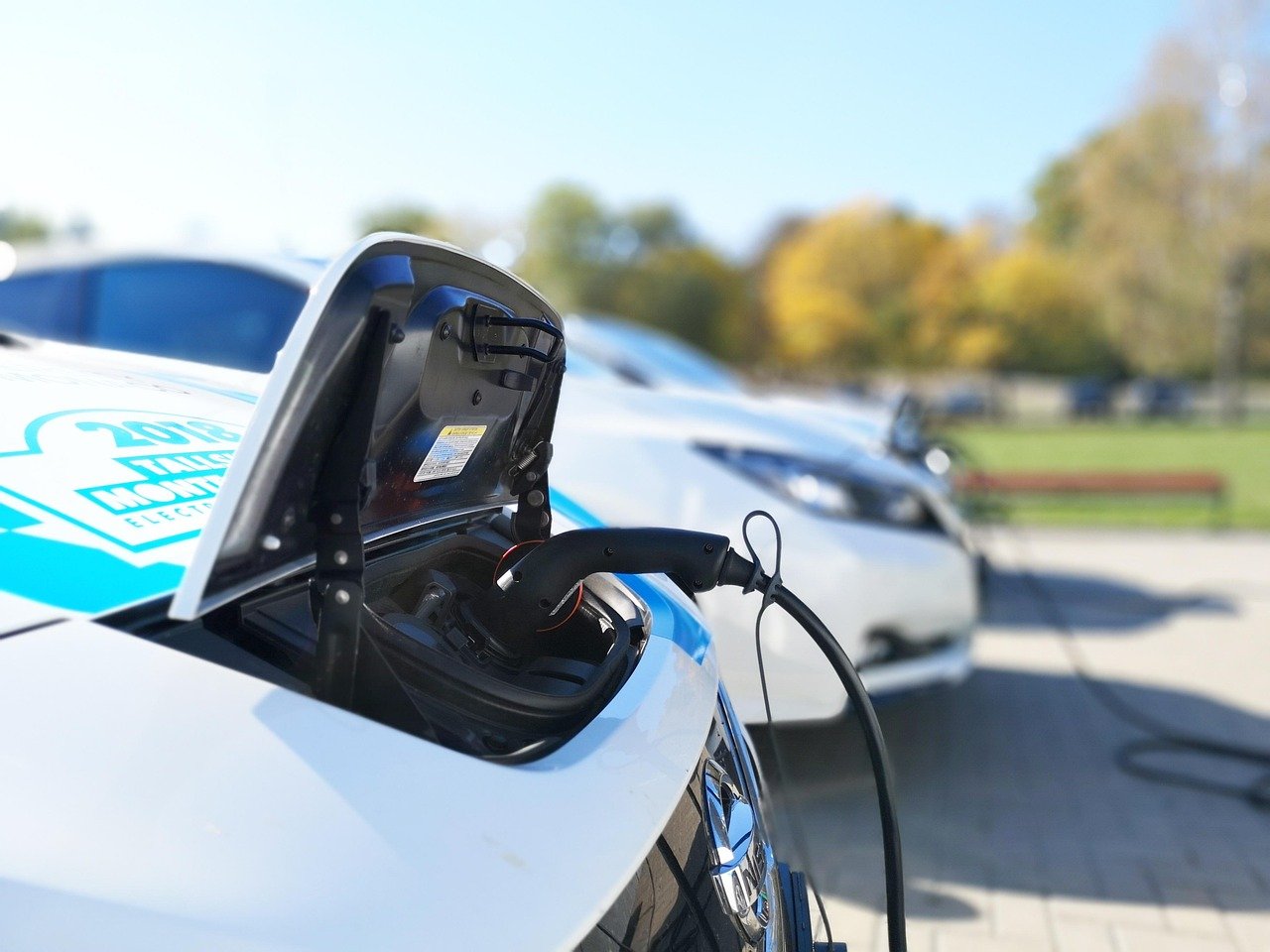

Switching to an electric vehicle is exciting, but it comes with new habits to learn. Keeping your car’s battery healthy and ensuring safety while charging is simple if you follow a few key rules. Whether you’re plugging in at home or using a public station, these five essential precautions will help you charge confidently and protect your investment.
1. Use the Right Charger for Your Needs
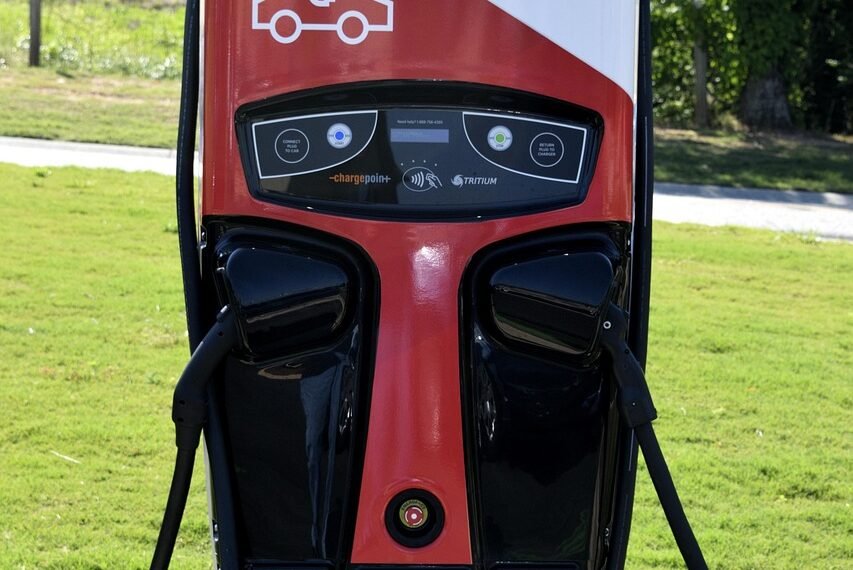
Not all chargers are the same. For daily use, your home’s standard wall charger (Level 1) or a dedicated home charging station (Level 2) is your best bet. These provide a steady, gentle charge that is best for long – term battery health. While public fast chargers (DC Fast Charging) are great for quick top – ups on road trips, using them too frequently can generate extra heat and stress the battery over time. Think of fast charging like an occasional sprint and home charging like a daily, healthy walk.
2. Stop Charging at 80% for Daily Use
One of the smartest habits you can adopt is to stop your charge at round 80% for everyday driving. Modern EVs have systems to prevent overcharging, but regularly charging to 100% can add unnecessary stress to the battery cells, potentially reducing their lifespan. You can usually set this limit in your car’s settings or charging app. Save charging to 100% for when you’re preparing for a long journey and need the maximum range.
3. Always Use Certified, Undamaged Equipment
Safety starts with your equipment. Always use the charging table that came with your car or purchase a high – quality, certified replacement from a trusted brand. Before each use, give the cable and plug a quick visual check. Look for any cracks, fraying, bent pins, or burn marks. Never use a damaged cable, as it can be a serious fire hazard. If your equipment gets damaged, replace it immediatedly.
4. Charge in a Safe, Dry Location
Be mindful of where you plug in. Always charge in a dry, well – ventilated area. Avoid charging in direct rain or standing water. At home, ensure your outdoor outlet is properly rated and protected. Good ventilation is important because the charging process can generate a small amount of heat. Never run the charging cable under a rug or through a doorway where it could be pinched or become a tripping hazard.
5. Learn Your Car’s Features and Schedule Smartly
Take some time to understand your EV’s specific features. Most allow you to schedule charging for times when electricity rates are lower (like overnight). This saves money and is convenient. Also, follow the manufacture’s recommended maintenance schedule to keep the charging system in top shape. Don’t believe common myths – modern EVs are designed to handle charging in most weather conditions when proper equipment is used.
By following these five simple rules, you can ensure that charging your electric vehicle is safe, efficient, and kind to your battery, giving you peace of mind for years of driving.

 By
By