

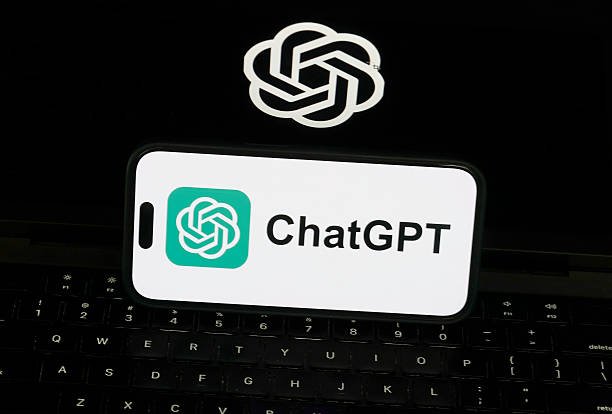
OpenAI is quietly working on a game-changing feature that may soon let users log in to third-party apps using their ChatGPT credentials. The AI company recently published a developer interest form, signaling its plans to expand beyond conversational AI into the competitive world of digital identity. With ChatGPT now boasting nearly 600 million monthly active users, this move could position OpenAI as a serious competitor to tech giants like Google, Apple and Microsoft in the single sign-on space.
The potential “Sign in with ChatGPT” feature recently got its first real-world test on OpenAI’s Codex CLI, the company’s terminal-based coding tool. During this limited preview, developers could link their ChatGPT accounts to access API services, with OpenAI offering financial incentives ranging from $5 to $50 in API credits depending on subscription tires. This trial run suggests OpenAI is serious about transforming ChatGPT from just an AI chatbot into a comprehensive digital identity platform.
What makes this development particularly interesting is OpenAI’s apparent ambition to cater to businesses of all sizes. The company’s survey asks developers to specify their app’s user base – from small startups with under 1,000 weekly users to massive platforms with over 100 million users. This board approach indicates OpenAI wants to build an ecosystem that works equally well for niche apps and mainstream services alike. The survey also probes how companies currently monetize AI features and whether they’re existing OpenAI API customers, hinting at potential integration benefits.
This expansion into digital identity has been on OpenAI’s radar for some time. CEO Sam Altman first floated the idea of a “sign in with OpenAI” feature back in 2023, though the company appears to have accelerated its plans since then. While there’s no official timeline for when regular ChatGPT users might see this feature roll out, the current developer outreach suggests OpenAI is moving beyond the exploration phase into active developments.
For everyday users, this could mean eventually having one less password to remember when accessing various online services. For developers, it presents an opportunity to tap into ChatGPT’s massive user base while potentially gaining access to OpenAI’s AI capabilities. As the digital identity space becomes increasingly crowded, OpenAI’s unique position as both an AI leader and now a potential identity provider could shake up how we think about online authentication.

 By
By