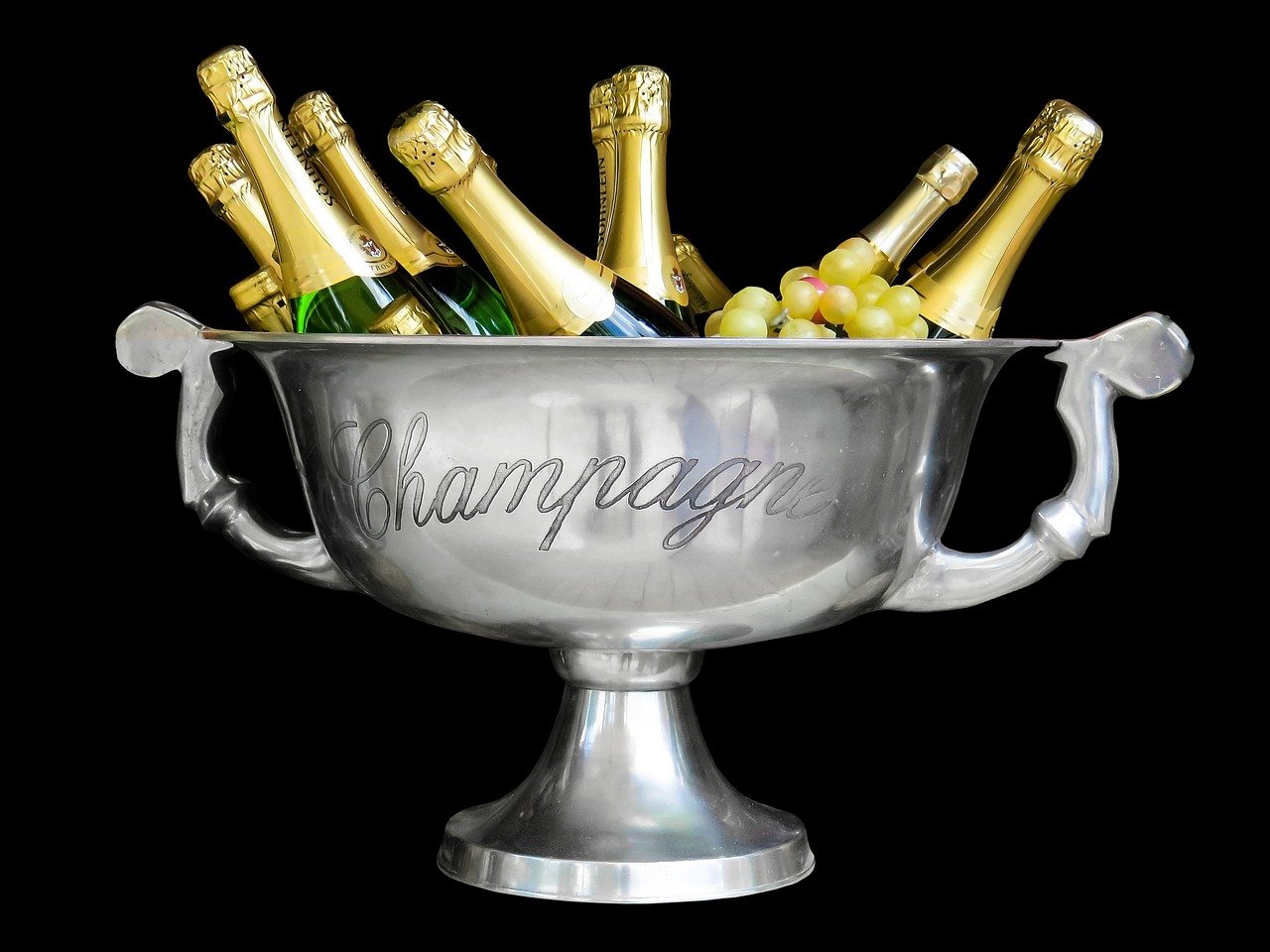

Pop, fizz, celebrate. The word “Champagne” is synonymous with luxury and special occasions. But its meaning goes much deeper than just being a type of sparkling wine. The name itself is a promise of origin, tradition, and a specific craft protected by law. So, where does this famous name really come from?
It’s All About the Place: The Champagne Region of France
Contrary to what many think, “Champagne” is not a flavor or a grape. It is a geographical name. Authentic Champagne comes exclusively from the Champagne region of northeastern France. This is a legally protected designation, much like a copyright for a place.
French law (known as Appellation d’Origine Contrôlée or AOC) states that only sparkling wine produced within this specific region, using strictly regulated methods, can bear the name “Champagne” on the label. This rule protects the integrity and reputation of the wine made there.
Why This Specific Region is So Special
The Champagne region is not randomly chosen. Its unique environment, called terroir, is what makes the wine possible. The area has a cool climate and soil rich in limestone and chalk. This combination is crucial:
- It allows grapes to ripen slowly, developing complex flavors while retaining a crisp, refreshing acidity.
- The chalky soil provides excellent drainage and reflects sunlight, aiding the growth of the grapes. This specific blend of climate and earth cannot be replicated elsewhere, which is why true Champagne has a distinctive taste.
The Grapes Behind the Bubbles
While the wine is often pale in color, it is frequently made from red grapes. Three primary varieties are used:
1. Chardonnay: A white grape that adds freshness, lightness, and citrus notes.
2. Pinot Noir: A red grape that provides structure, body, and depth of flavor.
3. Pinot Meunier: Another red grape that contribute softness, fruitiness, and approachability. Winemakers blend these grapes in different proportions to create various styles, from crisp and mineral to rich and toasty.
Champagne vs. Sparkling Wine: Knowing the Difference
This is the key takeaway. All Champagne is sparkling wine, but not all sparkling wine is Champagne.
- Champagne is the sparkling wine from that one specific region in France.
- Sparkling Wine is the broad category for bubbly wine made anywhere else in the world – like Prosecco from Italy, Cava from Spain, or sparkling wines from the United States, Australia, or India.
These other wines can be delicious and celebratory in their own right, but they have their own names and identities. Calling them “Champagne” is incorrect and, in many places, illegal.
The name “Champagne” is a toast to a place and its centuries – old tradition. It represents a unique partnership between the land, the climate, and skilled craftsmanship. So, the next time you enjoy a glass, you’re not just tasting bubbles – you’re experiencing a sip of a specific French heritage.

 By
By