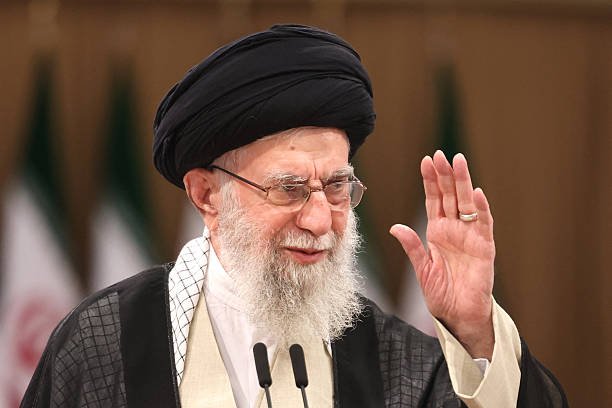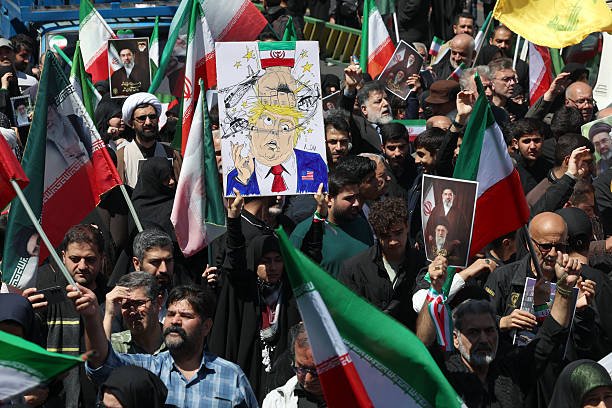
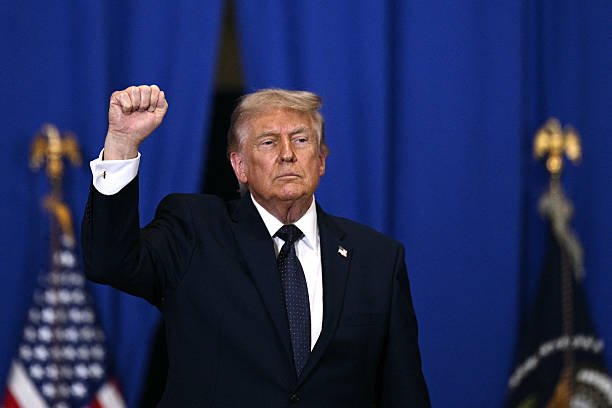

President Donald Trump may have won nearly every battle against Iran. But three months after attacking the Islamic Republic, a bigger question looms. Is he losing the war? Iran still controls the Strait of Hormuz. It still refuses nuclear concessions. Its theocratic government remains intact. Doubts are growing that Trump can turn US military successes into a clear geopolitical win.
A War Without a Clear Endgame
Trump campaigned for a second term promising no unnecessary military interventions. Instead, he has led the US into an entanglement that could damage his foreign policy record and credibility abroad. His repeated claims of “complete victory” ring hollow to some analysts. The two sides now teeter between uncertain diplomacy and on-again, off-again threats of resumed strikes.
One former Middle East negotiator said, “We’re three months in, and it’s looking like a war that was designed to be a short-term romp for Trump is turning into a long-term strategic failure.” Trump, known for his sensitivity to being seen as a loser, now finds himself pitted against a second-tier power that seems convinced it has the upper hand.
What Has Been Achieved
Trump’s stated goals were to close off Iran’s path to a nuclear weapon, end its ability to threaten the region, and help Iranians overthrow their rulers. None of these have been clearly achieved. Iran’s stockpile of highly enriched uranium remains buried but could be recovered and processed to bomb grade. Iran insists on its right to enrich uranium for peaceful purposes. Its supreme leader has reportedly issued a directive that near-weapons-grade uranium cannot be sent abroad.
Iran’s support for armed proxy groups also remains unchanged. Its leaders have matched Trump’s triumphalist claims with their own propaganda, depicting the US campaign as a “crushing defeat.”
Domestic Pressure on Trump
Trump faces growing pressure at home. Gas prices are high. His approval ratings are low after an unpopular war. Midterm elections are approaching. His Republican Party is struggling to maintain control of Congress. While his political base has stood by him, cracks have appeared in his once-unanimous backing from Republican lawmakers.
A White House spokeswoman said the US has “met or surpassed all of our military objectives.” She added that Trump “holds all the cards and wisely keeps all options on the table.” But some analysts believe Trump faces a stark choice: accept a flawed deal as an off-ramp or escalate militarily and risk an even longer crisis.
A Grim Post-War Outlook
Some experts predict a grim outcome. Iran, though battered militarily and economically, may end up with greater leverage. It has shown it can throttle one-fifth of the world’s oil and gas supplies. One analyst said Iran’s leaders consider it a success simply to have survived the US assault and to have learned how much control they can exert over Gulf shipping.
Trump is also dealing with fallout from traditional European allies, who have refused his calls for assistance in a war they were not consulted about. China and Russia have drawn lessons about US military shortcomings and depleted weapons supplies.
One commentator argued that the outcome could be even more damaging to US standing than the withdrawals from Vietnam and Afghanistan. He wrote, “There will be no return to the status quo ante, no ultimate American triumph that will undo or overcome the harm done.”
Three months into the war, Trump has won battles but not the peace. Iran remains defiant. The strait is closed. The nuclear issue is unresolved. Domestic pressure is mounting. Allies are distant. Adversaries are learning. The short-term romp is looking more and more like a long-term failure. Whether Trump can find a face-saving exit remains to be seen.

 By
By