
The tragic Jeju Air crash has led South Korea to take immediate action to enhance airport safety. The government has announced that all airports across the country will soon be equipped with advanced bird detection cameras and radars to prevent future aviation disasters.
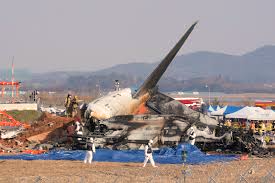
On December 29, a Boeing 737-800 carrying 181 passengers and crew crashed at Muan Airport in South Korea. The aircraft, flying from Thailand to Muan, belly-landed and exploded after hitting a concrete barrier. Sadly, 179 people lost their lives in what became one of the deadliest aviation accidents in South Korean history.
Investigations revealed that bird strikes may have played a significant role in the crash. Before the accident, the pilot reported a bird strike and aborted the first landing attempt. However, during the second attempt, the landing gear failed to deploy, leading to the catastrophic crash.
Bird Detection Systems to Be Installed at Airports
In response to the tragedy, South Korean authorities have launched a nationwide safety inspection of all airports. The Ministry of Land has confirmed that every airport will soon be equipped with at least one thermal imaging camera to detect birds near runways.
Additionally, bird detection radars will be installed to monitor birds’ size, movement patterns, and distance from aircraft. This real-time data will be relayed to air traffic controllers, who will then alert pilots to take precautionary measures.
More Measures to Prevent Bird Strikes
To further reduce the risk of bird-related accidents, authorities will introduce:
- Mobile sonic devices to deter large and medium-sized birds.
- New regulations to relocate bird-attracting facilities like food waste treatment centers and orchards away from airports.
- Stricter distance restrictions on new constructions near airports that could increase bird activity
The crash investigation has been complicated by a major setback: the black boxes stopped recording four minutes before the accident. With flight data and cockpit voice records missing, authorities are still working to determine the exact cause of the crash.
Despite this challenge, officials remain committed to strengthening aviation safety and preventing future accidents through advanced technology and stricter regulations.
This tragic event has forced South Korea to rethink airport safety and implement proactive measures to protect passengers and crew. With bird detection cameras, radars, and new regulations, the country is taking a big step toward preventing similar disasters in the future.
As aviation technology continues to evolve, safety must always be the top priority. These new upgrades will ensure that airports across South Korea are better prepared to handle unexpected challenges and keep air travel as safe as possible.


 By
By