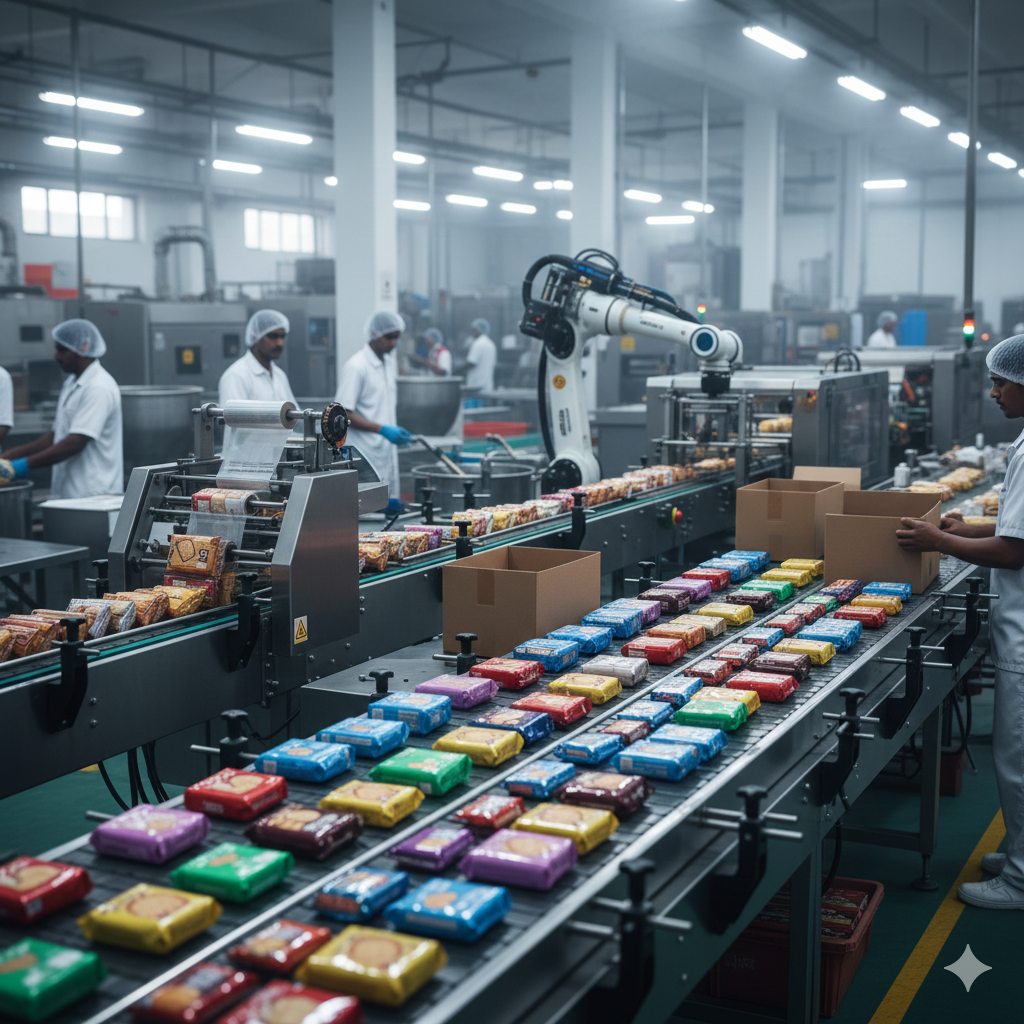

In a world of automated factories, there’s something special about a handmade treat. Yet, rising costs and tough competition are forcing food makers to make a choice. Should they use new technology or keep their old-fashioned methods? The food industry is finding a middle path. They are using machines for big tasks but keeping the human touch for quality.
The Human Touch in a Modern Factory
Think of a famous caramel wafer made in Scotland. Tradition is key here. Workers make about 20 tonnes of caramel every day. They check its quality by looking and touching it. Spreading this sticky caramel onto wafers is done by a team of 12 people. It is a difficult job that still needs human skill.
Most of the factory uses machines to work faster. But some steps need people. Human workers can adapt and be precise in ways machines cannot. For a smaller company, this mix of machine speed and human skill is important. It helps them keep their unique taste while competing with bigger brands.
New Robots for the Food Industry
Robotics companies are creating machines for food jobs. Some robots can now decorate cakes and handle toppings like caramel. But putting robots in a kitchen is hard.
First, robots must be very clean. They need to be easy to take apart and wash. Second, food is not always the same. Cakes can be slightly different shapes and sizes. New robots use cameras and smart software to “see” these differences. They can then adjust their movements. This lets them work safely next to people.
Why People Are Still Needed
Even in large bakeries, people are essential. At one bakery that makes thousands of sourdough loaves daily, machines mix the dough. But shaping the dough into loaves is done by bakers. It takes a gentle touch learned over years. Too much pressure can ruin the bread.
Bakers also watch the process. They can make quick changes if something is wrong. This flexibility and care are things machines do not have. People ensure the final product has the right taste and texture that customers love.
The Path Forward: People and Machines Working Together
Experts say the best system is a hybrid one. Use machines for jobs that need speed and repetition. Use people for tasks that need judgement, skill, and care.
For many food companies, buying new technology is a big decision. Costs of ingredients like cocoa can change quickly. Investing in machines must make financial sense.
The goal is not to replace bakers. It is to give them better tools. This way, companies can make more food without losing quality. The comforting taste of a favourite biscuit or fresh bread can stay the same, even as the kitchen changes.


 By
By