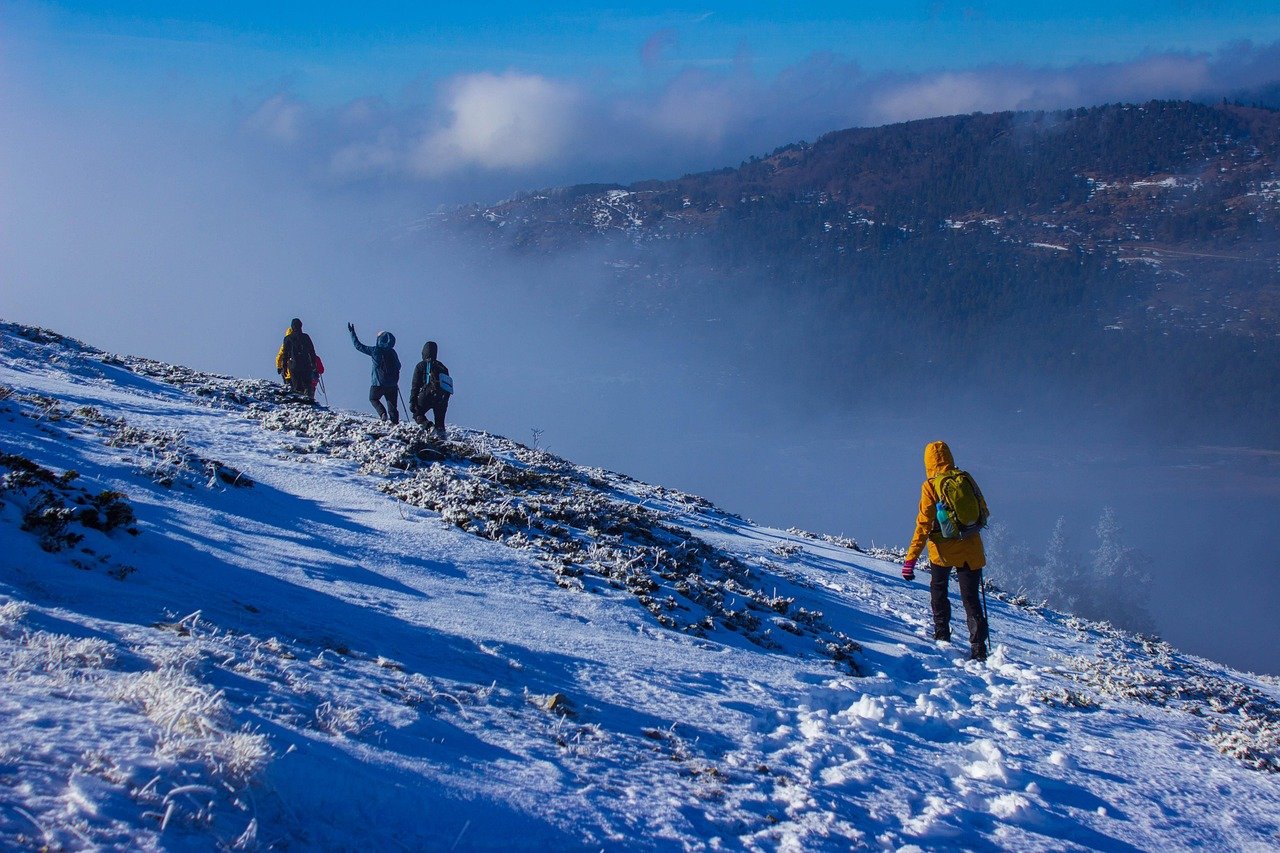

While trekking promises breathtaking views and unforgettable adventures, first-timers often underestimate its challenges. Unlike movie portrayals, real hiking requires careful preparation, proper gear, and smart decision-making. Whether you’re planning a mountain climb or forest trail, these essential tips will help beginners avoid common pitfalls while maximizing enjoyment.
1. Health Comes First
Before hitting the trails, schedule a medical checkup – especially for high-altitude treks. Undiagnosed conditions like asthma or heart issues can become dangerous in remote areas. A simple doctor’s visit could prevent emergencies miles away from help.
2. Research Your Route Thoroughly
Study maps, whether patterns, and terrain difficulty in advance. Note emergency contacts, water sources, and nearby shelters. Understanding local wildlife and cultural norms also ensures respectful and safe passage through different regions.
3. Invest in a Quality Backpack
A waterproof backpack protects essentials from rain and spills. If yours isn’t water-resistant, pack items in sealed plastic bags. Prioritize durability and adjustable straps for comfort during long hikes.
4. Pack Light, Pack Right
Overpacking is a beginner’s biggest mistake. Stick to essentials:
- Water (2–3 liters)
- High-energy snacks (nuts, energy bars)
- First-aid kit
- Weather-appropriate clothing
Extra weight slows you down and drains stamina faster.
5. Hydration & Nutrition Are Key
Dehydration and fatigue sneak up quickly. Carry electrolyte sachets to replenish minerals lost through sweating. Nibble on dried fruits or granola bars hourly to maintain energy levels.
6. Never Hike Alone as a Beginner
Even experienced trekkers avoid solo journeys. Groups provide safety, shared resources, and collective problem-solving. Join guided tours or hike with seasoned friends to navigate unexpected challenges.
7. Footwear Makes or Breaks Your Trek
Regular sneakers won’t cut it on rocky or wet trails. Choose sturdy hiking shoes with ankle support and deep treads. Break them in before your trip to avoid blisters.
8. Pace Yourself with Breaks
Push too hard, and you’ll burn out early. Pause every hour for 10 minutes to rest, hydrate, and soak in the scenery. These breaks prevent exhaustion and let you appreciate nature’s beauty.
Trekking rewards preparation. By following these tips, beginners transform a potentially grueling experience into an empowering adventure.


 By
By