
A quiet revolution is shifting gears on Britain’s roads. For decades, learning to drive meant mastering the clutch and gearstick. But new data reveals a dramatic change, with more learners than ever before opting for automatic cars, signaling a potential end of the road for the traditional manual driving test.
The Shift in Driving Test Trends
Recent figures from the Driver and Vehicle Standards Agency (DVSA) highlight a massive trend. In the last recorded period, over 470,000 driving tests—a staggering 26% of all tests in Great Britain—were taken in automatic cars. This is a huge jump from just a decade ago when automatics accounted for a mere 6% of tests.
This surge is being driven by the UK’s move towards electric vehicles (EVs). With the 2030 ban on new petrol and diesel car sales, EVs—which are exclusively automatic—are becoming the future. Emma Bush of the AA Driving School notes that for many new drivers, learning manual skills is becoming “irrelevant” as they become “confident with the idea of their driving future being electric.”
Why Learners Are Choosing Automatics
The move towards automatic tests isn’t just about future-proofing. Learners and instructors point to several key benefits:
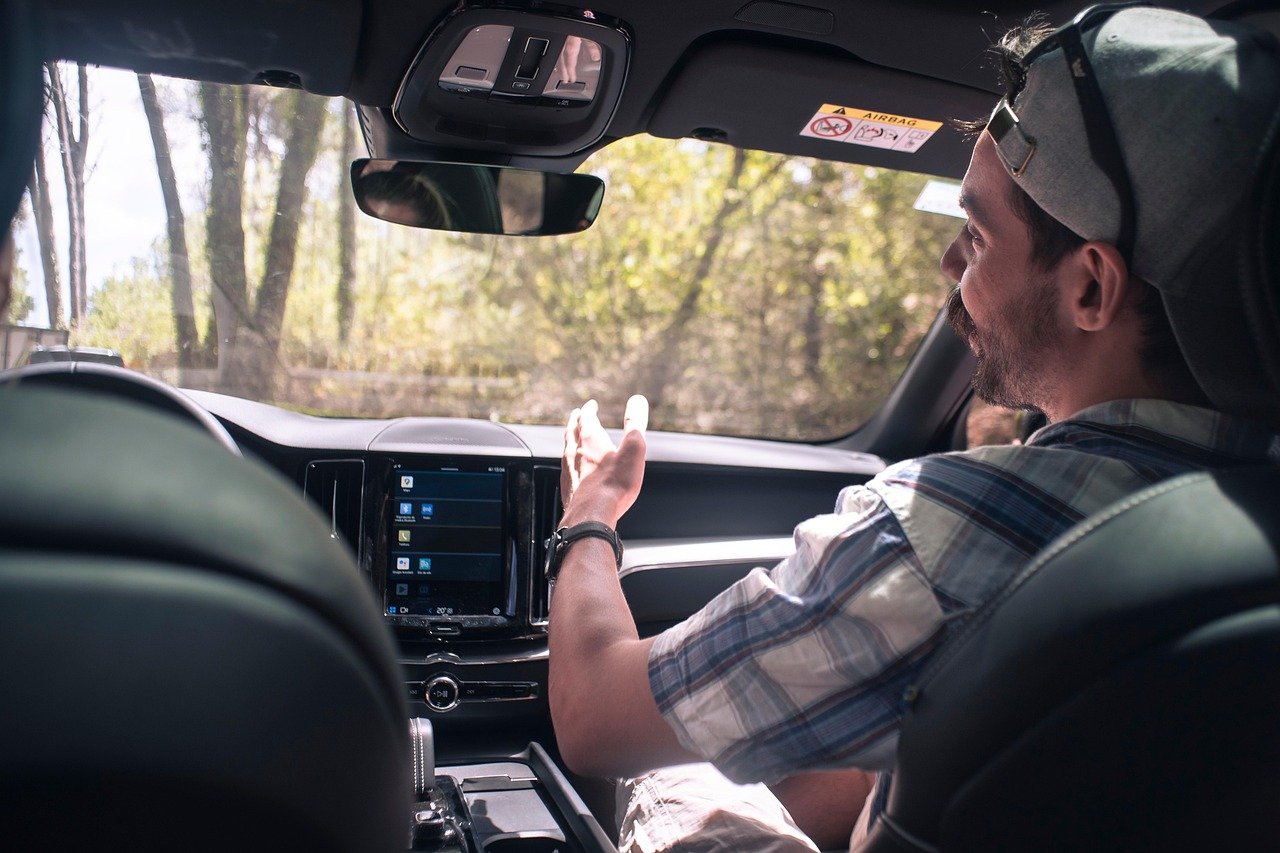
- Easier Learning Curve: Driving an automatic is simpler. There’s no clutch to manage or gears to change, allowing learners to focus more on road safety, mirrors, and awareness.
- Reduced Test Nerves: The fear of stalling the engine during a test is a major source of anxiety for many. Automatics eliminate this risk, making for a calmer and often more confident test experience.
- Lower Running Costs: While the upfront cost of an EV can be higher, drivers save significantly on fuel and maintenance, as electric motors and automatic gearboxes have fewer moving parts to service or replace.
Driving instructor Sue Howe calls automatics “the way forward,” adding that they make driving less tiring and allow drivers to concentrate better, which is great for overall road safety.
The Data Behind the Change
The numbers tell a compelling story of change:
- 2012/13: 87,844 automatic tests (6.12% of all tests)
- 2024/25: 479,556 automatic tests (26% of all tests)
The AA predicts this trend will continue, forecasting that nearly 29% of all tests next year will be in automatics. Interestingly, the data also shows that more men are now choosing automatic tests, with the figure rising from 23% to 39% over the past decade.
What Does This Mean for New Drivers?
It’s crucial for learners to understand the difference in licences. Passing your test in an automatic car grants you a Category B Auto licence, which restricts you to driving automatic transmission vehicles only. To be licensed to drive a manual car, you must pass your test in one.
Conclusion: The Road Ahead
The road is clearly leading towards an electric, automatic future. As the 2030 deadline approaches, this trend is only set to accelerate. The gearstick, once a central icon of learning to drive, is likely to become a nostalgic relic for future generations. The question is no longer if manual driving will fade, but how quickly.


 By
By