
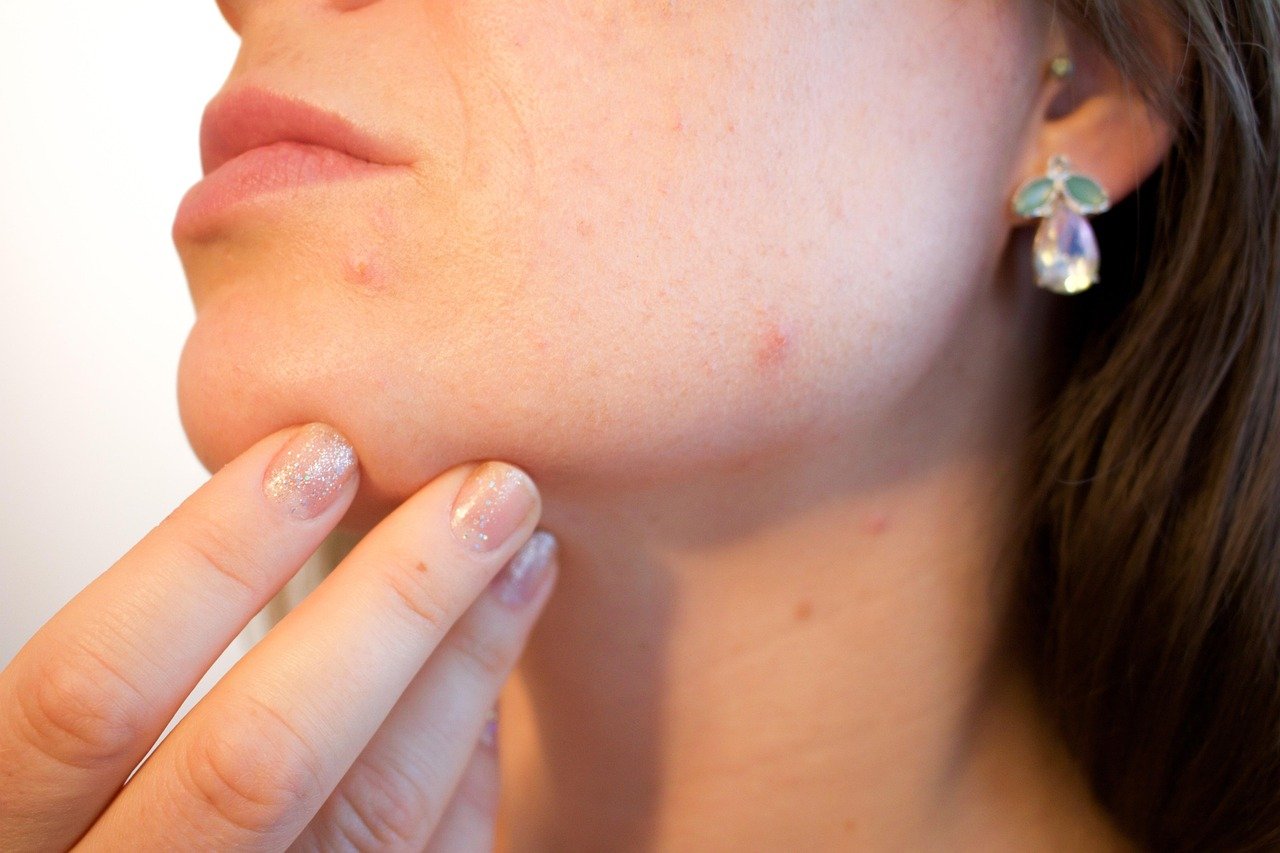

If you often get breakouts around your chin; jawline, or lower face, especially before your period or during hormonal changes, you might be dealing with hormonal acne. These breakouts are mainly triggered by fluctuations in hormones like androgens, which increase oil (sebum) production in your skin. When your skin produces too much oil, pores get clogged more easily, leading to blackheads, whiteheads, and painful pimples.
However, hormones aren’t the only factor. The condition of your skin barrier, genetics, and even the local bacteria on your skin can affect how severe your acne becomes. Poor skincare habits can make things worse by weakening your skin barrier, trapping oil and dirt, and increasing inflammation. If you use the wrong skincare products or over-cleanse, you may unknowingly trigger more breakouts.
Here are ten skincare mistakes that can worsen hormonal acne and tips to help you avoid them.
1. Using Heavy, Oil-Based Creams
Applying thick, oil-rich creams such as coconut oil or cocoa butter can clog pores and trap sebum, worsening breakouts. Instead, choose lightweight, non-comedogenic moisturizers that are water-based. Always look for “non-comedogenic” on the label and patch-test new products before using them regularly.
2. Over-Washing Your Face
Cleansing too often or using harsh soaps can strip away natural oils, damaging your skin barrier. When this happens, your skin tries to compensate by producing even more oil, which can cause new pimples. Use a gentle cleanser once in the morning and once at night, especially after wearing makeup or sunscreen.
3. Exfoliating Too Frequently
Scrubbing your face too hard or using strong exfoliants every day can irritate your skin and make breakouts worse. Limit exfoliation to one to three times a week, depending on your skin type. Avoid scrubbing during active breakouts and focus on repairing your skin barrier first.
4. Mixing Too Many Active Ingredients
Using several strong ingredients like retinoids, benzoyl peroxide, vitamin C, and acids together can irritate your skin. This can lead to redness, dryness, and more pimples. Keep your routine simple—cleanser, treatment, moisturizer, and sunscreen. Introduce one new product at a time and wait four to six weeks to see how your skin reacts.
5. Relying Only on Spot Treatments
Applying harsh spot treatments only when a pimple appears can dry out your skin and cause irritation. Instead, maintain a consistent skincare routine with gentle, acne-fighting ingredients. Spot treatments should only be used occasionally, not as your main acne solution.
6. Skipping Moisturizer
Many people with oily or acne-prone skin avoid moisturizers, thinking they’ll make acne worse. But skipping moisturizer can actually trigger more oil production. Choose an oil-free, non-comedogenic moisturizer with ingredients like ceramides, niacinamide, or glycerin to keep your skin hydrated and balanced.
7. Sleeping with Makeup On
Leaving makeup on overnight or using thick, pore-clogging foundations can lead to more breakouts. Always remove your makeup before bed using a gentle cleanser or micellar water. Look for makeup labeled “non-comedogenic” or “for acne-prone skin.”
8. Picking or Popping Pimples
Squeezing pimples may feel satisfying, but it spreads bacteria and causes scarring. Deep hormonal acne lesions are especially prone to inflammation and scarring when popped. Instead, apply an acne treatment or visit a dermatologist for professional care if the pimples are painful.
9. Avoiding Sunscreen
Skipping sunscreen because it feels greasy can make your acne worse. Sun exposure can darken acne scars and make post-acne marks more noticeable. Use a lightweight, oil-free sunscreen made for acne-prone skin to protect your skin from UV damage and discoloration.
10. Ignoring Consistent Skincare
Hormonal breakouts aren’t caused by poor hygiene. They’re the result of hormonal changes combined with how your skin reacts to oil and bacteria. The key is to follow a simple, consistent skincare routine that supports your skin barrier, controls oil, and prevents pore clogging. Over time, this approach will reduce breakouts and make medical treatments more effective.


 By
By