
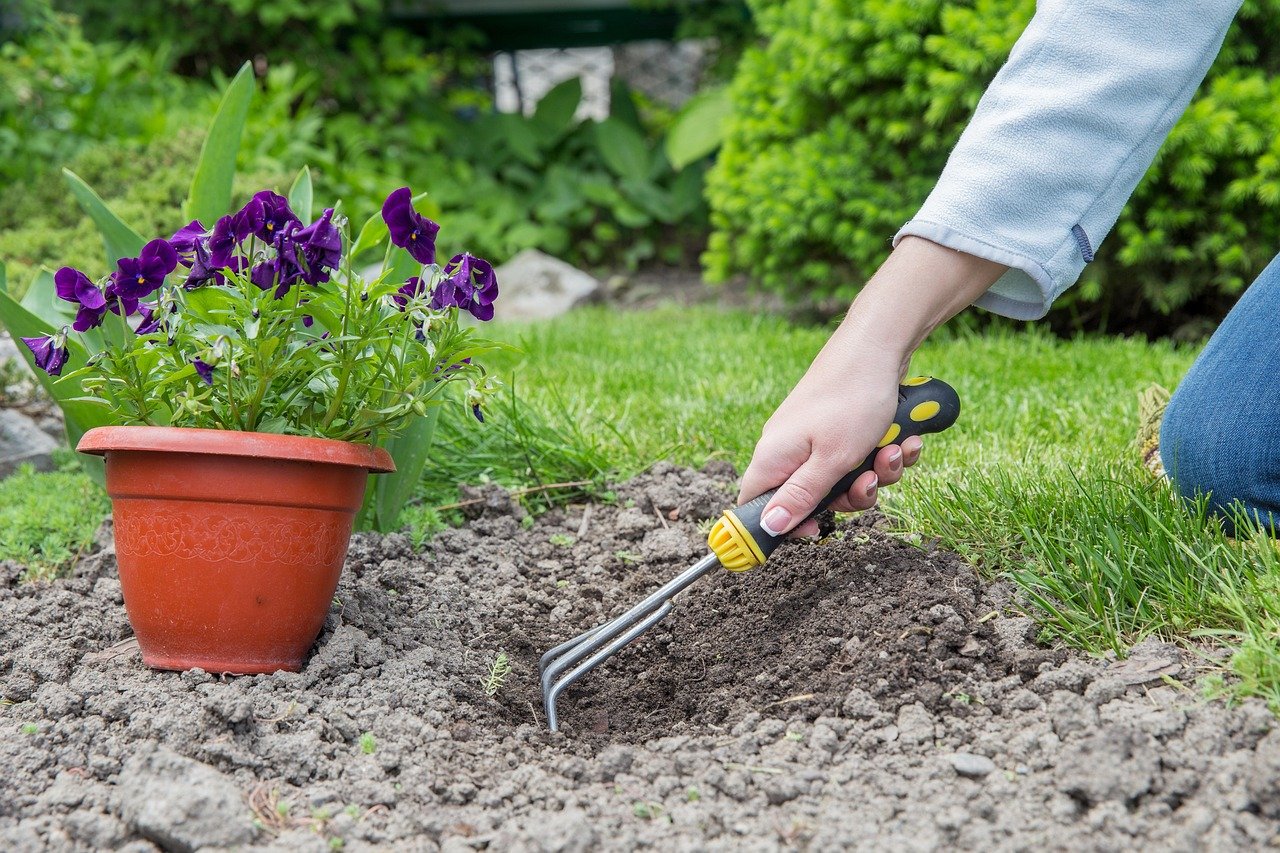

Gardening is more than just a hobby – it’s a powerful tool for boosting brain health and extending a vibrant life. Recent studies reveal that working with soil, plants and nature can sharpen cognitive function, delay dementia, and even enhance overall well-being. For aging adults and dementia patients, therapeutic gardening programs, like Norway’s “care farms”, are proving to be life-changing.
The connection between gardening and mental agility is backed by science. Researchers at the University of Edinburgh found that people who gardened regularly showed greater improvements in cognitive ability over their lifetime compared to those who didn’t. This supports the “use it or lose it” principle – keeping the brain active through tasks like problem-solving in the garden helps maintain mental sharpness.

One key reason gardening benefits the brain is its impact on essential proteins. Gardeners experience increased levels of brain-derived neurotrophic factor (BDNF), which supports neuron growth, and vascular endothelial growth factor (VEGF), linked to better cognitive function. A study from the University of New South Wales even found that daily gardening lowers dementia risk by 36%.
Beyond brain health, gardening reduces stress, improves focus, and strengthens physical health. Studies show that spending time in nature lowers blood pressure and cortisol levels, while the physical act of gardening enhances heart health, bone density, and muscle strength. For seniors, it also improves mobility and reduces reliance on medications.
For dementia patients, the benefits are even more profound. Care farms, where individuals engage in gardening and farm activities, provide a sense of purpose and social connection. As one caregiver notes, “They may not remember every details, but they remember the joy of being outdoors”. This simple yet profound happiness can improve mood, communication and daily functioning.

Nature’s healing power isn’t just psychological – it’s evolutionary. Experts believe humans are wired to recover faster in natural environments, which explains why even small doses of nature – like listening to birds or smelling flowers – boost well-being.
Whether you are looking to protect your mind, stay active, or simply find joys in nurturing life, gardening offers a natural path to longevity. From preventing cognitive decline to fostering happiness, it’s a timeless practice that keeps both body and mind thriving.


 By
By