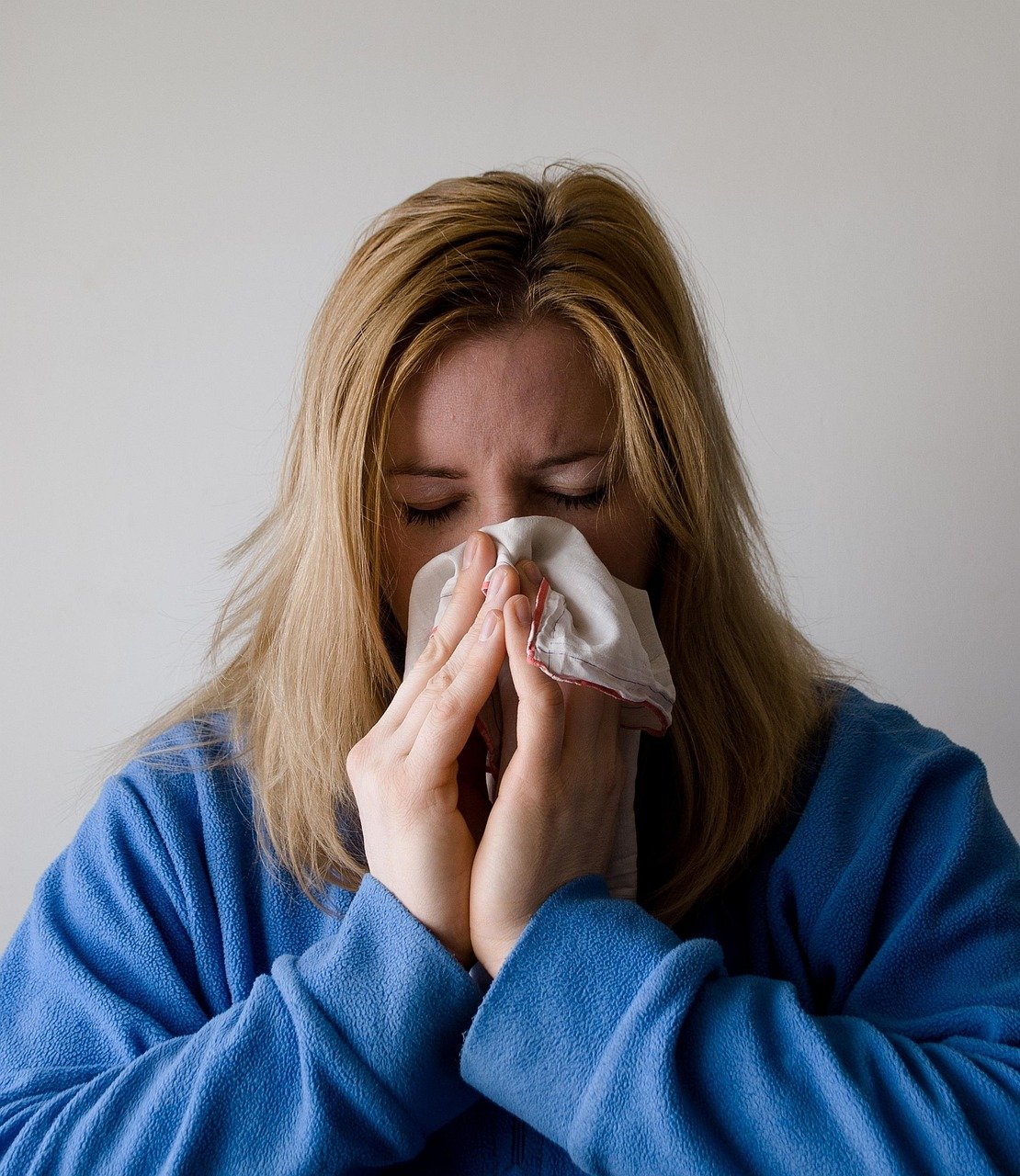

Feeling feverish or tired with a sore throat or cough? You’re not alone. Many people are currently dealing with flu-like symptoms, and it can be tough to tell if it’s just the seasonal flu or a Covid-19 infection. With similar signs like runny nose, fatigue, headache, and body aches, understanding the difference is key to proper care and safety.
In recent days, India has seen a slight rise in flu-like illnesses while the number of active Covid-19 cases has dropped to around 6,800. The country is currently seeing circulation of Omicron sub-variants like LF.7, XFG, JN.1, and NB.1.8.1. These newer variants mostly cause mild to moderate upper respiratory symptoms such as fever, cough, sore throat, loss of appetite, fatigue, and body pain. Experts have noted that while these variants aren’t usually severe, people should still take precautions.
One reason for the flu-like symptoms is the ongoing heatwave across many parts of the country. With people turning to cold drinks and chilled foods, it’s not surprising to see more cases of coughs, sore throats, and colds. But when symptoms appear, it’s important to figure out if it’s just a common flu or something more serious like Covid.
To help you understand the difference:
- Fever, body aches, fatigue, and cough are common in both flu and Covid.
- In Covid, symptoms like loss of smell and taste, shortness of breath, extreme tiredness, nasal congestion, and even stomach issues like diarrhea may also appear.
- Flu symptoms usually show up in 1 to 4 days after exposure, while Covid can take 2 to 14 days.
- Fatigue in Covid tends to be stronger and may last longer than in the flu.
- Both illnesses can cause breathing problems, but Covid is more likely to lead to serious illness in older adults or people with pre-existing health problems.
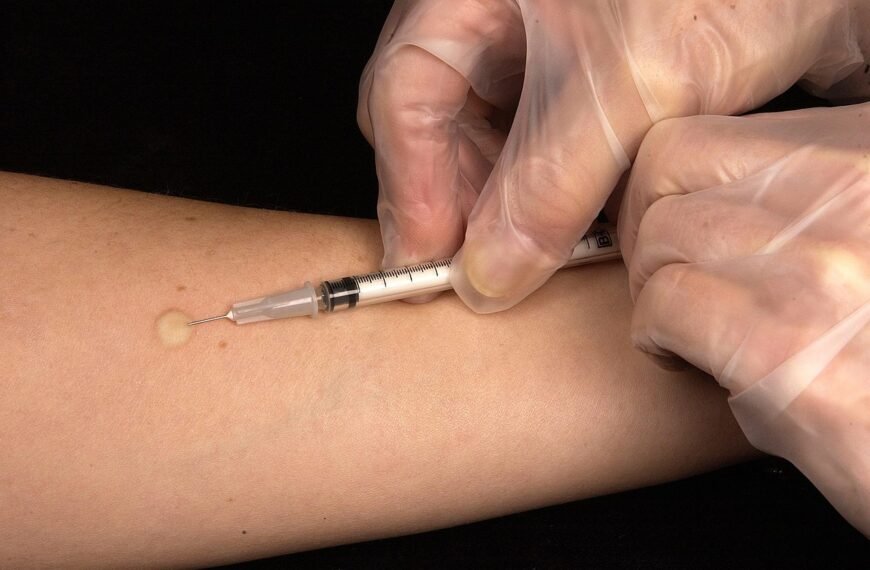
Vaccination, hand washing, wearing a mask, and keeping some distance in crowded places are still important steps to avoid infection. If you feel unwell, the best thing to do is stay home, avoid contact with others, and check with a doctor to see if you need testing or treatment.
Staying aware of symptoms and taking early steps can protect you and those around you. Whether it’s the flu or Covid, a little care goes a long way.


 By
By