
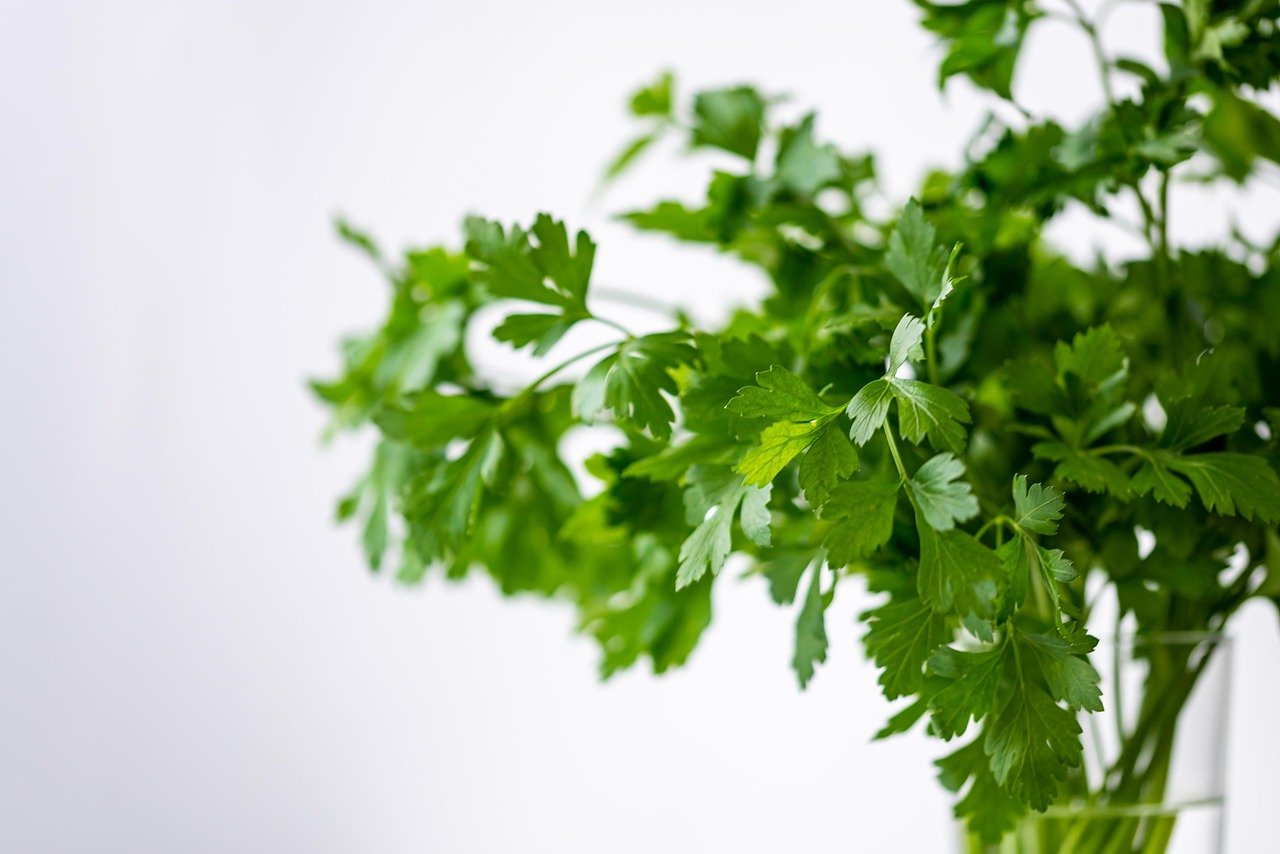

Coriander is one of the most loved herbs in cooking. Its fresh aroma and green color can instantly make any dish more delicious. Whether you add it to soups, curries, salads, or sauces, coriander gives a refreshing touch to every meal. But before you enjoy its flavor, you need to make sure it’s properly cleaned.
Many people skip this step, but coriander leaves can carry dirt, dust, insects, and even pesticides. If not cleaned properly, they may cause stomach problems or food contamination. Here’s how you can clean coriander the right way and enjoy it safely in your meals.
Why Cleaning Coriander is Important
Coriander grows close to the ground, so its leaves and stems easily collect soil and tiny bugs. Farmers often use fertilizers and sprays to protect the plants, which can leave harmful residues. Washing coriander carefully helps remove all this dirt and chemicals.
It’s not only about hygiene – proper cleaning also helps preserve the freshness, color, and taste of the leaves. So, think of washing coriander as a simple part of your cooking routine that protects your health and keeps your food fresh.
Easy Steps to Clean Coriander Properly
Follow these simple steps to make your coriander clean and safe to eat.
1.Cut and separate the leaves
Trim off the roots and remove thick and muddy ends. Gently separate the bunch so that water can reach all parts of the leaves and stems.
2. Rinse under running water
Place the coriander under cool running water. Rub it lightly with your hands to remove visible dirt and dust.
3. Soak in water with salt or vinegar
Fill a bowl with clean water and add a spoon of salt or a little vinegar. Soak the leaves for about 10 minutes. This step helps remove hidden bacteria and pesticide residues.
4. Swirl and rinse again
Lift the coriander out of the water (don’t pour it out, as dirt settles at the bottom). Rinse the leaves again in fresh water to remove all impurities.
5. Dry before using or storing
Gently pat the leaves dry with a clean towel or use a salad spinner. Wet coriander spoils quickly, so let it air dry before storing it in the fridge.
Health Benefits of Coriander
Coriander isn’t just about taste – it’s full of nutrients. It contains vitamins A, C, and, K along with antioxidants that protect your body from harmful toxins. It also supports digestion and helps reduce bloating. Adding fresh coriander to your meals every day boosts your overall health while making food taste better.
When to Add Coriander to Your Dishes
The best time to add coriander depends on the dish you’re preparing.

- For curries or vegetables: Add it at the end, just before serving, to keep its aroma fresh.
- For soups or sauces: Add it while simmering and sprinkle more before serving.
- For dips and salads: Use raw coriander for a bright flavor and color.
This way, you can keep the taste and freshness of coriander without losing its natural scent.
Cleaning coriander might take a few extra minutes, but it’s worth the effort. It ensures you’re adding a safe and healthy herb to your food. Properly washed coriander keeps your meals tasty, fresh, and free from harmful residues. Next time you cook, take a moment to clean it right – your stomach and taste buds will thank you!.


 By
By