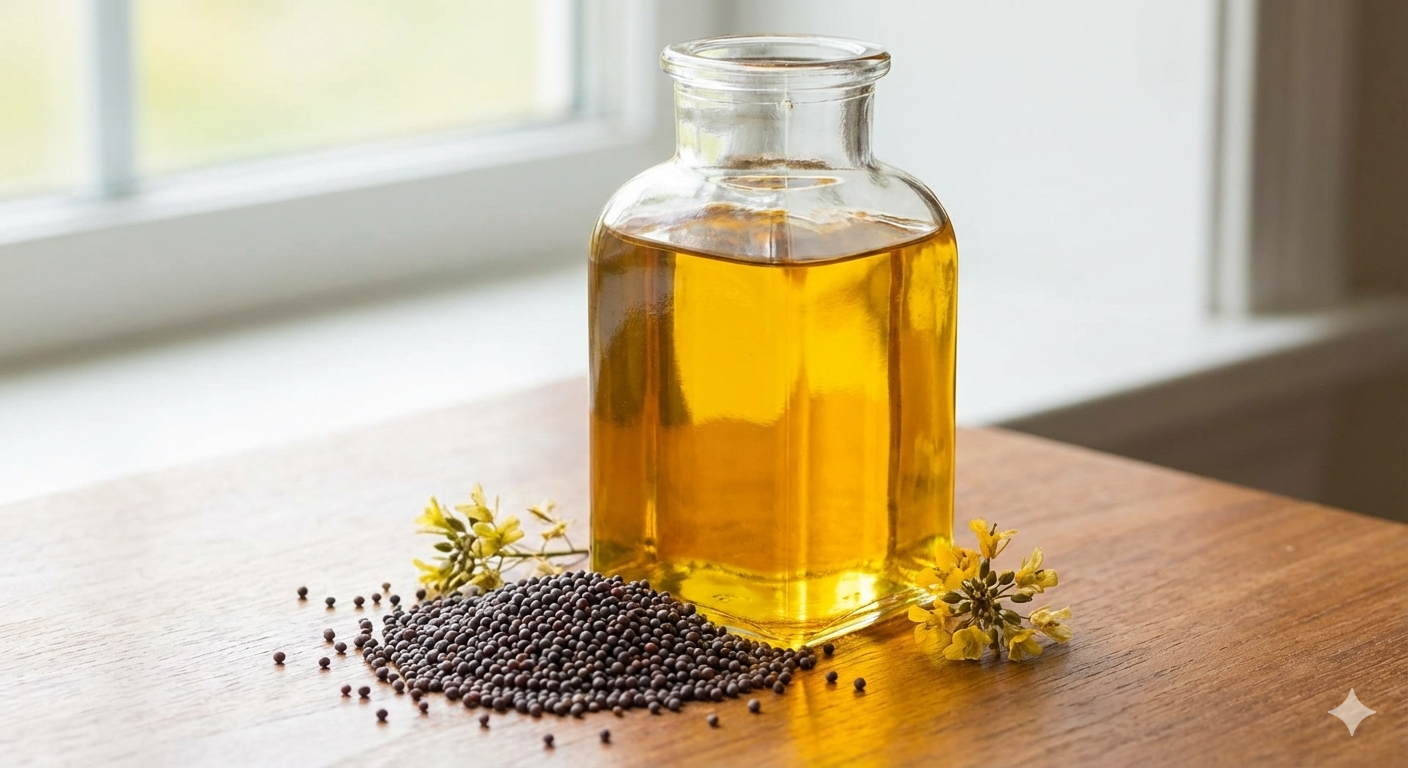

Mustard oil is a common ingredient in many households, known for its strong flavor. For years, there has been a debate about its effect on heart health. Some reports warn against it, while others praise its benefits. So, what’s the truth? Let’s explore the evidence for both sides to help you make an informed choice.
The Concern: Understanding Erucic Acid
The main worry about mustard oil comes from a substance it contains called erucic acid. Decades ago, studies on rats fed vary high amounts of erucic acid showed it could cause fat deposits in the heart muscle. Because of these early animal studies, some countries restricted mustard oil for cooking.
However, it’s important to know that human bodies process this acid differently than rodents do. There is no strong scientific proof that the moderate amounts used in cooking cause heart damage in people. Much of the fear is based on outdated research that doesn’t directly apply to humans.
The Benefits: Why It Might Be Good for Your Heart
Recent studies highlight several potential heart – healthy qualities of mustard oil:
- Good Eat Profile: Mustard oil is low in unhealthy saturated fats. It is rich in monounsaturated fats (MUFAs), the same kind found in olive oil, which are known to support heart health.
- Balances Cholesterol: The MUFAs in mustard oil may help lower “bad” LDL cholesterol and maintain “good” HDL cholesterol, reducing the risk of artery clogging.
- High Smoke Point: It has a high smoke point, meaning it remains stable at high temperatures without breaking down into harmful compounds. This makes it a safer choice for frying and sautéing compared to many other oils.
- Contains Omega-3s: It is one of the few cooking oils that provides Alpha-Linolenic Acid (ALA), a plant – based omega-3 fatty acid that fights inflammation.
Potential Side Effects and Precautions
While it has benefits, being mindful of a few points is wise:
1. Moderation is Crucial: As with any oil, consuming it in large, excessive amounts is not advisable. A balanced diet uses fats in moderation.
2. Choose Quality: Always purchase pure, high – quality mustard oil from reputable brands. Adulterated or poor – quality oil can pose health risks.
3. Individual Sensitivities: Some people with very sensitive skin might experience irritation if the oil is applied topically.
4. Pre – existing Conditions: Individuals with specific, severe heart conditions may choose to consult a professional or opt for oils specifically recommended for their dietary plan.
The Final Verdict: A Healthy Choice in Moderation
For most people, mustard oil can be a healthy part of a balanced diet when used correctly. The outdated fears largely stem from animal studies that don’t reflect human consumption. The key is to use it in moderation, as you would with any cooking fat.
A smart approach is to rotate your cooking oils. Using different oils like mustard oil, olive oil, and sunflower oil ensures you get a wide range of nutrients and fatty acids. By choosing pure, high – quality mustard oil and using it wisely, you can enjoy its unique flavor while supporting your heart health.

 By
By