
Walk into a modern social gathering, and you might notice a striking trend: many young adults are opting out of alcohol. Generation Z (those born roughly from the mid – 1990s to the early 2010s) is driving a significant cultural shift away from regular drinking. This isn’t about a temporary fad; data shows this generation consumes less alcohol than Millennials did at the same age. This change is reshaping social norms, influencing the beverage industry, and pointing toward a future where moderation and mindful consumption are central to social life.
The Key Reasons Behind the Shift
Gen Z’s relationship with alcohol is defined by intentional choice, driven by several powerful factors.
1. A Strong Focus on Health and Wellness
For many in Gen Z, alcohol is viewed through the lens of physical and mental well-being. They are acutely aware of the negative impacts, such as poor sleep, increased anxiety, and “hangxiety” (hangover-induced anxiety). Choosing not to drink is often a conscious decision aligned with fitness goals, mental clarity, and overall self-care.
2. The Rise of the “Sober Curious” Movement
The stigma around not drinking has faded. Movements like “sober curious” have become mainstream, encouraging people to explore their relationship with alcohol without committing to total abstinence. Social media amplifies this trend, making sober lifestyles visible, celebrated and socially acceptable.
3. Economic Realities and Practicality
With rising costs of living, student debt, and housing, many Gen Zers have less disposable income. A night out at a bar can be a significant expense. This economic pressure makes alcohol a lower priority, pushing young adults toward more affordable or alcohol – free social activities.
How Gen Z is Redefining Socializing
This generation isn’t just rejecting alcohol; they’re redefining what socializing looks like.
- Quality Over Quantity: Social events are less about heavy drinking and more about shared experiences – think brunches, game nights, wellness activities, or coffee meetups.
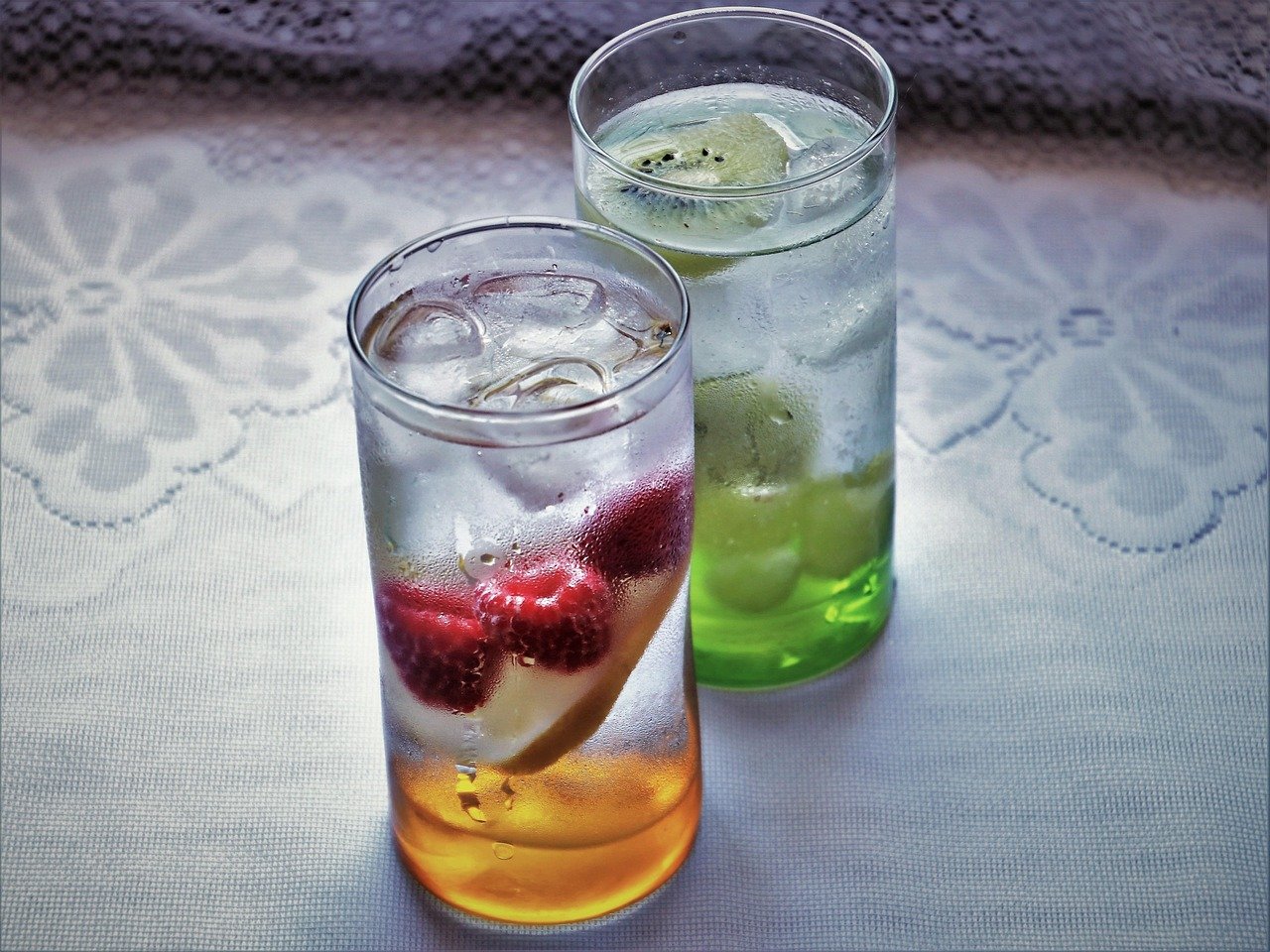
- The Demand for Better Options: When they do go out, they expect high quality non – alcoholic choices. Elaborate mocktails, premium alcohol – free beers, and sophisticated zero-proof spirits are now standard on menus, not an afterthought.
- Intentional Consumption: For those who do drink, it’s often more occasional and deliberate – perhaps a single cocktail at a special dinner rather than rounds of drinks all night.
What This Means for the Future
The choices of Gen Z are sending a clear signal to restaurants, bars, and beverages companies.
- The industry is adapting by creating innovative, delicious non – alcoholic products and designing venues that offer great experiences beyond just drinking.
- Social norms are changing, making it easier for everyone to choose what feels right for them without pressure.
- This shift could lead to significant long – term public health benefits, including lower rates alcohol – related illness.
In essence, Gen Z’s approach to alcohol is a reflection of broader values: mindfulness, authenticity, and well – being. They are not necessarily saying “No” to fun, but rather “Yes” to a more intentional and health – conscious way of living and connecting with others.

 By
By