

Social media id flooded with gut health trends, from morning chia seed water to bone broth and olive oil shots. These foods are often labeled as “miracle cures” for boosting energy, mood, and digestion. But how much of the hype is backed by science? Let’s look at the evidence behind some of the most popular viral gut foods to see what really works.
What is Gut Health, and Why Does It Matter?
Gut health refers to the well – being of your entire digestive system. It’s heavily influenced by your gut microbiome – the trillions of bacteria, viruses, and fungi living in your intestines. A balanced, diverse microbiome supports digestion, immunity, and even mental health. While a healthy gut is important, most people don’t need extreme measures to achieve it. Persistent symptoms like ongoing bloating, pain, or irregular bowel movements should be discussed with a healthcare professional.
The Reality Behind Popular Gut Health Foods
Let’s examine some of the most talked – about foods and whether they live up to their viral reputation.
Chia Seed Water
Chia seeds are rich in fiber, which can help feed good gut bacteria and support regularity. However, no single fiber source is a cure-all. A variety of plant – based fibers is more beneficial for microbiome diversity than relying on one ingredient. Drinking chia seed water isn’t harmful, but its impact alone is limited without a balanced, fiber – rich diet.
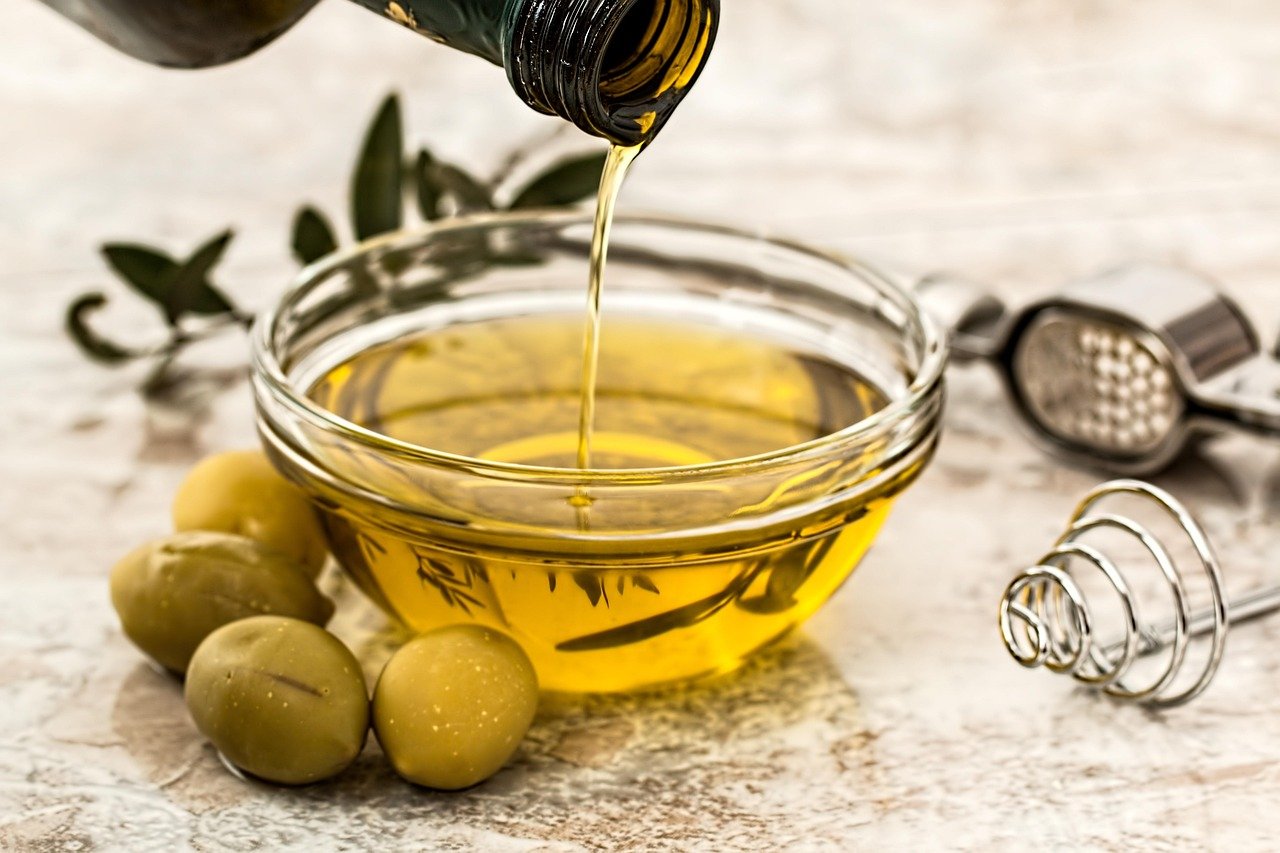
Olive Oil Shots
Olive oil is a healthy fat with well-documented anti-inflammatory and heart health benefits. It can also help ease constipation. However, there’s no strong evidence that taking it as a concentrated shot provides extra gut – specific benefits compared to using it in your everyday cooking. The key is regular inclusion in your diet, not how you consume it.
Sea Moss Gel
Sea moss is a type of seaweed that provides some vitamins, minerals, and fiber. Despite its popularity, there’s very little scientific proof that is significantly improves gut health or digestion. Caution is advised, as seaweeds can contain heavy metals and high levels of iodine, which may be harmful in large amounts.
Bone Broth
Bone broth is made by simmering animal bones, resulting in a nutrient – rich, comforting drink. While it contains minerals and protein, most nutrients are absorbed early in the digestive tract, meaning they don’t reach the large intestine where most gut microbes live. There’s no strong evidence it directly benefits the microbiome, and if not prepared lean, it can be high in saturated fat.
Kombucha
Traditional kombucha is a fermented tea that contains natural acids and antioxidants linked to health benefits. It can be a good addition to a gut – friendly diet. However, quality matters – look for live cultures and avoid varieties with lots of added sugar or artificial sweeteners. It’s a supportive beverage, not a standalone solution.
What Actually Supports Gut Health?
Instead of focusing on single “superfoods”, science points to simpler, more effective habits;
- Eat a Variety of Plants: Different fruits, vegetables, legumes, and whole grains provide diverse fibers that feed various beneficial gut bacteria.
- Prioritize Fiber: Gradually increase your intake of dietary fiber to support regularity and microbiome diversity.
- Limit Ultra – Processed Foods: These often contain additives and low fiber content, which can negatively impact gut bacteria balance.
While popular gut health foods like olive oil and chia seeds have nutritional value, they are not magic bullets. A balanced diet rich in varied plant foods and fiber is the most proven way to support a healthy gut microbiome. Rather than chasing expensive trends, focus on consistent, wholesome eating habits for long – term digestive wellness.


 By
By