

You just got diagnosed with high blood pressure. Your first thought is probably confusion. You do not add salt to your food. You avoid the salt shaker entirely. So how can your pressure be high?
This reaction is common. Many people believe that salt is the only thing that affects blood pressure. But hypertension is far more complicated. Salt matters, yes. But it is only one piece of a much larger puzzle. If you are eating well and still seeing high numbers, something else is going on. Here is what you need to understand.
Hidden Sodium Is Everywhere
you may not use a salt shaker, but salt is hiding in places you would never expect. The majority of sodium in modern diets comes from processed and packaged foods, not from home cooking.
Consider these everyday items:
- Breads and breakfasts cereals
- Biscuits and cookies
- Sauces and salad dressings
- Pickles and chutneys
- Ready- to- eat snacks
- Restaurant meals
All of these contain added sodium. Sometimes a lot. Even foods that taste sweet can have surprising amounts of salt. Baking soda, preservatives, and flavor enhancers all contribute to your total intake without you realizing it.
You can avoid the salt shaker completely and still consume far more sodium than your body needs. Reading labels is not optional. It is essential.
Stress Keeps Your Pressure High
Stress is one of the most overlooked causes of high blood pressure. When you are stressed, your body releases hormones like adrenaline and cortisol. These hormones make your heart beat faster and narrow your blood vessels. Both effects raise your blood pressure.
This response is meant to be temporarily. It helps you handle short -term threats. But modern life creates constant, low – grade stress that never really turns off. Work pressure. Financial worries. Family responsibilities. The news. Your body stays in alert mode, and your blood pressure stays elevated.
Poor sleep makes this worse. When you do not sleep enough, your body cannot regulate stress hormones properly. Your blood pressure control suffers. Over time, this combination drives your numbers higher.
Weight and Metabolism Matter More Than You Think
Excess body weight is strongly linked to high blood pressure. But here is what surprises many people. It is not just about how much you weigh. It is about where you carry the weight.
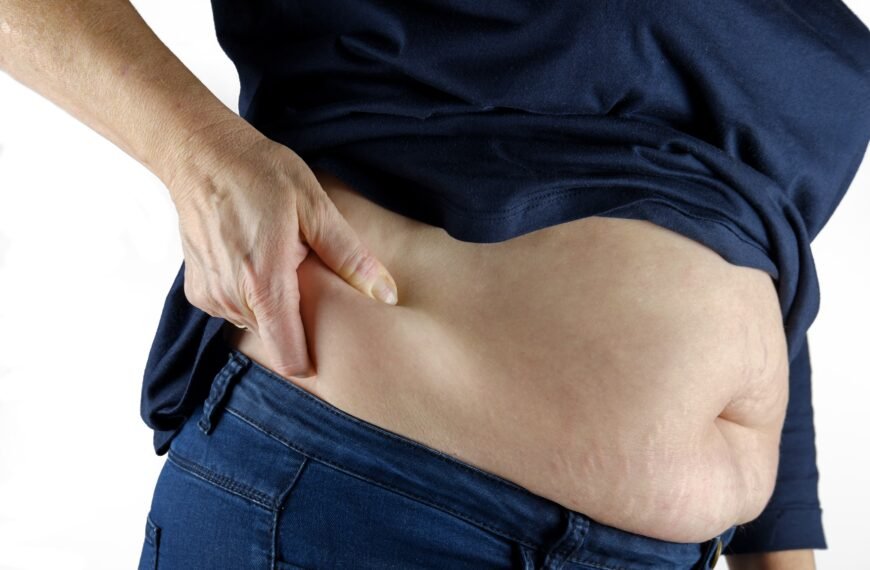
Fat stored around your abdomen, often called belly fat, is metabolically active. It releases substances that interfere with insulin function. This leads to insulin resistance. And insulin resistance affects how your body handles sodium and fluid balance.
The result is higher blood pressure.
Here is the catch. You can have a normal BMI and still carry dangerous abdominal fat. Many people who look “not overweight” on the outside have metabolic issues on the inside. This explains why some people who eat well and avoid salt still develop hypertension.
Your Genes Play a Role
Some people are simply born with a higher risk. Family history matters. If your parents had high blood pressure, your chances of developing it are significantly higher.
This does not mean you are doomed. It means you need to be more vigilant. Lifestyle changes may not be enough on their own. Some people with strong genetic risk require medication to control their pressure. That is not failure. It is biology.
Age also works against you. As you get older, your blood vessels naturally become less flexible. they do not stretch as easily. This increases pressure inside the system. Even with perfect habits, age alone can raise you numbers.
Sitting Too Much Hurts Your Blood Vessels
Physical inactivity is a major contributor to hypertension. When you do not move enough, your blood vessels become stiffer. Your heart has to work harder to pump blood through a rigid system.
Regular exercise does the opposite. It keeps blood vessels flexible and responsive. It strengthens your heart. It helps your body manage stress and weight.
Just 30 minutes of moderate activity on most days can make a measurable difference. Walking counts. Biking counts. Dancing counts. The key is consistency.
If you spend most of your day sitting, whether at a desk or in front of screens, your cardiovascular system pays the price. Movement is medicine for blood pressure.
Alcohol, Smoking, and Caffeine Add to the Load
These three substances affect blood pressure in ways you might not realize.
- Alcohol: Any amount of regular drinking can raise your pressure. The more you drink, the higher the risk.
- Smoking: Nicotine damages the lining of your blood vessels. It makes them stiff and narrow. This directly increases pressure and damages your cardiovascular system over time.
- Caffeine: For some people, caffeine causes temporary spikes in blood pressure. If you are sensitive, even your morning coffee could be contributing.
None of these require salt to affect your numbers. They work through entirely different pathways.
The Big Picture: Hypertension Is Multifactorial
High blood pressure is rarely caused by one thing. It is the result of multiple factors working together over time.
Hidden sodium in processed foods. Chronic stress. Poor sleep. Abdominal weight gain. Insulin resistance. Genetics. Physical inactivity. Alcohol. Smoking. Caffeine sensitivity.
Each factor alone might not push you over the edge. But together, they create a perfect storm.
This is why managing hypertension requires more than just putting down the salt shaker. You need a broader approach.
What You Can Actually Do
Understanding the full picture gives you power. You can address multiple factors at once.
- Read labels. Know how much sodium is hiding in packaged foods.
- Manage stress actively. Deep breathing, mindfulness, therapy. Find what works and do it consistently.
- Prioritize sleep: Seven to eight hours. Regular bedtimes. No screens before bed.
- Move your body. Walk, stretch, exercise. Daily movement keeps blood vessels healthy.
- Watch your waist. Even if your weight is normal, pay attention to abdominal fat.
- Limit alcohol and quit tobacco. Both directly damage your cardiovascular system.
- Know your family history. If hypertension runs in your family, be more vigilant.
- Check your pressure regularly. Hypertension has no symptoms until it causes serious damage.
You can avoid the salt shaker completely and still have high blood pressure. Sodium is only one piece of a complex puzzle. Processed foods hide salt where you least expect it. Stress keeps your pressure elevated through hormones. Poor sleep disrupts your body’s natural regulation. Belly fat and insulin resistance drive numbers up. Genetics load the dice against some people. Inactivity stiffens blood vessels. Alcohol, smoking, and caffeine, add their own pressure.
Managing hypertension means looking at the whole picture. Not just what you eat, but how you live, how you sleep, how you handle stress, and how you move. If your blood pressure is high despite avoiding salt, do not dismiss it. Dig deeper. The answers are there. And once you understand them, you can actually do something about it.

 By
By