
A fragile ceasefire between Iran and the United States is hanging by a thread. Iran has closed the Strait of Hormuz again in protest against massive Israeli bombardment in Lebanon. The waterway, through which one-fifth of the world’s oil usually passes, is now blocked. The Donald Trump administration has demanded it be reopened immediately. But with Israel pounding Lebanese cities and Iran accusing the US of breaking its promises, the two-week truce may not last much longer.
What Happened in Lebanon
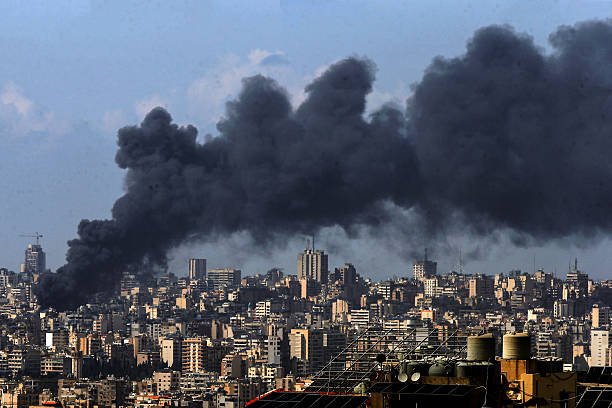
On Wednesday, Israel launched its largest coordinated strike of the war. At least five consecutive explosions rocked residential areas in Beirut within minutes. The Israeli military said it hit more than 100 Hezbollah command centers and military sites across Beirut, the Bekaa Valley, and southern Lebanon.
Lebanon’s civil defence service said 254 people have been killed and over 1,100 wounded across the country. Most of the casualties were in Beirut, where 91 people died. Israel also struck the last remaining bridge linking southern Lebanon to the rest of the country, cutting off areas south of the Litani River. An Israeli military spokesperson said that area is now “disconnected from Lebanon.” Israel has said it intends to occupy the area as a buffer zone.
More than 1.2 million people have been displaced. Before Wednesday’s attacks, over 1,500 had already been killed in Israel’s air and ground campaign across Lebanon, including more than 130 children.
Was Lebanon Part of the Truce?
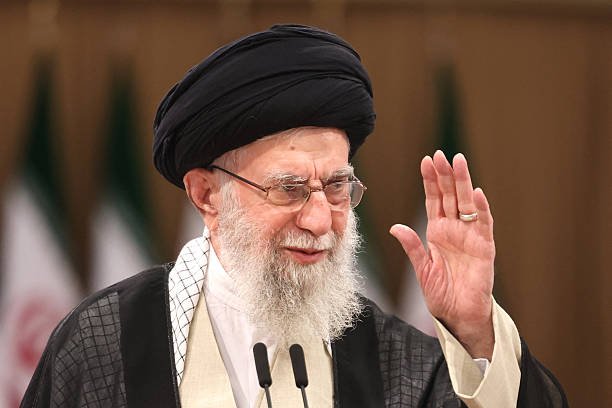
The fresh violence threatens to collapse what US Vice President JD Vance called a “fragile” deal. Iranian Foreign Minister Abbas Araghchi insisted that ending the war in Lebanon was part of the ceasefire agreement. But Israeli Prime Minister Benjamin Netanyahu and President Trump both said the truce did not cover Lebanon.
When the deal was announced, Pakistan’s prime minister, who served as a mediator, posted on social media that it applied to “everywhere, including Lebanon and elsewhere.” That confusion is now at the heart of the crisis.
Araghchi posted on X: “The world sees the massacres in Lebanon. The ball is in the U.S. court, and the world is watching whether it will act on its commitments.”
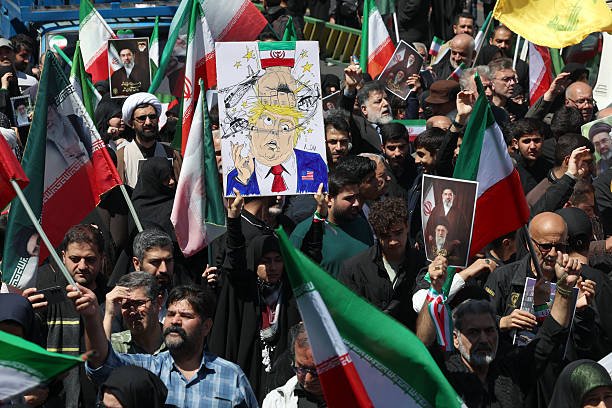
Iran’s parliament speaker said planned US-Iran talks are now “unreasonable” because Washington broke three of Tehran’s 10 conditions for ending the fighting. These included stopping Israeli attacks on Hezbollah, respecting Iranian airspace, and accepting some Iranian enrichment capabilities.
White House press secretary Karoline Leavitt called the re-closing of the Strait of Hormuz “completely unacceptable.” She repeated Trump’s “expectation and demand” that the channel be reopened.
Israel’s Discontent with the Ceasefire
Israeli officials were reportedly unhappy with the late notice they received before the US announced the ceasefire. According to the Wall Street Journal, Israel was only informed at a late stage. “The extent of the consultation was President Trump calling Prime Minister Netanyahu shortly before the cease-fire was announced,” the Journal reported, citing a White House official.
Netanyahu’s office has not commented. But an Israeli official said the US had “coordinated in advance” on a “temporary ceasefire.”
Victory Claims on Both Sides
US Defence Secretary Pete Hegseth declared that American and Israeli forces had achieved a “capital V military victory” and that Iran no longer posed a significant threat to US forces or the region. Iran’s military, meanwhile, said it had forced the US and Israel to accept its “proposed conditions and surrender.”
Much about the agreement remains unclear. Iran says the deal allows it to formalize charging ships passing through the strait. The White House says Trump opposes any tolls. Only 11 vessels moved through the strait on Wednesday, roughly the same as in prior days. Iran is reportedly demanding tolls of up to $1 per barrel for outbound oil.
What Comes Next
The ceasefire was never stable. With Israel pushing hard in Lebanon, Iran re-closing the strait, and both sides claiming victory while accusing the other of breaking promises, the pause in the Iran war may be short-lived. The next few days will determine whether diplomacy holds or the region slides back into full-scale conflict.

 By
By