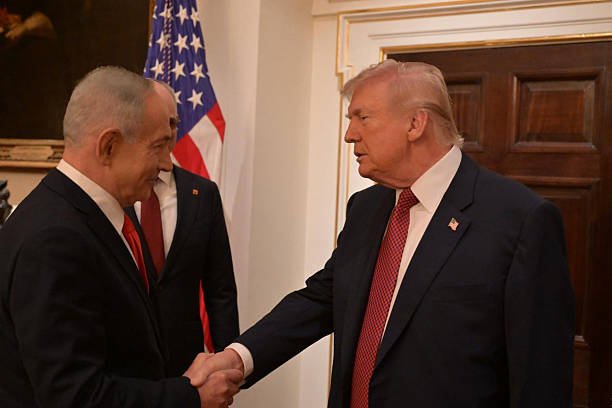

Israeli Prime Minister Benjamin Netanyahu has agreed to pause attacks on Iranian gas fields. The decision came after a direct request from US President Donald Trump. The move marks a shift in the military campaign that has intensified over recent weeks as the two leaders coordinate their next steps in the conflict.
Netanyahu made the announcement after speaking with Trump. He said Israel would “hold off” on striking Iranian energy infrastructure. The pause follows days of intense strikes and retaliatory attacks across the region. Just hours earlier, explosions were heard in Jerusalem and Tehran as Iranians celebrated Nowruz, the Persian New Year. The blasts served as a reminder that the war continues even as families gather to mark the holiday.
The conflict has spread far beyond Israel and Iran. The United Arab Emirates, Kuwait, Saudi Arabia, and Bahrain all reported missile or drone attacks in recent days. In Kuwait, state media said a drone strike hit an oil refinery and caused a fire. Officials are still assessing the damage.
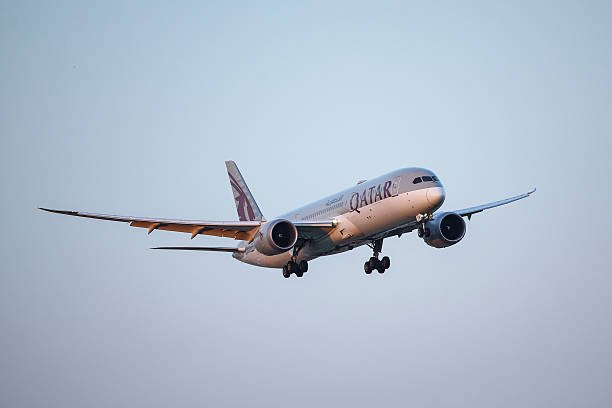
Qatar is also feeling the effects. The country’s energy minister announced that its liquefied natural gas export capacity will drop by 17 percent over the next five years. The reduction follows an Iranian attack on the Ras Laffan facility, which is home to the world’s largest LNG processing plant. That attack has already disrupted global energy markets and pushed prices higher.
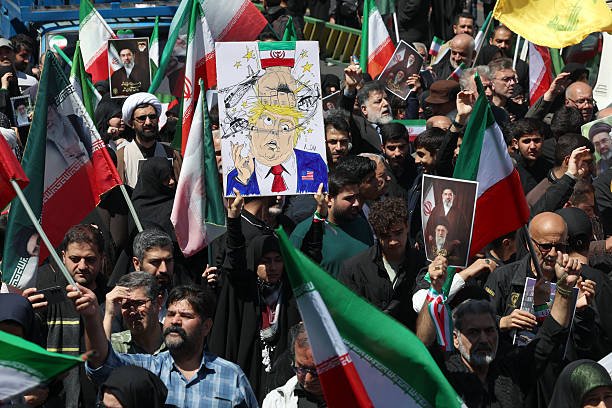
As the Persian New Year began, many Iranians expressed a mix of defiance and exhaustion. One resident put it simply: “I wish everything could be wiped from our memories like we just woke up from a bad dream.” The words capture the mood in a country now entering its fourth week of open war with Israel and the United States.
Netanyahu’s decision to hold off on further gas field strikes suggests a temporary easing on one front. But the broader conflict shows no signs of slowing. Missiles and drones continue to hit targets across the Gulf. Energy infrastructure remains a prime target. And the human toll grows with each passing day.
The coming days will show whether the pause holds and whether diplomatic efforts can gain ground. For now, the region remains on edge. The Persian New Year offers little relief from a war that has already reshaped the Middle East’s energy landscape and tested alliances on all sides.

 By
By