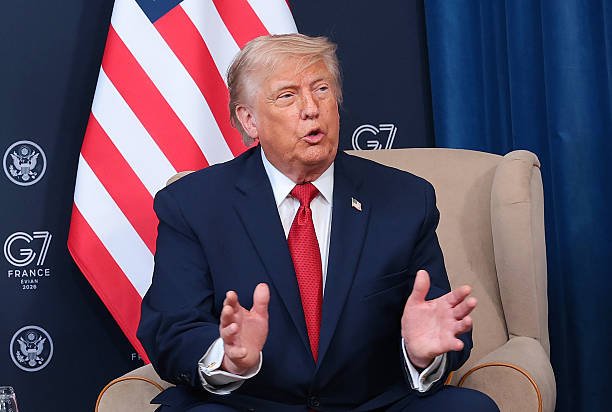

Former US President Donald Trump is once again making headlines after reports revealed details about how he views the power of the American presidency. According to a recently published book, Trump discussed a document that compared the influence of a modern US president with some of the most powerful rulers in world history.
The story has attracted global attention because it raises questions about leadership, political influence, and how leaders see their place in history.
A Comparison With Historic Leaders
The document reportedly compared Trump’s position with famous historical figures such as William the Conqueror, Genghis Khan, Napoleon Bonaparte, Alexander the Great, Mao Zedong, and Joseph Stalin.
The central argument of the document was that although these leaders controlled large territories and powerful armies, they did not have access to the advanced communication systems, technology, and global reach available to a modern US president.
According to reports, the document suggested that the influence of a US president today can extend across the world within seconds through political, economic, military, and digital channels.
The Origin of the Document
Trump reportedly stated that the document came from a historian. However, further investigation found that it was written by Dave King, a longtime associate of professional golfer Gary Player.
The document recently gained renewed attention after a similar message was shared on Truth Social. The message described Trump as the “most powerful person that has ever walked this planet,” leading to widespread discussion online.
Discussions About Power and Leadership
The comparisons have created mixed reactions among political observers and the public.
Supporters argue that Trump transformed American politics, challenged traditional political systems, and strengthened the country’s position on the world stage. They view his confidence as a sign of strong leadership and determination.
Critics, however, believe that comparisons with powerful historical rulers can raise concerns about how political power should be used. Some observers argue that leadership should focus on democratic values and institutional balance rather than personal influence.
These different viewpoints continue to fuel debate across political and social platforms.
A New Focus on Legacy
The book also suggests that Trump’s current political approach is heavily influenced by his desire to shape how future generations remember his presidency.
According to the authors, he has returned to public life with a stronger sense of authority and a clear focus on building a lasting legacy. This has led to increased discussions about executive power, leadership style, and the future direction of American politics.
For many supporters, this determination is one of Trump’s defining strengths. For critics, it raises important questions about the limits of presidential authority.
Why the Debate Matters
Whether viewed positively or negatively, Trump’s comments and the comparisons made in the document have become a major topic of discussion.
The debate is not only about one political figure. It also reflects larger questions about power, leadership, influence, and how history judges world leaders.
As political conversations continue, Trump’s view of his role in history remains one of the most closely watched aspects of his public life.
The discussion surrounding Donald Trump and presidential power has once again captured worldwide attention. While supporters see a leader with unmatched influence and confidence, critics remain cautious about comparisons with powerful rulers from history. Regardless of opinion, the conversation highlights the continuing impact Trump has on politics and the ongoing debate about leadership in the modern world.

 By
By