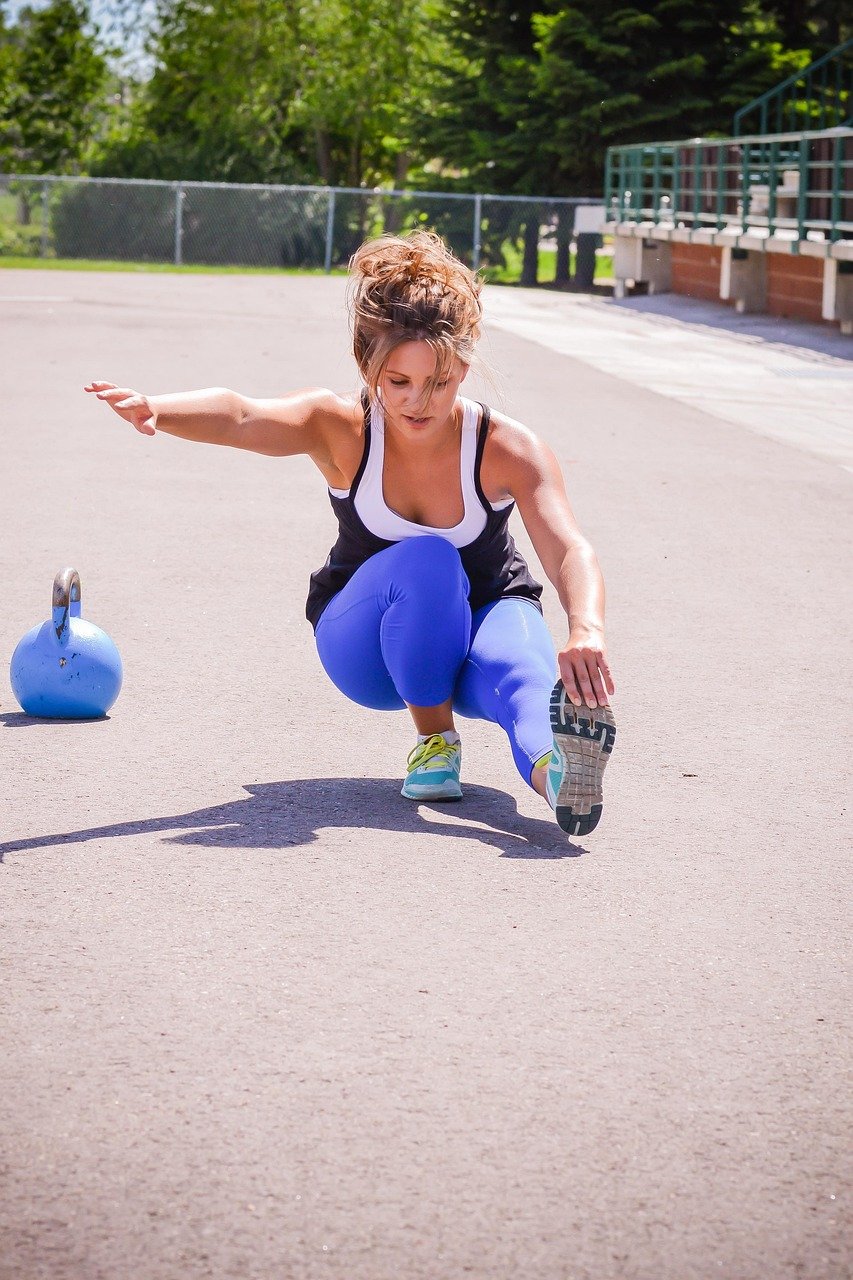

Lower body strength is essential for everyday actions like walking, climbing stairs, and standing up from a chair. Strong legs also improve athletic performance, help prevent injuries, and increase endurance. The muscles in your legs, including the quadriceps, hamstrings, calves, and glutes, are the largest in your body. Keeping them strong affects how efficiently you move, burn energy, and protect your joints. To achieve stronger legs, you need to focus on exercise, diet, and lifestyle choices.
Engage in Strength Training
A consistent strength training program is vital for developing leg muscles. Include exercises that target all major leg muscle groups. Squats, lunges, deadlifts, leg presses, and calf raises are excellent choices. Aim for two to three strength training sessions per week. Always include rest days for muscle recovery. Gradually increase the weight or number of repetitions over time. This forces your muscles to adapt and grow stronger.
Incorporate Cardiovascular Exercises
Cardiovascular exercises play an essential role in leg strength and endurance. Running, cycling, swimming, and brisk walking help tone your legs while improving blood circulation and heart health.
Focus on Flexibility and Mobility
Stretching and yoga can significantly improve leg strength. Tight muscles can limit movement and make exercises harder. Do dynamic stretching before workouts and static stretching afterward. Regular yoga sessions improve strength, balance, and range of motion, all of which benefit leg performance.
Focus on Your Diet
Strength training creates micro-tears in your muscles. Diet helps repair and rebuild that tissue. Nutrition is vital for building leg strength. Eat a balanced diet that provides enough energy and nutrients to support your workouts.
Protein is essential for muscle repair and growth. Eat lean meats, fish, eggs, dairy, legumes, and plant-based protein sources. Complex carbohydrates provide lasting energy. Eat whole grains, fruits, and vegetables to fuel your workouts. Healthy fats from avocados, nuts, and olive oil support hormone production and overall health. Stay well-hydrated. Water is your primary source, but electrolyte-rich drinks can help after workouts.
Get Enough Rest
Rest and recovery are often overlooked. Muscles need time to repair and grow stronger after workouts. Aim for seven to nine hours of sleep per night. Include rest days in your routine. If you feel very sore or tired, take an extra rest day or do lighter activities.
Lower body strength is crucial for simple daily actions like walking, climbing stairs, and rising from a chair. Building stronger legs takes consistent training, proper nutrition, and adequate recovery. Follow these tips, and your legs will thank you.


 By
By