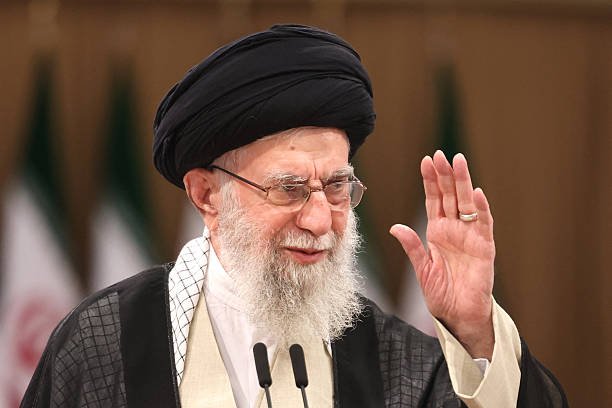
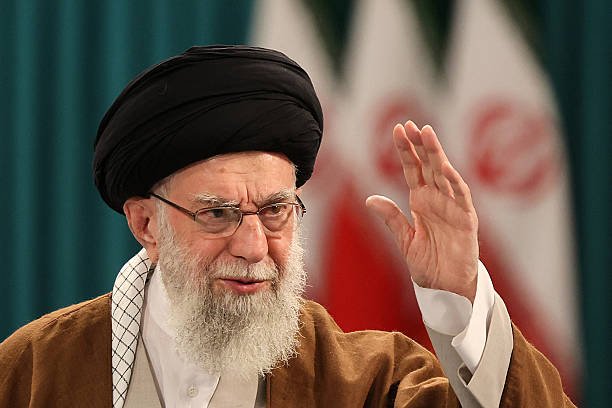

More than seven weeks have passed since former Iranian Supreme Leader Ayatollah Ali Khamenei was killed in a US-Israeli strike, yet his body remains unburied. In a country where massive public funerals are a powerful political ritual, the delay is striking. Millions turned out for his predecessor Ayatollah Ruhollah Khomeini’s funeral in 1989. But for Khamenei, no such ceremony has been organized. Experts say the reason is not just war. It is fear.
A Funeral That Cannot Happen
Khamenei was assassinated on February 28 in a combined US-Israeli strike in Tehran. Since then, the Iranian regime has not finalized a burial site. The new Supreme Leader, Mojtaba Khamenei, has not made a single public appearance. According to Behnam Taleblu of the Foundation for the Defence of Democracies, the regime is paralyzed.
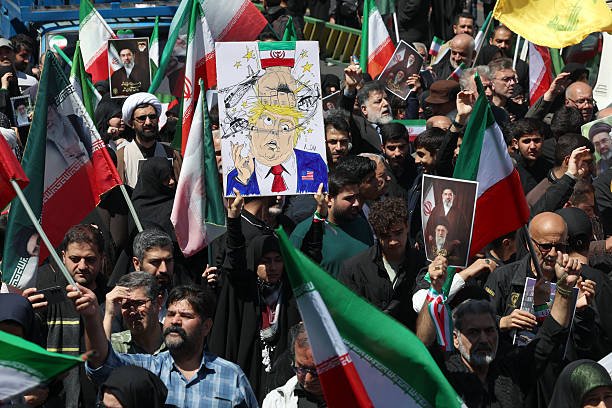
“Simply put, the regime is too afraid and too weak to roll the dice,” Taleblu told the New York Post. He said Iran is spooked by potential Israeli airstrikes and nationalist protests. A large public gathering could become a target. It could also become a flashpoint for internal dissent.
The Missing Leader
Mojtaba Khamenei’s absence is another piece of the puzzle. Weeks after his father’s death, he has not been seen in public. The regime will eventually have to explain where he is and why he has not appeared. A funeral would force that conversation.
Taleblu noted the contrast with 1989. “It speaks volumes that the turnout for the funeral of the regime’s founding father was such a massive affair, and yet one generation later his successor is still not able to have a funeral well over a month after his passing,” he said.
A Regime in Hiding
Iran has also imposed a 50-day internet blackout. “The regime fears the consequences of the truth getting out,” Taleblu added. According to the New York Post, the government is now considering burying Khamenei in Mashhad, his hometown on the border with Turkmenistan, far from Israel’s reach.
The War and the Ceasefire
Iran responded to the strikes by attacking US positions in the Middle East and closing the Strait of Hormuz, a vital route for global oil supplies. On April 8, the two sides announced an interim ceasefire. Last week, peace talks were held in Islamabad but failed after more than 20 hours of negotiations.
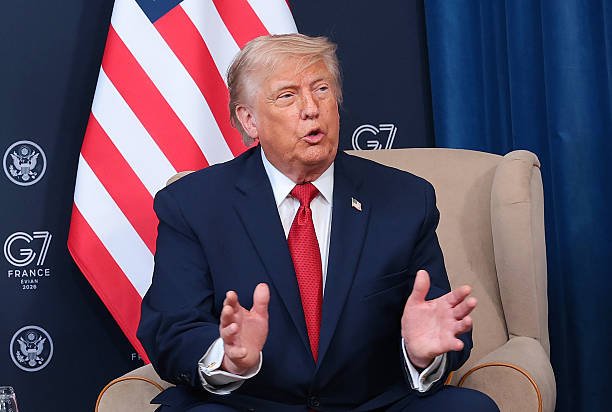
President Donald Trump claimed Iran’s insistence on holding onto its nuclear ambitions derailed the talks. On Sunday, he announced a second round of peace talks in Pakistan. He also warned that if Tehran does not accept a deal, US forces will knock out “every single power plant and bridge” in Iran.
Seven weeks after his death, Ali Khamenei remains unburied. The delay is not due to a lack of planning. It is due to a lack of safety and a lack of confidence. The regime that once commanded millions in the streets now fears them. Until that changes, Iran’s former supreme leader will remain in limbo.

 By
By