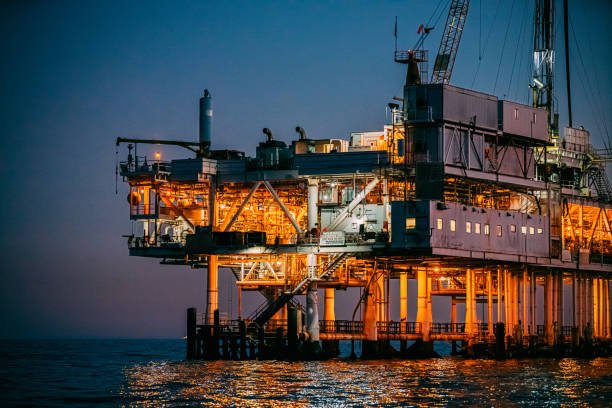

The United Arab Emirates is leaving OPEC. After nearly 60 years of membership, the Gulf state will exit the oil cartel and the broader OPEC+ alliance next month. The decision marks a major shift in global energy politics. One analyst called it “the beginning of the end of OPEC.”
Why the UAE Is Leaving
The UAE said its departure will help it meet growing global energy demand in the long term. The country has invested heavily in boosting its production capacity. Staying in OPEC had constrained its ability to pump more oil. By leaving, the UAE gains flexibility. Its energy minister said being a country with no quota obligations would allow it to respond more freely to market conditions.
The UAE produced 2.9 million barrels of oil per day in 2024. OPEC’s de facto leader, Saudi Arabia, produced nine million barrels per day. Experts estimate the UAE could boost its output by about one million barrels per day outside of OPEC.
A Win for Trump
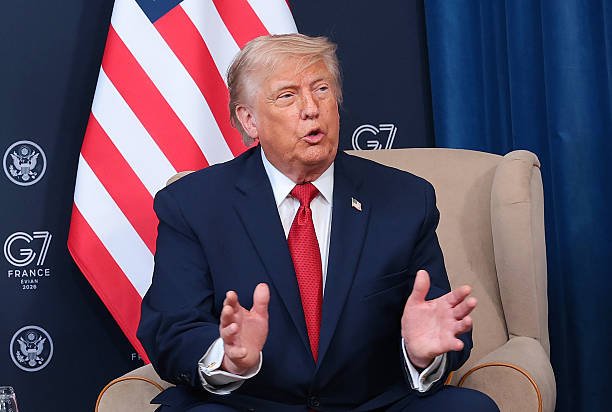
The UAE’s departure is also a victory for US President Donald Trump. Trump has long attacked OPEC for “ripping off the rest of the world.” In January, he asked Saudi Arabia and other OPEC nations to “bring down the cost of oil” and doubled down on his threat to use tariffs. The exit opens the door for closer energy ties between the UAE and the United States.
The Beginning of the End?
Saul Kavonic, head of energy research at MST Financial, said the move could have far-reaching consequences. “With the UAE leaving, OPEC loses about 15% of its capacity and one of its most compliant members,” he said. “This presents a fundamental geopolitical reshaping of the Middle East and oil markets.”
David Oxley, chief climate and commodities economist at Capital Economics, warned that while the UAE is small, the implications could be major if other member states follow suit. Saudi Arabia may now struggle to keep the rest of OPEC together and could have to manage market stability largely on its own.
The Bigger Picture
The UAE’s decision came as the World Bank warned that the war in the Middle East has caused the biggest loss of oil supply on record. Energy prices are expected to rise by about a quarter on average this year. It could take six months for shipping through the key Strait of Hormuz to return to pre-war levels.
“The poorest people, who spend the highest share of their income on food and fuels, will be hit the hardest,” said Indermit Gill, the World Bank’s chief economist.
What OPEC Looks Like Now
OPEC was formed in 1960 by Iran, Iraq, Kuwait, Saudi Arabia, and Venezuela. The UAE joined in 1967. Its departure will leave the cartel with 11 members. There are an additional 10 non-OPEC countries in the wider OPEC+ alliance.
Dr. Carole Nakhle, chief executive of Crystol Energy, told the BBC that the UAE’s decision “has been a long time in the making.” She noted that Iran’s actions as an OPEC member likely reinforced the UAE’s choice.
The UAE’s exit from OPEC is a seismic event in the energy world. It weakens the cartel, strengthens the UAE’s hand, and aligns closely with US interests. Whether other members follow will determine if this is truly the beginning of the end for the world’s most famous oil alliance.

 By
By