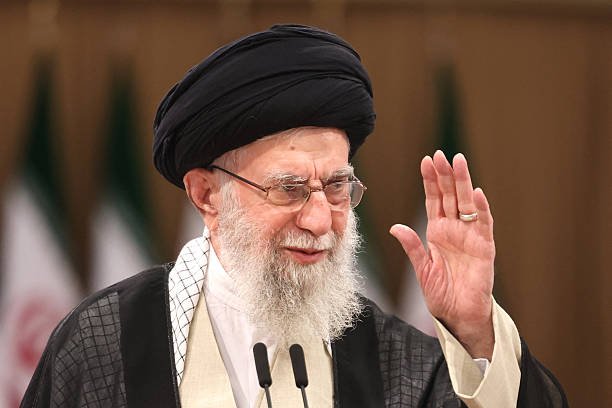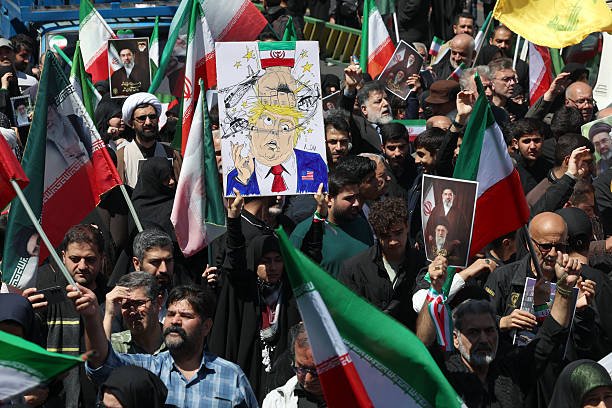

Iran has signaled a potential breakthrough in the ongoing conflict. According to two regional officials cited by the Associated Press, Tehran is willing to loosen its grip on the Strait of Hormuz. The condition? The United States must end its military campaign and lift its economic blockade. However, any discussion of Iran’s nuclear program would be postponed — a demand US officials appear unwilling to accept.
The Proposal
The offer was delivered to US officials through Pakistan. It comes during a fragile ceasefire between Washington and Tehran. Under the proposal, talks on Iran’s nuclear activities would be deferred until the war formally ends and disputes over shipping in the Persian Gulf are resolved. The United States has repeatedly said that nuclear issues must be addressed at the very beginning of any negotiations.
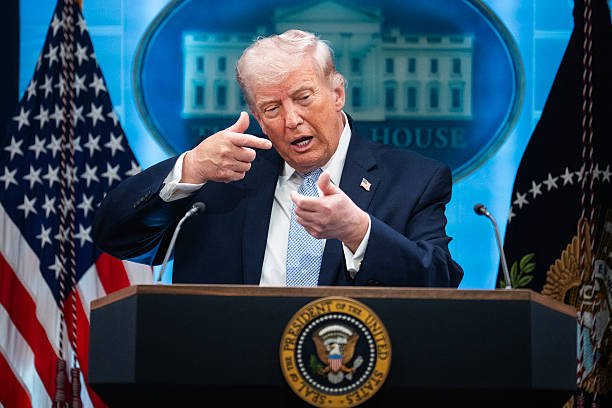
President Donald Trump is unlikely to embrace a deal that leaves unresolved the very disputes that prompted US and Israeli strikes against Iran on February 28.
US Response
Secretary of State Marco Rubio made the US position clear. Speaking to Fox News on Monday, he stressed that nuclear restrictions must remain central to any agreement. “We can’t let them get away with it,” Rubio said. “We have to ensure that any deal that is made, any agreement that is made, is one that definitively prevents them from sprinting towards a nuclear weapon at any point.”
The Stakes
The dispute centers on the Strait of Hormuz, a narrow waterway between Iran and Oman. About one-fifth of the world’s traded oil and gas typically flows through it. Iran’s restrictions on shipping have stranded oil tankers and disrupted global supply chains. The US blockade has sought to cut off Iran’s ability to export oil, a critical source of revenue.
Oil and gasoline prices in the United States have surged ahead of key midterm elections. Gulf Arab states that depend on the strait to export energy have pressed for its reopening. On Monday, Brent crude futures closed above $108 a barrel, roughly 50 percent higher than before the war began.
Diplomatic Moves
The proposal emerged as Iranian Foreign Minister Abbas Araghchi visited Russia. He met President Vladimir Putin in St. Petersburg. Putin praised Iran’s resistance and said Moscow would do everything possible to promote peace. Araghchi said the United States had failed to achieve its objectives and was now seeking negotiations.
Trump said over the weekend that after he canceled a planned trip by US envoys to Pakistan, Iran submitted a “much better” proposal, though he offered no details. He reiterated that Iran must never acquire a nuclear weapon. Iran maintains its nuclear program is peaceful, while Washington wants its stockpile of highly enriched uranium removed.
The Human Toll
The war has taken a heavy toll. According to the AP, at least 3,375 people have been killed in Iran, more than 2,500 in Lebanon, and dozens elsewhere in Israel and Gulf states.
Iran has put forward a clear offer: reopen the strait in exchange for an end to the war and blockade. But the US is not willing to set aside the nuclear issue. With both sides holding firm, the path to peace remains blocked. Meanwhile, the human and economic costs continue to rise.

 By
By