
What if you could get more vitamins from your salad just by adding the right dressing? Scientists are finding that everyday ingredients like black pepper and olive oil do much more than add flavor. They can actually help your body absorb more nutrients from the food you eat, turning a healthy meal into a supercharged one.
Why Some Nutrients Need Help
You might eat plenty of fruits and vegetables, but that doesn’t mean your body absorbs all their goodness. Vitamins like A, D, E and K are “fat – soluble”. This means they dissolve in fat, not water. If you eat a carrot or some spinach without any fat, these vitamins can pass right through your digestive system without being absorbed. Your body needs a little fat to act as a carrier, transporting these vital nutrients into your bloodstream.
How Olive Oil Unlocks Nutrients
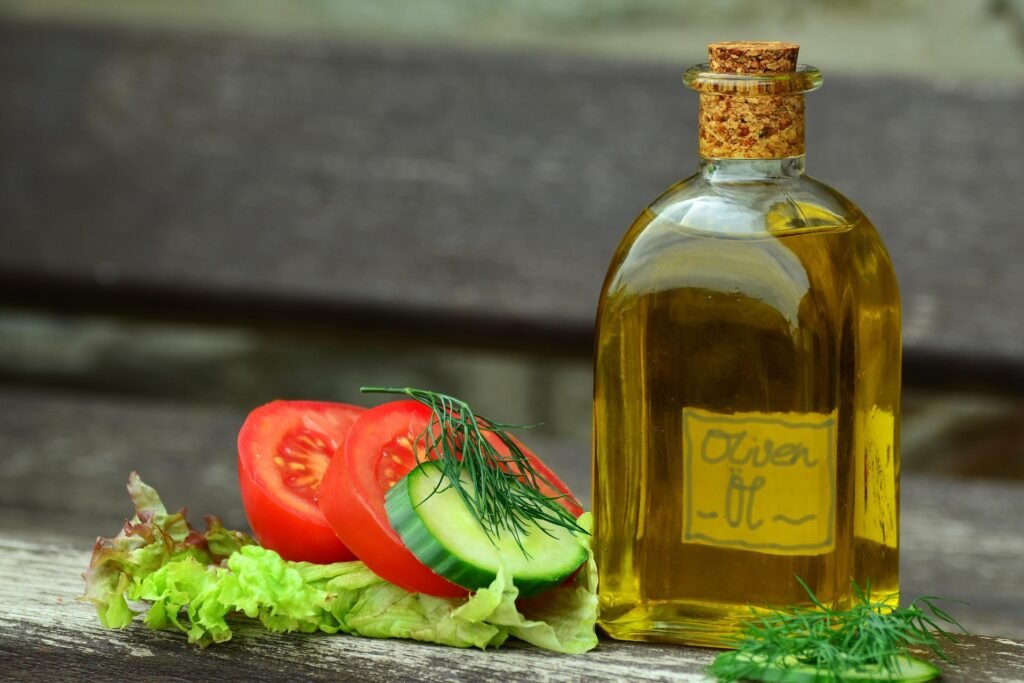
This is where a dressing like olive oil comes in. When you eat fat, your body breaks it down into tiny particles called micelles in your gut. Think of these as microscopic transport vehicles. The fat – soluble vitamins climb inside these micelles, which then carry them to the intestinal wall for absorption. Research shows that olive oil is particularly good at this. In studies, an olive oil – based dressing significantly boosted the absorption of carotenoids (plant pigments that turn into Vitamin A) from kale and salads, much more so than oils like coconut oil.
The Surprising Power of Black Pepper
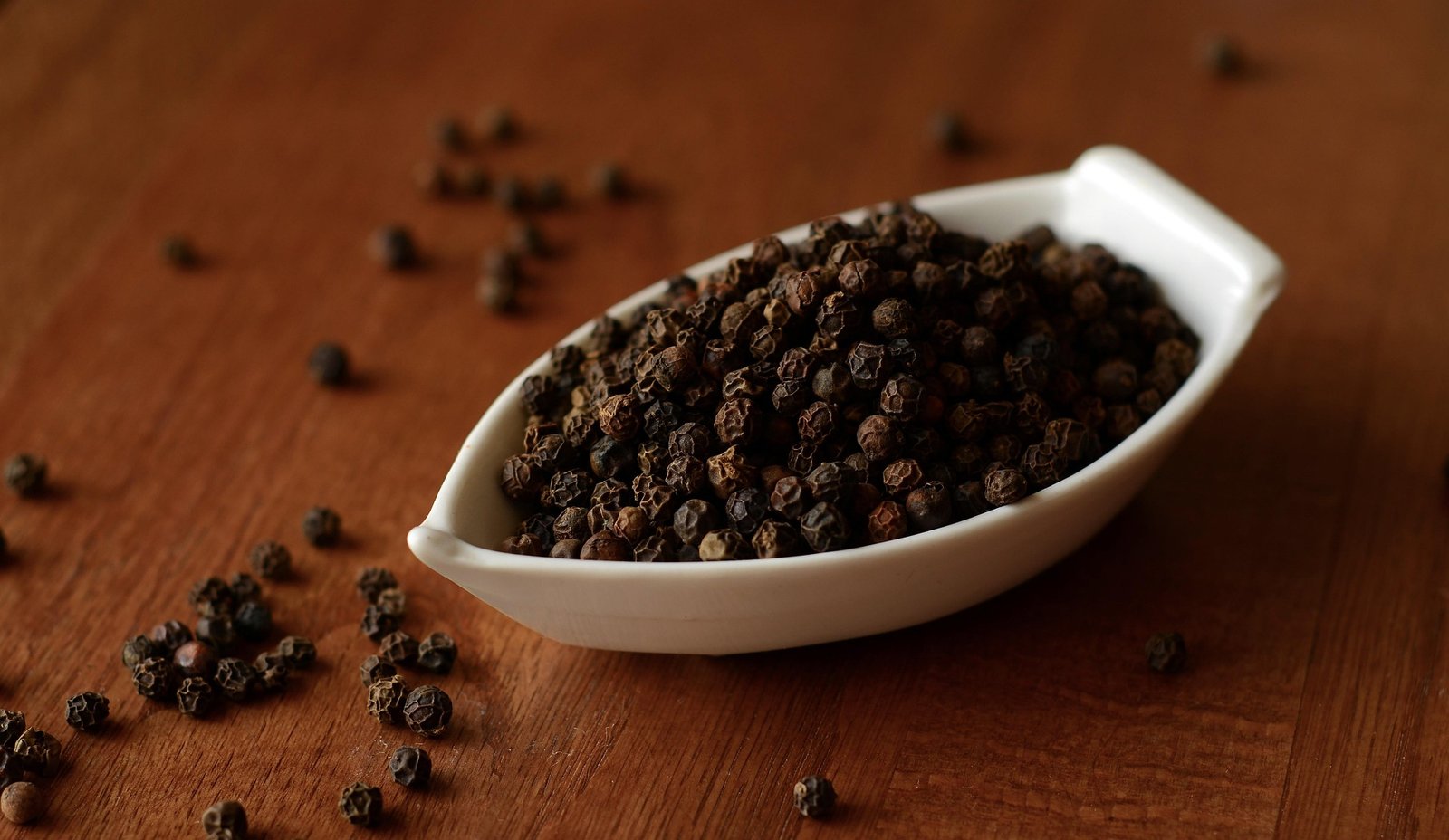
Black pepper plays a different but equally important role. It contains a compound called piperine. This compound helps nutrients in two ways. First, it may slow down the breakdown of some nutrients in the liver, allowing them to stay in your body longer. Second, some research suggests it can improve the permeability of your gut lining, making it easier for nutrients to pass into the bloodstream. In short, black pepper can help ensure that more of the vitamins you eat actually get used by your body.
An Ancient Combination Proven by Science
This powerful pairing isn’t a new discovery. It’s a principle found in ancient culinary traditions. The classic Indian “golden milk”, which combines turmeric (a source of curcumin) with milk (fat) and black pepper, is a perfect example. Modern science has confirmed that the fat in milk carries the curcumin, and the black pepper ensures more of it is absorbed. This same logic applies to your daily meals.
How to Use This in Your Kitchen
You don’t need special supplements to use this science. Here’s how to apply it easily:
1. Always Pair Greens with Healthy Fats: Drizzle olive oil, avocado oil, or a nut – based dressing on your salads and cooked vegetables.
2. Add a Sprinkle of Pepper: Season your meals, especially those rich in vegetables and spices like turmeric, with fresh black pepper.
3. Take Supplements with Food: If you take a vitamin supplement, especially a fat – soluble one, always take it with a meal that contains some healthy fat, like a handful of nuts or yogurt.
By thoughtfully combining your foods, you can maximize the nutritional benefit of every bite. A simple dash of pepper and a drizzle of olive oil are small changes that can make a big difference in your health.


 By
By