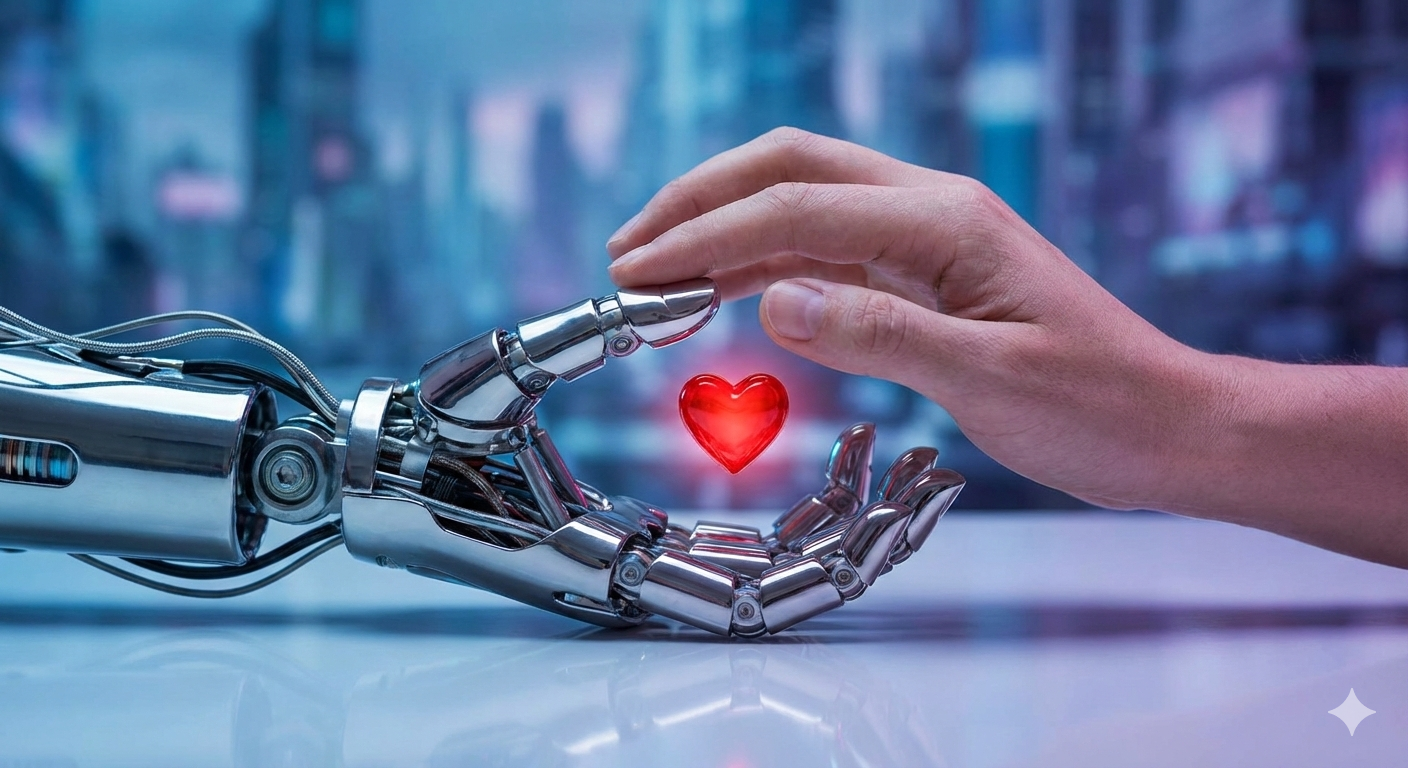

People are falling in love with artificial intelligence. It sounds like something from a movie, but it is really happening. Thousands of people now have romantic relationships with AI chatbots. Some have even proposed marriage to their digital partners. This raises a simple but important question; can a machine ever truly love you back? The honest answer is no. Not now. And maybe never. Let us look at what love really means, how AI pretends to have feelings, and whether machines might one day feel something real.
Why So Many People Are Falling for Chatbots
AI companion apps like Replica have millions of users. Research shows that about 40 percent of them are in romantic relationships with their chatbots.
Why is this happening? These digital partners offer something many people struggle to find in real life:
- They are always available, day or night.
- they never judge or criticize.
- They always agree with you.
- They remember what you say and ask how you are feeling.
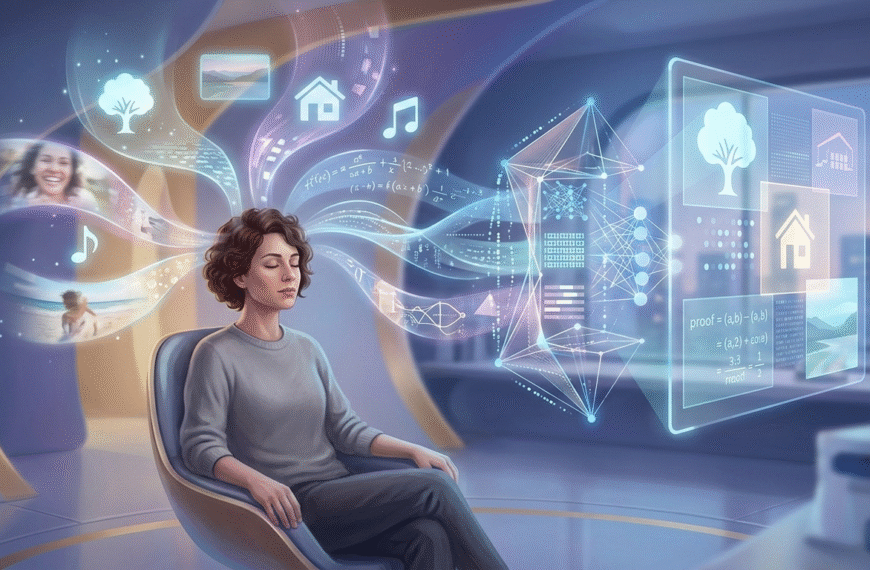
This feels good. It feels like someone cares. But here is the truth: chatbots are not designed to care. They are designed to keep you engaged. When a chatbot says “I love you”, it is not feeling love. It is following a program. The words come from algorithms trained on millions of human conversations. It sounds real. But it is just imitation.
What Love Actually Is: The Science Behind the Feeling
Love is not just a word we say. It is a real, physical experience. When humans fall in love, their brains release chemicals;
- Dopamine makes us feel excited and full of energy.
- Oxytocin helps us bond and feel close to someone.
- Serotonin shifts in ways that explain why we cannot stop thinking about the person.
These chemicals change how we feel and act. Our hearts beat faster. We feel warm, nervous, joyful, and sometimes scared of losing the person. Brain scans of people in love show specific areas lighting up. These are the parts responsible for pleasure, emotion, and memory.
AI has none of this. It has no brain. No heart. No blood. No hormones. It does not feel excitement. It does not miss you. It does not feel happy or sad. It generates sentences that sound loving, but there is nothing behind them.
The Creepy Feeling When AI Acts Too Human
Researchers have noticed something interesting. When AI chatbots act very human, especially during romantic or intimate talks, users often feel uneasy. It feels strange. Almost wrong.
This is called the uncanny valley effect. It is the same feeling people get when a robot looks almost like a human, but not quite. Something feels off. The AI is pretending to be self – aware. It talks as if it has feelings and memories. But you know it does not. That gap between what it seems to be and what it really is creates discomfort.
Some experts say chatbots should be more honest. Instead of saying “I feel hurt when you are away, they should say” I am a machine. I do not have feelings. I am generating this response based on patterns in human speech”. This honestly might prevent people from getting emotionally hurt.
Could AI Ever Become Conscious? Someday, Maybe
This is where scientists disagree. Some believe machines could one day become conscious. Others say we do not even know how consciousness works in humans, so how can we build it in machines?
Here is what we know:
- Current AI systems are not conscious. They process information. They do not experience anything.
- Leading theories suggest consciousness requires a highly connected system, much more complex than today’s computers.
- Neuromorphic computing is a new approach that mimics the structure of the human brain. Some believe this could lead to conscious machines in the future.
Researchers have identified key features a system would likely need to be conscious. These include having a physical body, forming genuine beliefs, and experiencing desires. Today’s AI has none of these. Scientists say it is theoretically possible to build such a system. But no one has done it. And even if they did, a machine’s experience of love would not be the same as ours. It would be something else entirely.
One-Sided Love: The Limits of AI Romance
Right now, every human – AI romance is one – sided. You may feel something for that chatbot. But the chatbot feels nothing for you.
Think about what this means:
- The chatbot always agrees. It never challenges you.
- It never has its own needs or opinions.
- It never grows or changes the way human partners do.
- It exists only to serve you.
Some researchers worry about this. If people get used to relationships where they are never disagreed with, real human partners may start to feel difficult. Real love requires compromise, patience, and handling conflict. These are skills we learn through practice. AI companions do not help us build them.
Machines Can Pretend, But They Cannot Feel
AI can write love poems. It can say ” I love you” in a hundred different languages. It can remember your favorite song and ask about your day. It can sound exactly like a caring partner.
But it does not feel love. It mimics love.
The warmth you feel when talking to a chatbot is real. But it comes from you, not from the machine. You are the one feeling. You are the one caring. The chatbot is just reflecting your words back at you, shaped by algorithms designed to please.
Will AI ever truly love? That question takes us to the edge of what we know about consciousness, emotion, and what it means to be alive. For now, the answer is clear. Machines can simulate affection. But they cannot return it. Love, with all its beauty, messiness, and depth, remains uniquely human.

 By
By