
Winter can be tough on your lungs. Cold, dry air and seasonal illnesses can make beathing feel more difficult. Many people look for natural ways to support their respiratory health during these months. One practice that often comes up is Anulom Vilom, also known as alternate nostril breathing. This gentle yoga breathing technique might offer specific benefits to help your lungs cope with winter challenges.
What is Alternate Nostril Breathing?
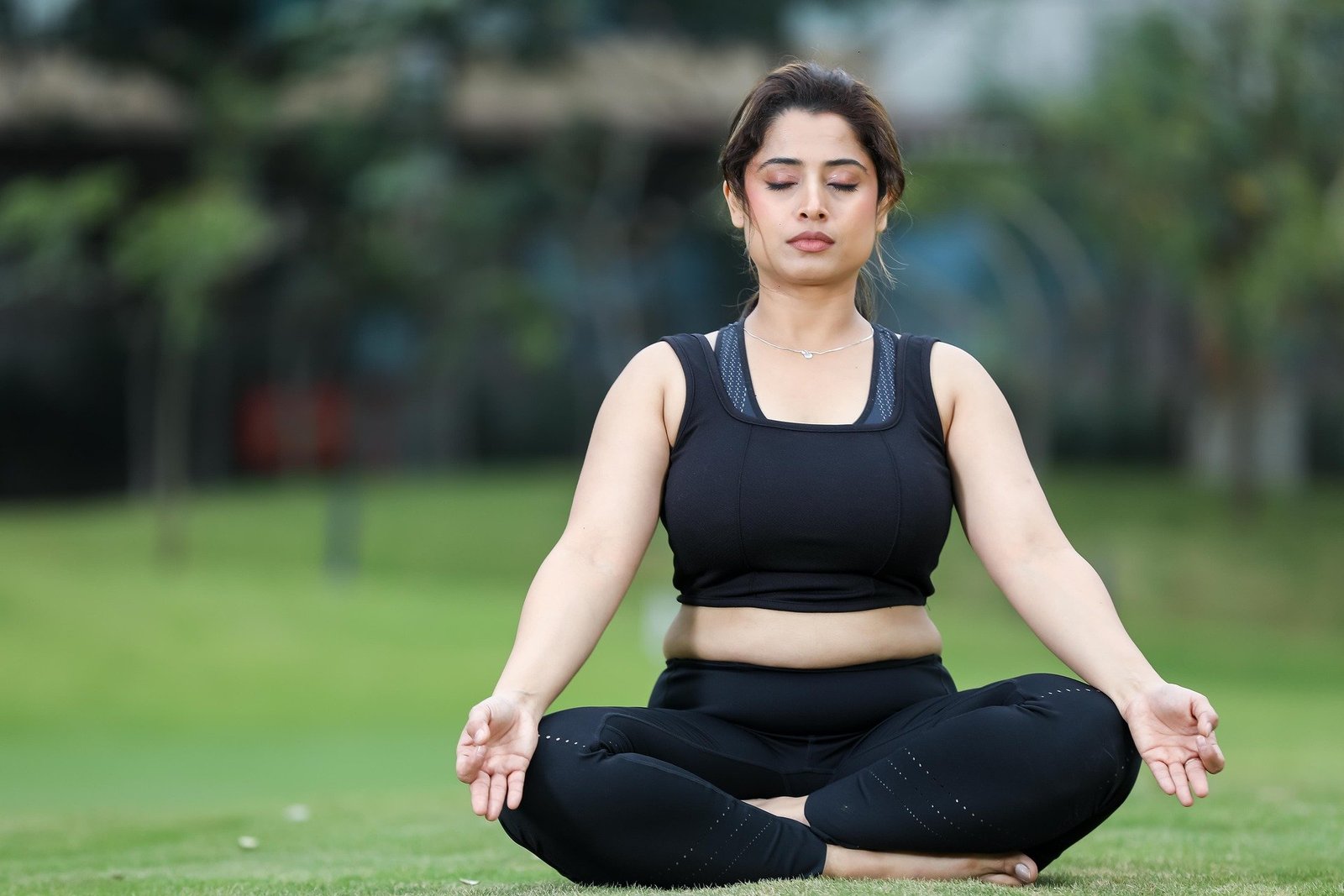
Alternate nostril breathing is a simple, mindful breathing exercise. You sit comfortably, close one nostril, and inhale slowly. Then, you close the other nostril and exhale. You continue this pattern, alternating the nostril you breathe in and out of. The practice is done slowly and rhythmically, focusing on making each breath smooth and even.
Potential Benefits for Winter Lung Health
This breathing technique may support your lungs in several ways that are especially useful in cold weather:
1. Conditions the Air You Breathe
When you breathe cold, dry air through your mouth, it can irritate your airways. Alternate nostril breathing encourages you to breathe only through your nose. Your nasal passages naturally warm and humidify the air before it reaches your lungs, which can reduce irritation and dryness.
2. May Improve Lung Function and Capacity
The slow, controlled breaths act like a mild workout for your respiratory muscles, including your diaphragm. Over time, this can help improve lung strength and efficiency, potentially making it easier to take full, deep breaths. Some studies on breathing practices have shown improvements in measures of lung airflow.
3. Promotes Relaxation and Reduces Stress
The rhythm of this breathing has a calming effect on the nervous system. It can help lower stress and anxiety levels. Since stress can worsen feelings of breathlessness or chest tightness, managing it can be an indirect but important way to support easier breathing.
How to Practice Safely
To get the potential benefits, it’s important to practice correctly;
- Find a Comfortable Seat: Sit with your back straight, either on a chair or on the floor.
- Start Gently: Begin with just 3-5 minutes per day. You can slowly increase the time as you become more comfortable.
- Never Force It: Your breath should always feel easy and relaxed. If you feel dizzy or short of breath, stop immediately and breathe normally.
- Practice Indoors: Do your breathing in a warm, quiet room, ideally before a meal.
Important Precautions
Alternate nostril breathing is a wellness practice, not a medical treatment.
- It is not a substitute for medicine for conditions like asthma, COPD, or bronchitis.
- If you have a severe cold with total nasal blockage, a high fever, or serious heart or lung conditions, avoid practicing unless you have been cleared by a healthcare provider.
- Always listen to your body and stop if you experience any discomfort.
Supporting Your Lungs Holistically
For best results, combine this breathing practice with other healthy winter habits.
- Stay well – hydrated by drinking plenty of water.
- Use a humidifier at home to add moisture to dry indoor air.
- Avoid exposure to smoke and outdoor pollution on poor air quality days.
- Continue with any prescribed medical treatments for existing lung conditions.
In summary, practicing alternate nostril breathing daily can be a valuable, gentle tool in your winter wellness routine. By potentially conditioning the air, strengthening respiratory muscles, and reducing stress, it may help your lungs feel more comfortable and resilient during the colder months. As with any new health practice, consistency and mindfulness are key.


 By
By