
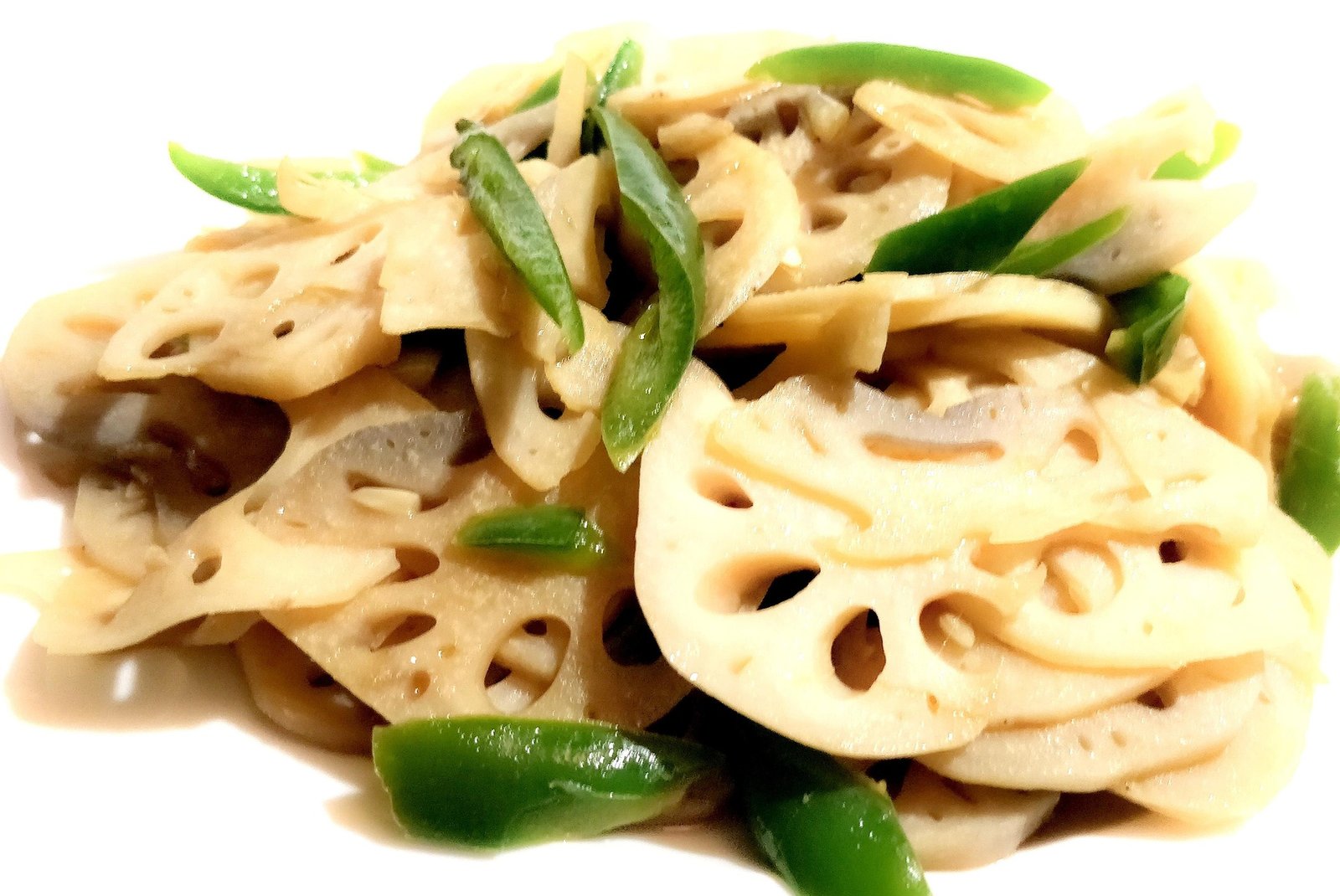

In the world of healthy eating, new superfoods are always emerging. Lotus root, a crunchy, versatile vegetables, is gaining attention for its impressive nutritional profile. But can it actually support your weight loss goals? Let’s explore the science behind lotus root and uncover its top health benefits.
What is Lotus Root?
Lotus root is the edible stem of the lotus plant, found underwater. It has a crisp texture, a mild, slightly sweet flavor, and a distinctive pattern of holes when sliced. It’s a staple in many Asian cuisines and is celebrated for being rich in essential nutrients while being low in calories.
Lotus Root and Weight Loss: The Connection
Can eating lotus root help with weight management? The answer lies in its nutritional makeup. Here’s how it can be a valuable part of a weight-loss diet:
- High in Fiber: Lotus root is an excellent source of dietary fiber. Fiber promotes a feeling of fullness after eating, which can help curb overall calorie intake and prevent overeating.
- Low in Calories: It has a low-calorie density, meaning you can eat a satisfying portion without consuming too many calories.
- Complex Carbohydrates: The carbs in lotus root are released slowly into your bloodstream. This helps maintain steady energy levels and prevents the blood sugar spikes that can lead to cravings.
It’s important to remember that no single food causes weight loss. Lotus root is a helpful tool within a balanced diet and active lifestyle, not a magic solution.
Top 5 Health Benefits of Lotus Root
Beyond weight management, lotus root offers several sciences – backed health advantages:
1. Supports Digestive Health
The high fiber content in lotus root aids digestion by adding bulk to stool sand promoting regular bowel movements. A healthy digestive system is crucial for overall wellness and efficient metabolism.
2. Boosts Immune Function
Lotus root is rich in Vitamin C, a powerful antioxidant essential for a strong immune system. Regular intake can help your body fight off common illnesses and infections.
3. Promotes Heart Health
This vegetable is a good source of potassium, a mineral that helps regulate blood pressure by balancing out the effects of sodium. Maintaining healthy blood pressure is key to cardiovascular health.
4. Provides Antioxidant Protection
Lotus root contains various antioxidants, including Vitamin C and B- complex vitamins. These compounds help protect your cells from damage caused by free radicals, supporting long – term health and reducing inflammation.
5. Enhances Skin and Vitality
The combination of Vitamin C and antioxidants contributes to healthy, glowing skin by aiding collagen production and protecting against environmental damage. Its nutrient mix also supports overall energy and vitality.
How to Safely Enjoy Lotus Root
Adding lotus root to your diet is simple. It can be steamed, stir – fried, added to soups, or even eaten raw in salads. For safe consumption:
- Always wash the root thoroughly under running water to remove any mud or debris.
- Peel the outer skin before eating.
- Ensure it is cooked properly if you have a sensitive stomach, as raw lotus root can be hard to digest for some people.
Points to Consider
While lotus root is safe for most people, eating it in very large amounts may cause mild bloating or gas due to its high fiber content. As with any dietary change, it is best to introduce it gradually and listen to your body.
Lotus root is more than just an exotic ingredient; it’s a nutrient – packed vegetable that can effectively support weight management and overall health. Its fiber, vitamins, and minerals make it a smart addition to a balanced diet. For sustainable results, pair its consumption with regular physical activity and a varied, whole – food based eating plan.


 By
By