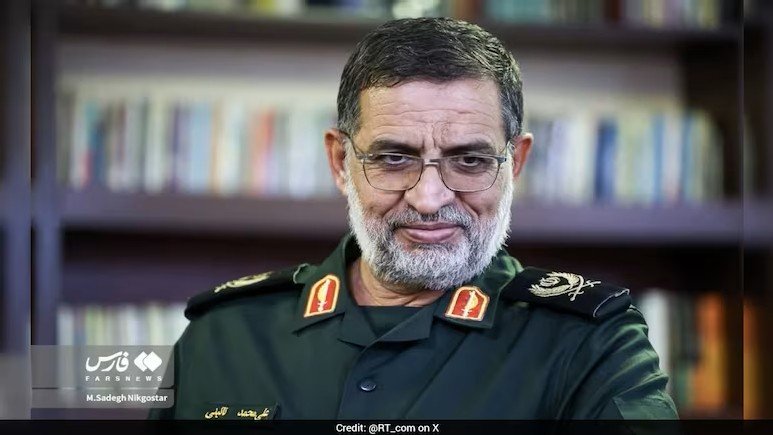
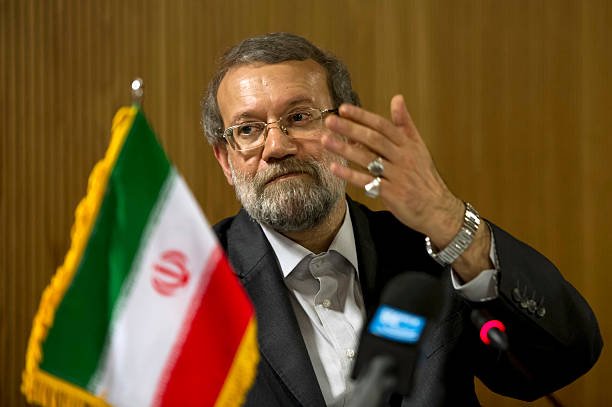

Israel has killed another senior Iranian official. Ali Larijani, the head of Iran’s Supreme National Security Council, died in an air strike. His death removes one of the Islamic Republic’s most experienced and influential policymakers at a critical moment. Larijani was not a military commander, but he shaped Iran’s most important decisions on war, diplomacy, and national security. His loss leaves a gaping hole in Iran’s leadership structure.
Who Was Ali Larijani
Larijani sat at the center of Iran’s decision-making process. As secretary of the Supreme National Security Council, he managed the country’s confrontation with the United States and Israel. His voice carried weight across the entire system.
After the killing of Supreme Leader Ali Khamenei on February 28, Larijani struck a defiant tone. He signaled that Iran was ready for a long conflict. He argued for expanding the war across the region and beyond, including closing the Strait of Hormuz.
Despite his hardline stance against the West, Larijani was known inside Iran as a pragmatist. He combined ideological loyalty with a calculated, technocratic approach. He was deeply skeptical of engaging with Western powers, but he also played key diplomatic roles, including helping to negotiate Iran’s long-term cooperation agreement with China.
A Pattern of Targeted Killings
Larijani’s death is not an isolated event. Several senior Iranian officials and commanders have been killed in recent weeks. This pattern points to a sustained effort to weaken Iran’s leadership during wartime. The strikes are systematically removing experienced figures, leaving gaps that become harder to fill with each loss.
The Three Crises He Was Managing
At the time of his death, Larijani was handling three major crises at once.
The first was the war itself. He believed Iran should prepare for a prolonged struggle and expand the conflict.
The second was domestic unrest. Economic grievances had sparked protests that grew into wider calls to overthrow the Islamic Republic. The government’s crackdown killed thousands.
The third was Iran’s nuclear program. Stalled negotiations with Washington had already been disrupted by military strikes. Larijani was involved in those talks. Now they are left unfinished.
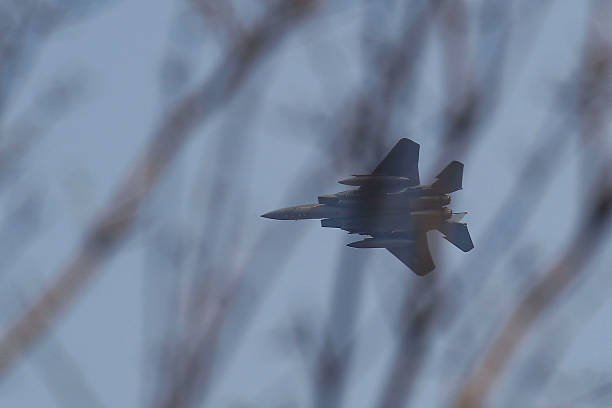
His removal transfers all three crises to an unknown successor. That person will face an extremely fragile situation. Iran has shown resilience by disrupting global energy markets, but its airspace remains open to continued strikes. Any new senior figure will be an immediate target.
What Happens Next
Power may shift further toward the military. Recent comments by President Masoud Pezeshkian suggest that armed forces units have been given broad authority to act if senior leaders are incapacitated. Decisions may come faster, but with less central coordination.
Iranian army chief Amir Hatami has already threatened a “decisive” retaliation for Larijani’s death. The rhetoric is hardening.
Signs of Internal Strain
There are also signs that Iran’s leadership is struggling to manage succession. Public announcements have been delayed. Some figures, including new Supreme Leader Mojtaba Khamenei, have stayed largely out of sight. Whether this is for security reasons or due to internal uncertainty is not clear.
In the short term, the likely outcome is more volatility. A harder military posture in the war. Harsher repression at home.
The Long-Term Problem
Over time, a system that keeps losing senior figures will find it harder to function. Iran has more than 90 million people. Running it requires experienced leaders. Larijani’s death is not just the loss of one official. It deepens a leadership crisis that could affect both the course of the war and the stability of the Iranian state itself.
Israel’s strike on Ali Larijani removes a key strategist from Iran’s war cabinet. He managed three major crises at once. Now all three land on someone else’s desk. The system is weakened. The successors are unknown. The strikes keep coming. And the army is promising revenge. Iran’s leadership is in its most fragile state since the revolution.

 By
By