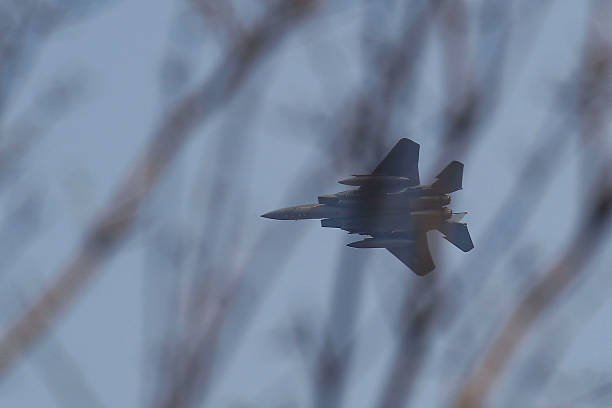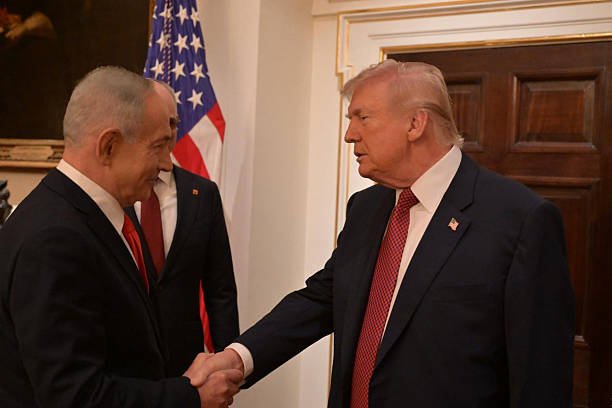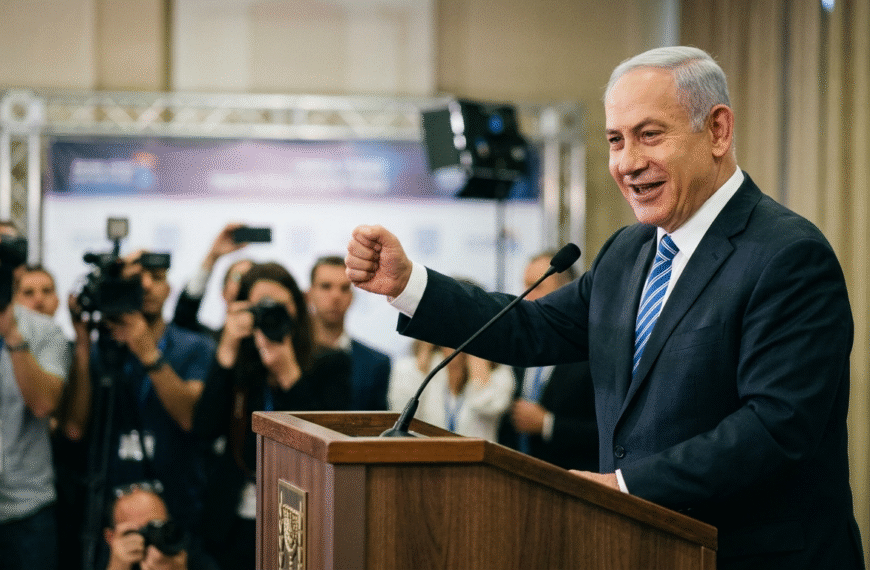
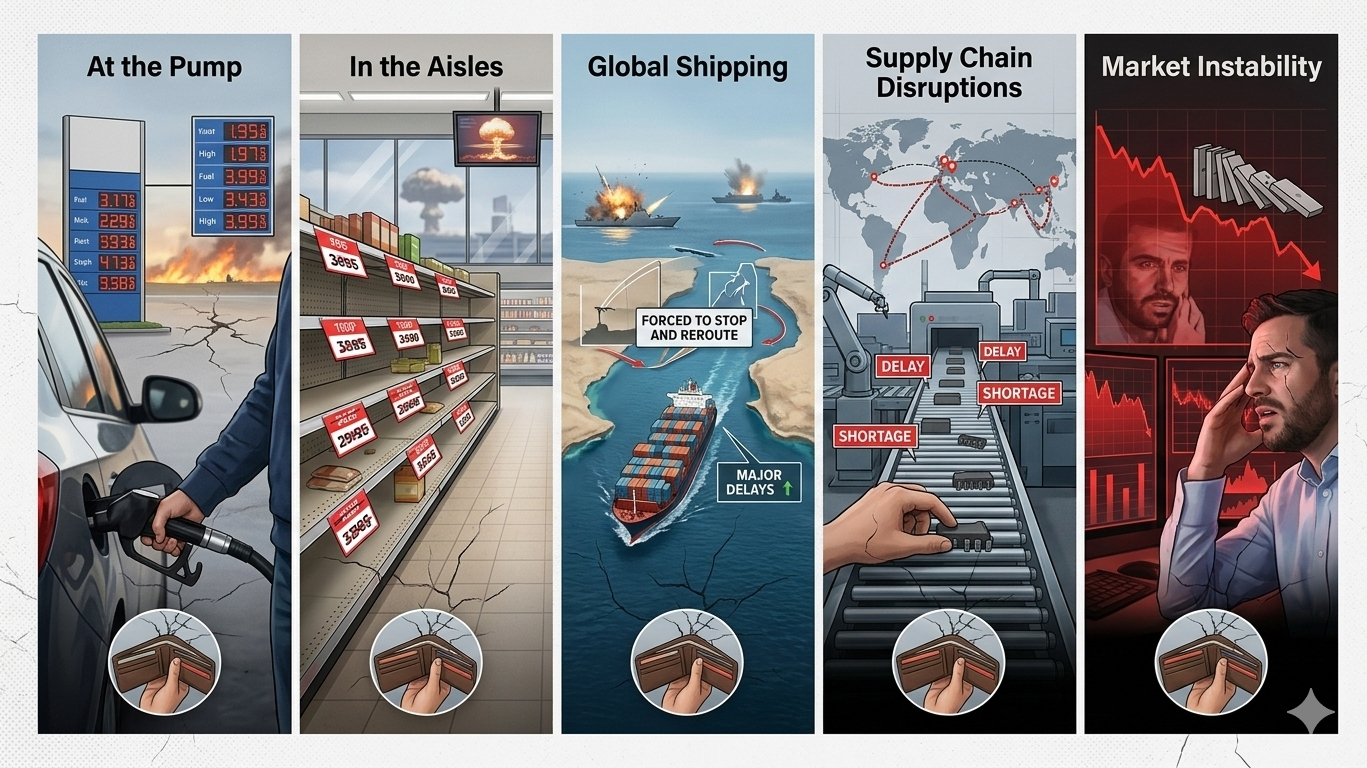

The conflict in Iran is not staying in the Middle East. Its effect are ripping across the globe, touching everything from the price of petrol to the cost of your weekly grocery shop. The region is a key player in energy supplies and global shipping routes. When trouble erupts there, the whole world feels it. Here are five ways this war could affect your day – to – day life.
1. Petrol and Diesel Prices Are Already Rising
Fuel prices have jumped since conflict began. Oil and gas production across the region has slowed or stopped entirely in many areas. Transport routes are disrupted. The result is higher costs at the pump.
In the UK, petrol rose by 3p per litre between Saturday and Thursday. Diesel went up by 5p per litre. In the US, petrol prices climbed about 23 cents per gallon in just one week. Diesel jumped 41 cents per gallon over the same period.
These increases are real, but they are nothing like what happened after Russia invaded Ukraine in 2022. Back then, UK petrol prices soared by more than 43p per litre in four months. US prices topped $5 a gallon. For now, the current rise is more modest. But if the conflict drags on, those numbers could climb higher.
2. UK Gas Prices Have Nearly Doubled
Natural gas prices in the UK have shot up. Since Saturday, they have almost doubled. On Tuesday, prices hit levels not seen since the first year of the Ukraine war. They have since dropped slightly but remain significantly higher than before the conflict.
There are fears this could repeat the energy crisis of 2022, when gas prices peaked at over 600p a therm. That spike forced the UK government to step in with a £400 energy bill discount for millions of households.
For now, UK consumers are protected by the energy price cap, which runs until July. But if gas prices stay high, that cap could rise. Your summer energy bills might end up costing more.
3. Shipping Costs Could Hit Store Shelves Later
The Strait of Hormuz is a critical waterway for global trade. Traffic through it has nearly stopped. Iran threatened to “set fire” to ships, and about 200 tankers are now effectively stranded. Insurance premiums for vessels, especially those linked to the US, UK, or Israel, have skyrocketed.
The cost to hire a supertanker moving oil from the Middle East to China hit an all-time high of over $400,000 per day. That is almost double last week’s rate.
Shipping experts say rising fuel costs will force carriers to raise rates globally. Most of the world’s traded goods move by sea. When shipping gets expensive, everything gets expensive. The International Monetary Fund warns that shipping costs are an important driver of inflation. The impact on store prices takes time to build, peaking about 12 months after the initial rise. You may not feel it today, but you could feel it next year.
4. Fertiliser Prices Are Up a Fifth
Fertiliser is essential for growing food. Farmers rely on it to give crops the nutrients they need. The Middle East is a major producer of key fertiliser ingredients. The Strait of Hormuz is a key route for both fertiliser and the natural gas used to make it.
QatarEnergy, one of the world’s biggest gas exporters and a major urea producer, has stopped production after military attacks on its facilities. The US futures price for urea jumped 21 percent in one week, reaching $567 per tonne.
It is too early to say if this will translate to higher food prices. Any change would not be instant. But if fertiliser stays expensive, farmers pay more, and eventually, so do shoppers.
5. Inflation’s Downward Trend Is Now Uncertain
Inflation has been falling in the UK and globally. In February, UK inflation dropped to 3 percent. Before the conflict, the Bank of England believed it could reach its 2 percent target by April. The US saw inflation ease to 2.4 percent in January. The Eurozone was also on a downward trend.
Now that is less certain. If the war pushes energy and shipping costs higher, inflation could reverse course and start climbing again. That would mean prices rising faster for consumers.
If that happens, central banks may hold off on cutting interest rates. Some analysts now predict fewer rate cuts this year in the UK, and some even expect a rise. For anyone with a mortgage, that is bad news. Tracker rates would go up. New fixed deals would cost more. Savers might benefit from higher returns, but for most people, the pain would outweigh the gain.
The Iran war is not just a distant conflict. It is a live wire connected to your petrol tank, your heating bill, your grocery cart, and your mortgage rate. Some effects are already visible. Others will take months to arrive. How bad it gets depends on how long the fighting lasts and how far it spreads. For now, the only certainty is uncertainty.


 By
By