
Hair extensions have become a beauty staple for millions. They add length, volume and instant glamour. Natural hair extensions, in particular, are seen as the premium choice. But a new study has uncovered something alarming. Even natural hair extensions may contain toxic chemicals linked to cancer, hormone disruption, and respiratory problems. Here is what you need to know before your next salon visit.
What the Study Found
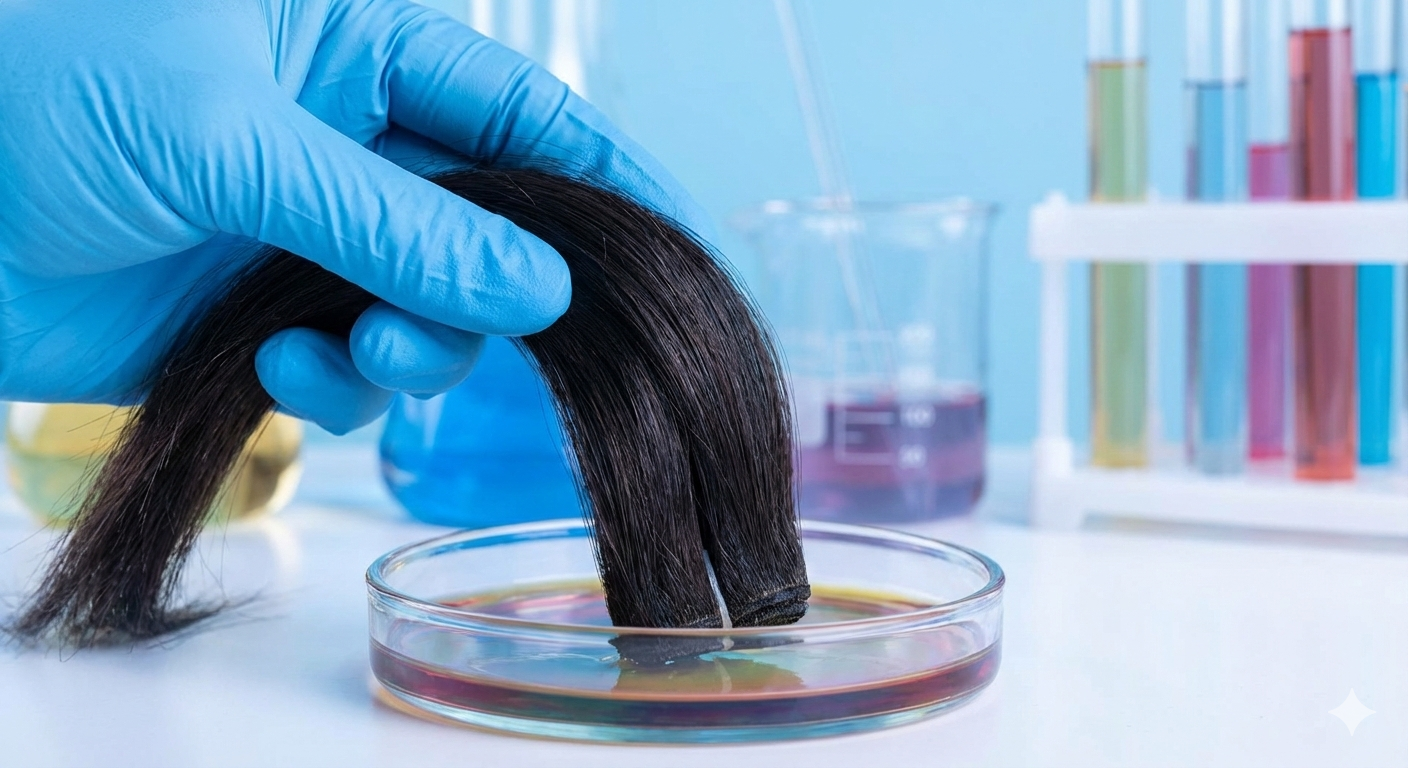
Researchers tested 44 samples of hair extensions. They discovered a wide range of hazardous compounds, including volatile organic compounds (VOCs), endocrine disruptors, and known carcinogens like benzene and formaldehyde. These chemicals do not just sit on the hair. When you apply heat through styling tools, they can be released into the air you breathe and absorbed through your scalp.
The study warns that prolonged contact, combined with regular heat styling, can significantly increase your chemical exposure. While finding these chemicals does not automatically mean harm will occur, it highlights a major gap in how beauty products are regulated.
Why This Matters in India
India is one of the largest markets for natural hair extensions. States like Tamil Nadu and Andhra Pradesh are major suppliers of temple hair, hair donated by devotees for religious reasons. A 2024 report found that hair products in India often lack transparent labeling. Consumers have no way of knowing what chemical treatment were used during processing.
Even people who donate their hair for noble causes are often unaware that their hair may be chemically processed and sold commercially. Salons frequently use adhesives and bonding agents that contain formaldehyde or other harsh chemicals. This puts both clients and salon workers at risk.
A study from AIIMS Delhi documented rising cases of contact dermatitis and respiratory allergies among salon workers. The issue is not just personal. It is occupational and public health.
Who Is Most at Risk
Anyone using hair extensions could be exposed. But some groups face higher risks.
- Cancer patients undergoing chemotherapy often use extensions to maintain their appearance. Their bodies are already under significant stress. Adding chemical exposure could further compromise their health.
- People with hair loss conditions may rely on extensions for longer periods, increasing cumulative exposure.
- Salon workers handle these products daily. They inhale fumes from adhesives and have repeated skin contact with treated hair.
- Young women using extensions regularly for fashion may not realize they are exposing themselves to chemicals with long – term health effects.
Six Health Risks Linked to Toxic Chemicals
The chemicals found in hair extensions have been extensively studied. Here is what they can do.
1. Cancer Risk
Benzene and formaldehyde are classified as known human carcinogens. Long – term exposure increases the risk of developing certain cancers, including leukemia and nasal cancers.
2. Hormone Disruption
Phthalates are chemicals that interfere with the body’s endocrine system. They can mimic or block natural hormones, potentially affecting fertility, thyroid function, and reproductive health.
3. Respiratory Problems
Volatile organic compounds are released into the air, especially during heat styling. Inhaling these fumes can trigger asthma attacks, cause chronic cough, and irritate the lungs.
4. Skin Reactions
Many people develop contact dermatitis from hair extensions. Symptoms include itching, redness, scaling, and inflammation of the scalp. The adhesives used to attach extensions are common cluprits.
5. Allergic Reactions
Latex, acrylates, and metals used in extension applications can cause serious allergic reactions. In rase cases, these reactions can be severe enough to cause anaphylaxis.
6. Traction Alopecia
Beyond chemical risks, the physical weight and tension of extensions can pull on hair roots. Over time, this causes a form of hair loss called traction alopecia. Once the follicles are damaged, hair may never grow back.
The Problem with Permanent Extensions
How long you keep extensions in matters. Clip – in extensions are removed daily, limiting exposure. But tape -in or bonded extensions stay in for weeks or months. Chemicals have more time to leach into your scalp. Adhesives break down over time, potentially releasing more compounds. You cannot easily wash the hair to remove surface chemicals. The risk is significantly higher with permanent attachment methods.
Why Regulation Is Urgent
In Europe, cosmetic products face strict safety standards. India’s beauty industry remains loosely regulated. Imported hair extensions often enter the country without any chemical safety checks. Domestic products rarely disclose what processing agents were used.
The Indian hair extension market is valued at over 250 crore rupees. With numbers this large, the lack of oversight is concerning. Experts are calling for stronger regulation, mandatory ingredient labeling, and public awareness campaigns.
How to Protect Yourself
You do not have to give up extensions entirely. But you can take steps to reduce your risk.
Choose certified products. Look for extensions labeled as chemical – free or tested for safety. Be skeptical of vague claims.
Limit adhesive use. Clip – in extensions avoid glues and bonding agents entirely. They are the safer choice.
Avoid heat styling. Heat releases VOCs into the air. If you must use heat, work in a well – ventilated space.
Wash before use. Thoroughly washing new extensions may remove some surface chemicals before they touch your scalp.
Give your scalp breaks. Do not wear extensions continuously. Allow your scalp time to recover between applications.
Ask questions. Before getting extensions, ask your salon about sourcing and chemical treatments. A reputable salon should be able to answer.
What Salon Workers Should Know
If you work with hair extensions, your risk is higher. You handle these products daily and inhale fumes from adhesives.
- Work in well – ventilated areas.
- Wear a mask during application, especially when using adhesives.
- Use gloves to minimize skin contact.
- Take breaks between clients to reduce cumulative exposure.
Hair extensions can transform your look. But the new evidence is a wake – up call. Natural hair extensions are not necessarily safe just because they come from humans. The processing, the adhesives, and the lack of regulation all create hidden risks.
For Indian consumers, where temple hair and salon culture are deeply embedded, awareness is critical. Beauty should not come at the cost of your health. By choosing safer alternatives, asking the right questions, and demanding transparency from manufactures, you can protect yourself. The study proves that what you cannot see can still hurt you. It is time to look closer at what we put on our bodies.


 By
By