
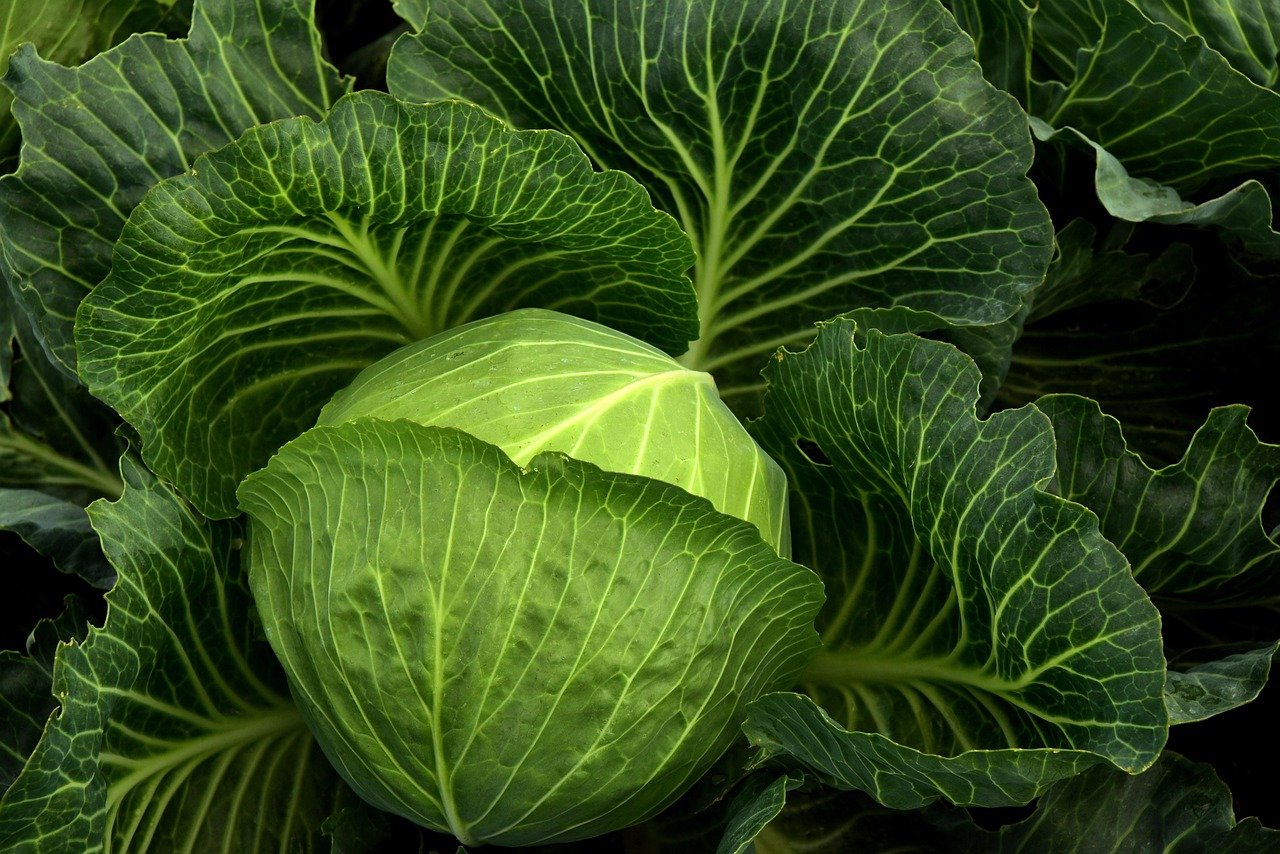

Cabbage is a nutritious and versatile vegetable, but its tightly packed leaves can hide unwanted guests like tiny worms and pesticide residue. Simply rinsing it under water isn’t enough for a thorough clean. By following a few easy steps, you can ensure your cabbage is safe, clean, and ready for your favorite receipes.
Why Proper Cleaning is Essential
Cabbage grows close to the ground, and its layered structure provides ideal hiding spots for soil, small insects, and chemical residues from farming. A proper cleaning routine removes these contaminants, protecting you from potential germs and ensuring your meals are both healthy and hygienic.
A Step-by-Step Guide to Clean Cabbage
Follow these simple steps to clean cabbage thoroughly at home.
1. Remove the Outer Leaves
Start by peeling off and discarding the outer two or three leaves. These leaves have the most exposure to dirt, insects, and environmental contaminants.
2. Cut and Separate the Cabbage
Cut the cabbage into halves or quarters. This opens up the layers, making it much easier to inspect and clean the inner leaves where worms might be hiding.
3. Soak in Salt Water
Place the cut cabbage in a large bowl of warm water. Add 1- 2 tablespoons of salt and stir to dissolve. Let it soak for 10-15 minutes. The salt helps to draw out any hidden insects and loosen debris from between the leaves.
4. Rinse Under Running Water
After soaking, take the cabbage pieces and rinse them thoroughly under cool running water. Gently separate the leaves with your fingers to ensure water flows through all the layers, washing away any dislodged particles.
5. Use a Vinegar Rinse (Optional but Effective)
For an extra level of cleanliness, prepare a second bowl with cool water and add one tablespoon of white vinegar. Soak the cabbage for 5- 7 minutes. Vinegar acts as a natural disinfectant, helping to eliminate bacteria and further encourage any remaining pests to detach.
6. Final Inspection and Rinse
Give the cabbage one final, thorough rinse under running water. As you rinse, gently separate and visually inspect the leaves to ensure no insects or dirt remain. Once clean, it’s ready to be chopped, cooked, or stored.
Cleaning cabbage properly is a quick but vital step for food safety. This simple process – removing outer leaves, cutting, soaking in salt water, and using a vinegar rinse – effectively removes worms, dirt, and pesticides. Taking these few extra minutes ensures you and your family enjoy the full health benefits of this delicious vegetable with complete peace of mind.


 By
By