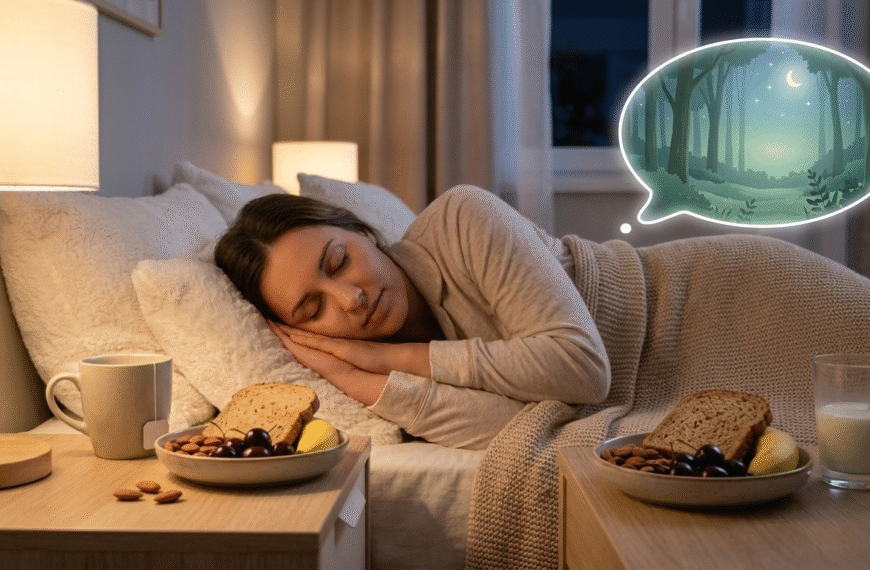


Sleep problems in children are becoming more common. Screens, school pressure, and busy schedules all make it hard for kids to wind down. In response, many parents are turning to a quick fix: melatonin. This hormone, which helps control the sleep – wake cycle, is now widely used by families around the world. It is easy to find, often sold over the counter, and marketed as a natural sleep aid. But new research warns that its popularity may be growing faster than the science needed to prove it is safe for children.
Why More Children Are Taking Melatonin
Sleep disturbances affect many school – age kids and teenagers. Late – night screen time, irregular bedtimes, and academic stress all play a role. Poor sleep can harm a child’s mood, learning, behavior, and long – term health. Parents want to help, and melatonin seems like an easy answer.
Child – friendly gummies and chewable tablets have made the hormone even more popular. Kids take them like candy. But that is part of the problem. A new review in the World Journal of Pediatrics shows that melatonin use has risen sharply worldwide, especially in countries where it is sold without a prescription. The gap between how many kids take it and how much we know about its long – term effects is growing.
What the Science Says
Melatonin is not just a vitamin. It affects not only sleep but also the immune system, metabolism, and reproductive development. For children with certain conditions, it can help.
Strong evidence supports short – term melatonin use in kids with autism or ADHD. These children often struggle with sleep because their internal clocks do not work properly. Melatonin can help them fall asleep faster and stay asleep longer. That improves life for the whole family.
But for healthy children without these conditions, the evidence is thin. Most studies are small or short – term. Researchers simply do not know if melatonin is safe for long – term use in healthy kids. They also do not know if it could affect puberty, hormones, or development over time.
Problems with Product Quality
Another concern is what is actually in the bottle. Independent testing has found that many melatonin supplements do not contain what the label claims. Some have much higher doses than listed. Others contain extra ingredients like serotonin, which can be dangerous.
This makes dosing unpredictable. A child might get a much stronger dose than parents realize. Young children are also accidentally eating melatonin gummies because they look like candy. Poison control centers report rising numbers of these cases.
Better Options Exist
Experts agree on one thing. Healthy sleep habits should come first. Before reaching for a supplement, families should try behavioral strategies that work without medication.
Keep bedtimes and wake times consistent, even on weekends.
Turn off screens at least an hour before bed.
Create a calm, quite routine to help kids wind down.
Make sure children get enough sleep for their age.
These steps can improve sleep without any risk.
If melatonin is truly needed, doctors recommend using the lowest dose for the shortest time possible. And it should only be used under medical supervision, not bought off the shelf without guidance.
Melatonin is not a harmless sleep candy. It is a hormone that affects the body in ways we are still learning about. For children with autism or ADHD, it can be a helpful tool under a doctor’s care. But for healthy kids, the risks are not fully understood. Until more research is done, experts say the safest approach is simple. Focus on sleep habits first. Leave the supplements on the shelf.


 By
By