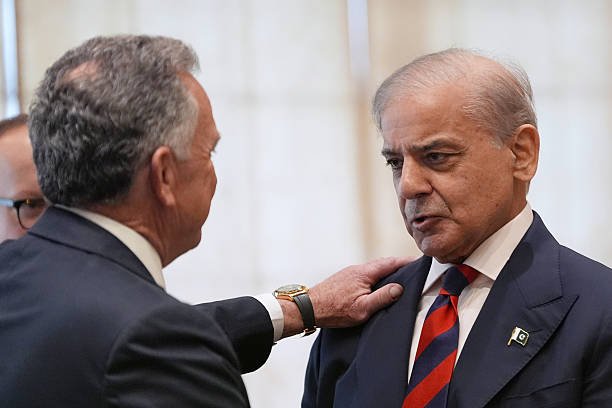

Prime Minister Shehbaz Sharif has warned that the ongoing US-Iran war is inflicting serious damage on Pakistan’s economy. Speaking at a cabinet meeting on Wednesday, he said the conflict has undone much of the economic progress made over the past two years. Pakistan’s oil import bill has surged from 300millionbeforethewarto300millionbeforethewarto800 million, placing immense pressure on the country’s finances.
The Economic Toll
Shehbaz noted that petroleum consumption in Pakistan has already started to drop compared to previous weeks. A task force has been formed to monitor the economic situation daily. The prime minister said collective efforts are needed to tackle the growing challenges.
Pakistan’s Diplomatic Role
Despite the economic pain, Pakistan has positioned itself as a key mediator. Shehbaz highlighted the marathon talks between Iran and the US held in Islamabad on April 11. Those negotiations lasted 21 hours and marked a significant diplomatic breakthrough. Pakistan’s military leadership, including Field Marshal Asim Munir and Deputy Prime Minister Ishaq Dar, played active roles in the discussions.
As a result of these efforts, the ceasefire between Iran and the United States was extended and continues to hold.
Meetings With Iran
Iranian Foreign Minister Abbas Araghchi visited Pakistan multiple times over the weekend. He held a two-hour session with Shehbaz and assured him that Iran would respond positively after consultations with its leadership. The prime minister also spoke with Araghchi by phone before the minister traveled to Russia.
Shehbaz expressed hope that the conflict would end soon. Pakistan plans to host a second round of talks between the United States and Iran.
The War So Far
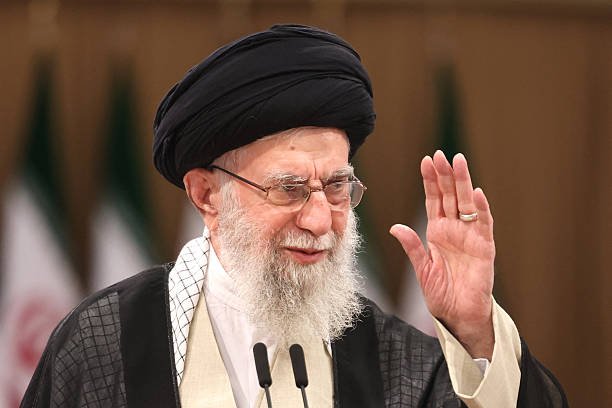
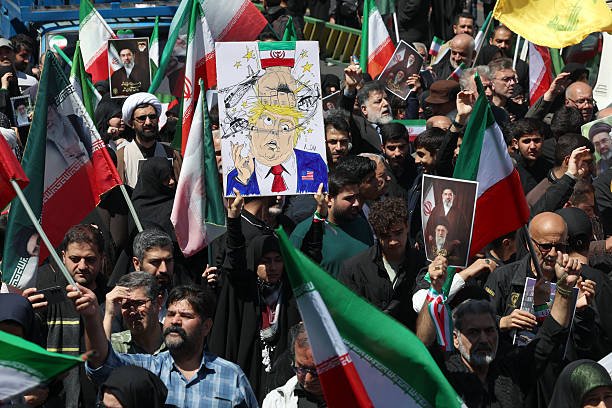
The war began on February 28 when the United States and Israel jointly attacked Iran. The strikes killed Iranian Supreme Leader Ayatollah Ali Khamenei and several top commanders. Iran’s retaliation extended the conflict to the entire Gulf region.
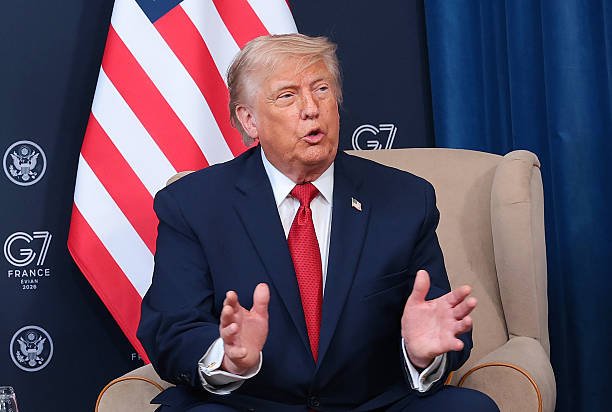
Last week, President Trump extended a two-week ceasefire with Iran indefinitely. The extension was meant to give Tehran more time to prepare a unified proposal to end the war. Trump has also said that US and Iranian officials can talk by phone to find a peace solution.
What Comes Next
Pakistan remains committed to promoting regional stability. But the cost of the war is already visible in the country’s soaring oil bills and reduced fuel consumption. For now, Islamabad walks a tightrope: helping broker peace while absorbing the economic shocks of a conflict it did not start.

 By
By