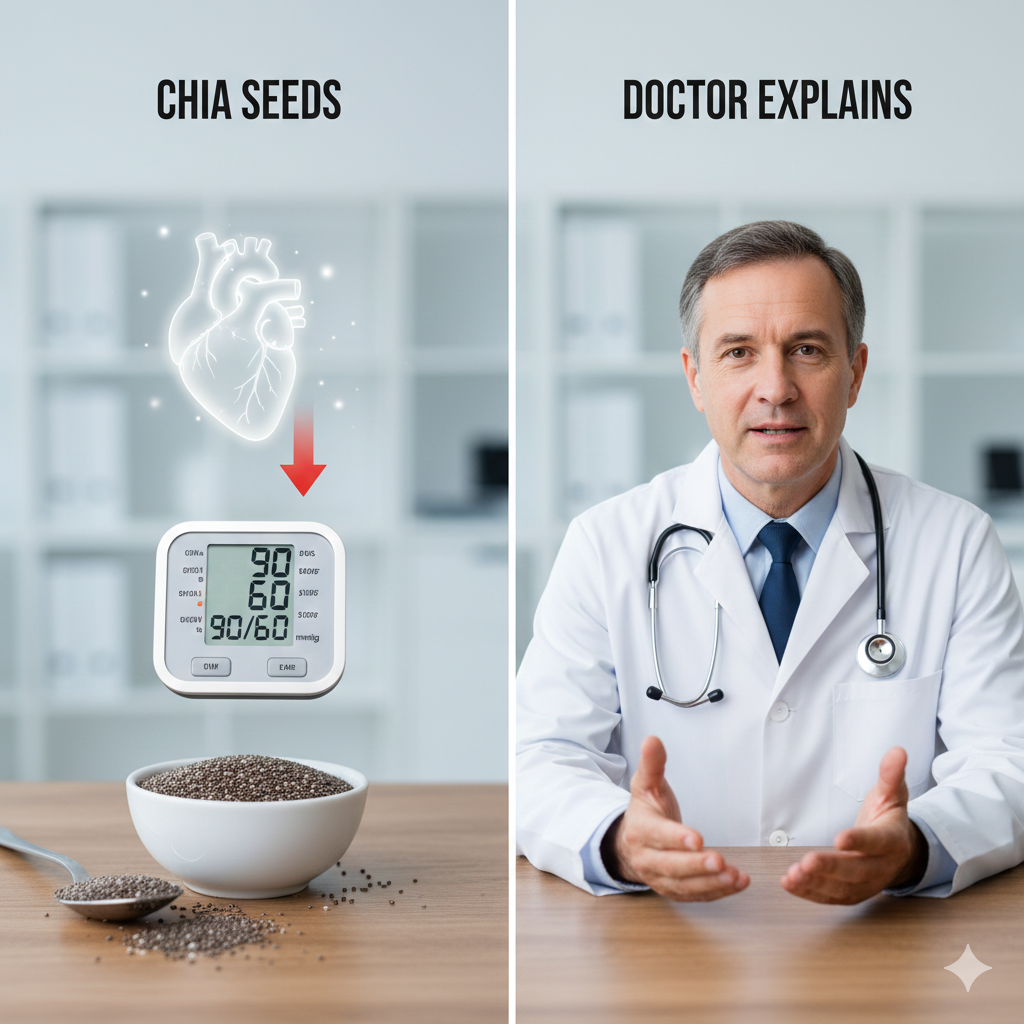

Chia seeds are everywhere these days. They are added to smoothies, oatmeal, puddings, and even backed goods. and for good reason. These tiny seeds are packed with nutrients. They are rich in omega-3 fatty acids, fiber, protein, vitamins and minerals. They support heart health, aid digestion, help with weight management, and may even stabilize blood sugar. But are they safe for everyone? If you have low blood pressure, the answer is not quite so simple. Here is what you need to know before adding chia seeds to your daily diet.
Why Chia Seeds Are Usually Good for You
First, let us look at why chia seeds are considered a superfood.
- Omega-3 fatty acids: These healthy fats reduce inflammation throughout the body. They also support heart healthy by improving cholesterol levels.
- High fiber content: Fiber aids digestion, keeps you feeling full longer, and helps regulate blood sugar.
- Antioxidants: These compounds protect your cells from damage caused by oxidative stress.
- Protein and minerals: Chia seeds provide plant – based protein along with calcium, magnesium, and phosphorus.
For most people, chia seeds are a simple, effective way to boost nutrition. But for those with naturally low blood pressure, there is a catch.
How Chia Seeds Can Lower Blood Pressure
Several nutrients in chia seeds have mild blood – pressure – lowering effects.
- Omega -3 fatty acids help reduce inflammation and improve blood vessel flexibility. This allows blood to flow more easily, which can lower pressure.
- Fiber supports better blood vessel function over time.
- Antioxidants reduce oxidative stress, which is linked to high blood pressure.
For someone with normal or high blood pressure, this is a good thing. It helps keep their numbers in a healthy range. But for someone whose blood pressure is already low, these same effects can push it even lower.
The Concern for People with Low Blood Pressure
Low blood pressure, also called hypotension, is not always dangerous. Many people live with naturally low readings and feel fine. But for others, low blood pressure causes symptoms like:
- Dizziness or lightheadedness
- Feeling faint or actually fainting
- Weakness and fatigue
- Blurred vision
- Nausea
If you already experience these symptoms, eating chia seeds could make them worse. The mild blood – pressure – lowering effects of the seeds may intensify your existing condition.
Should You Completely Avoid Chia Seeds?
Not necessarily. The key is moderation, not elimination.
Here is what experts recommended:
- Start with a small amount. Try one teaspoon instead of a tablespoon. See how your body reacts.
- Monitor your symptoms. Pay close attention to how you feel after eating chia seeds. If you notice increased dizziness or weakness, reduce your intake.
- Stay hydrated. Chia seeds absorb many times their weight in water. Without enough fluid, they can cause digestive discomfort. Proper hydration also helps regulate blood pressure.
- Be extra cautious if you take blood pressure medication. Some medications already lower your pressure. Adding chia seeds could have a combined effect. Always check with your healthcare provider before making significant dietary changes.
What the Research Says
Studies confirm that chia seeds can contribute to modest reductions in systolic blood pressure, the top number in a reading. This effect is well documented. However, researchers emphasize that chia seeds are not a replacement for medication. They work best as part of an overall healthy diet, not as a standalone treatment.
For people with hypertension, this is welcome news. For those with hypotension, it is simply something to be aware of and manage carefully.
Other Potential Side Effects of Chia Seeds
Blood pressure is not the only concern. Chia seeds can also cause:
- Digestive issues: Some people experience bloating, gas, or stomach discomfort when first adding chia seeds to their diet. This usually happens when they eat too much too quickly or do not drink enough water.
- Choking risk: Dry chia seeds expand rapidly when they come into contact with liquid. If you eat them dry and swallow without enough water, they can swell in your throat and cause blockage. Always soak chia seeds or mix them into moist foods.
Tips for Safely Adding Chia Seeds to Your Diet
Whether you have low blood pressure or not, these tips will help you enjoy chia seeds safely.
1. Soak them first. Let chia seeds sit in water, milk, or juice for at least 10 to 15 minutes before eating. They form a gel – like consistency that is easier to digest.
2. Start with a small serving. One teaspoon is plenty for the first few days. Gradually increase to one tablespoon if you tolerate it will.
3. Drink plenty of fluids. Chia seeds absorb liquid in your digestive tract. Without enough water, they can cause discomfort.
4. Listen to your body. If you feel dizzy, weak, or unusually tired after eating chia seeds, cut back.
5. Talk to your doctor. This is especially important if you take medication for blood pressure or have any chronic health condition.
Chia seeds are undeniably nutritious. They offer real benefits for heart health, digestion, and overall wellness. But no food is right for everyone. If you have low blood pressure, you do not need to ban chia seeds from your kitchen. You just need to approach them with awareness. Start small. Stay hydrated. Watch for symptoms. And when in doubt, ask a professional.
Your health is personal. What works for one person may not work for another. Chia seeds can still be part of a healthy diet, even with low blood pressure, as long as you treat them with the caution they deserve.


 By
By