
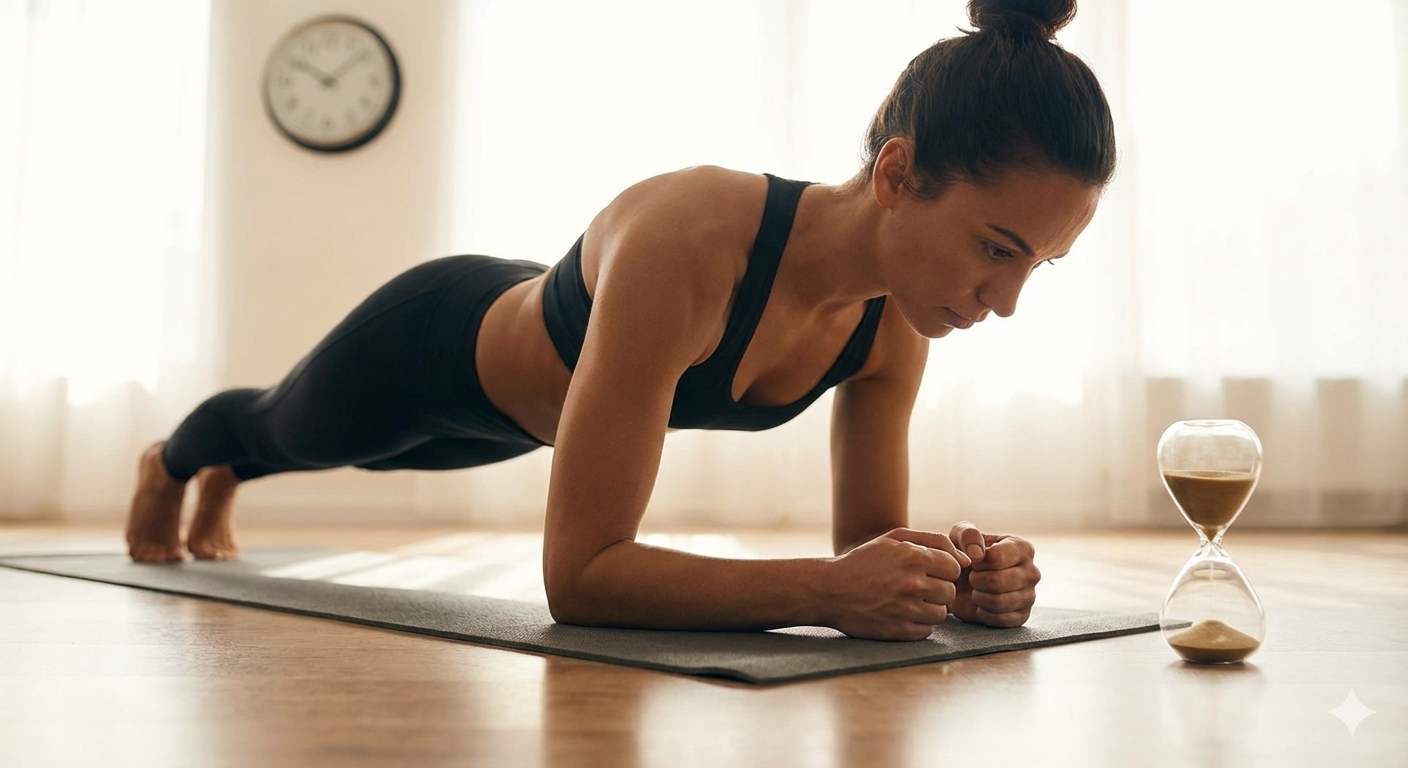

The plank is a superstar of bodyweight exercises. It requires no equipment, can be done anywhere, and delivers impressive results. But a common question puzzles many: how long should you actually hold it? The answer isn’t about setting a world record. It’s about smart, effective training. Let’s break down the ideal plank duration and the powerful benefits this simple pose provides.
How Long Should You Hold a Plank?
The ideal hold time isn’t one-size-fits-all; it depends on your fitness level and goals. Quality always trumps quantity.
- For Beginners: Start with short holds of 15 to 30 seconds. The priority is learning perfect form. Once you can maintain this comfortably, gradually add time.
- For Intermediate Exercises: Aim for 30 to 60 seconds. This duration is challenging and effective for building core endurance while maintaining proper alignment.
- For Advanced Individuals: Holding a solid plank for 60 to 120 seconds (2 minutes) is an excellent goal. Holding for much longer often leads to poor form. Instead of chasing endless minutes, advanced exercisers should introduce plank variations to increase difficulty.
The Golden Rule: Form Over Time
Holding a plank with incorrect form can strain your back and shoulders, negating the benefits. A 20-second perfect plank is far better than a 2-minute sloppy one.
Focus on this checklist:
- Keep your body in a straight line from head to heels.
- Engage your core and glutes (butt muscles).
- Keep your neck neutral, looking at the floor.
- Avoid letting your hips sag or rise too high.
What is a Plank and How Does It Work?
A plank is an isometric exercise, meaning you hold a static position. You support your body on your forearms (or hands) and toes, keeping everything tight and aligned. While you aren’t moving, your muscles are working intensely to maintain this position against gravity. It primarily targets your core but also engages your shoulders, back, and legs, making it a highly efficient full-body exercise.
Top Benefits of Doing Planks Regularly
Incorporating planks into your routines offers a wide range of health and fitness advantages:
1. Builds a Strong, Stable Core
Planks are one of the best exercises for strengthening your deep core muscles, including the transverse abdominis. A strong core is the foundation for all movement, improving balance, stability, and overall strength.
2. Improves Posture
By strengthening the muscles in your back, chest, and shoulders, planks help you stand taller. They counteract the slouching caused by sitting, promoting a healthier, more upright posture throughout the day.
3. Supports Back Health
A strong core acts like a natural corset for your spine. Planks help stabilize and protect your lower back, which can reduce the risk of pain and injury from daily activities or other exercises.
4. Enhances Overall Fitness
The full-body engagement of a plank improves muscular endurance. The muscle you build can also contribute to a higher metabolism, supporting weight management efforts when combined with good nutrition and cardio.
Can You Do Planks Every Day?
Yes, planks are generally safe to do daily because they are low – impact. However, listen to your body. Muscles need recovery. If you feel excessive soreness, consider taking a day off or alternating with other exercises. The key to progress is consistency with good form, not daily marathon sessions.
Forget holding a plank until you collapse. The secret to an effective plank is measured, controlled holds with impeccable form. Whether you start with 20 seconds or work up to two minutes, the focus should be on quality. By mastering this foundational exercise, you build a stronger core, better posture, and a more resilient body.


 By
By