
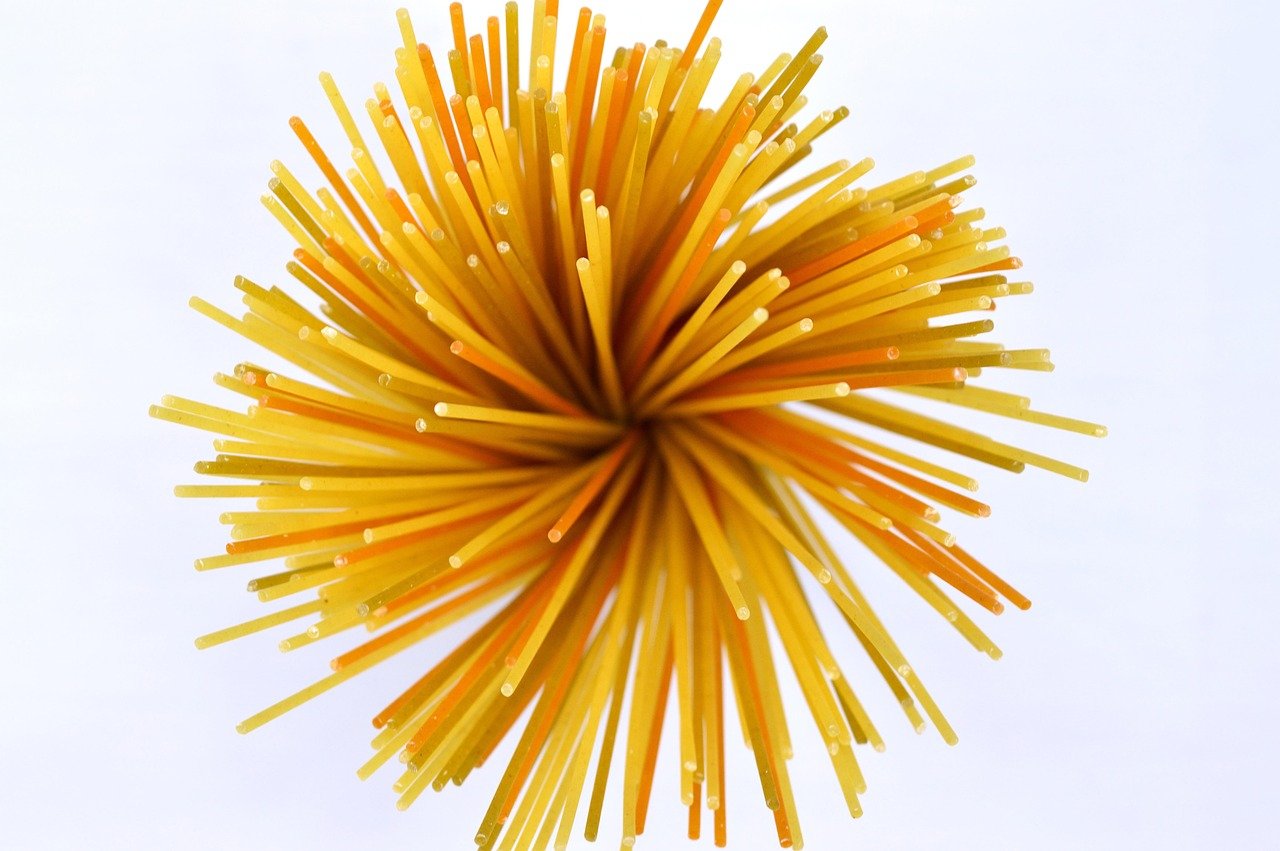

Spaghetti isn’t just a delicious meal—it’s a window into the mysteries of the universe. For decades, physicists have been fascinated by the humble pasta, using it to explore everything from the physics of brittle materials to the chemistry of food. What makes spaghetti so special? Its simplicity and unique properties have turned it into a playground for scientific discovery, revealing insights that go far beyond the kitchen.
One of the most intriguing questions physicists have tackled is: Why does spaghetti break into multiple pieces when you snap it? This seemingly simple question puzzled even the great physicist Richard Feynman, who spent an evening breaking spaghetti sticks in his kitchen. The mystery was finally solved in 2005 when researchers discovered that the initial break creates a shockwave, causing the pasta to splinter further. In 2018, MIT scientists found a solution: twisting the spaghetti before snapping it prevents the shockwave, allowing it to break cleanly into two pieces. This discovery not only solved a culinary curiosity but also deepened our understanding of how brittle materials behave.
But the science of spaghetti doesn’t stop at breaking it. Cooking spaghetti reveals another fascinating phenomenon: Why does it stay curved after boiling? In 2020, physicists explained this using the concept of “viscoelasticity,” a property that allows water to alter the pasta’s structure as it cooks. This irreversible change is a perfect example of how everyday materials can teach us about complex physical processes.

Spaghetti’s thinness has also sparked scientific innovation. Researchers at University College London used a technique called electro-spinning to create the world’s thinnest spaghetti, measuring just 0.1mm thick. This breakthrough isn’t just about pasta—it has potential applications in medicine and biotechnology, such as creating biodegradable alternatives to plastic nanofibers used in wound care and filtration.
Even the sauce on your spaghetti has scientific secrets. A group of Italian physicists studying abroad in Germany turned their frustration with cacio e pepe—a classic Roman dish—into a research project. They discovered that the sauce’s tendency to clump is due to the proteins in the cheese becoming stickier when heated. By adding starch, they found a way to prevent clumping, a solution that also ties into broader questions about the origins of life and the formation of cellular structures.
So, why do physicists love spaghetti? It’s simple, accessible, and full of surprises. From its mechanical properties to its chemical reactions, spaghetti offers a unique way to explore the fundamental principles of physics. Whether it’s breaking, cooking, or saucing, every step of the pasta-making process reveals something new about the world around us.
Spaghetti science reminds us that even the most ordinary objects can hold extraordinary secrets. It’s a testament to the curiosity of physicists, who find inspiration in everything from quantum mechanics to a plate of pasta. Next time you enjoy a bowl of spaghetti, remember: you’re not just eating dinner—you’re witnessing the universe in action.


 By
By