
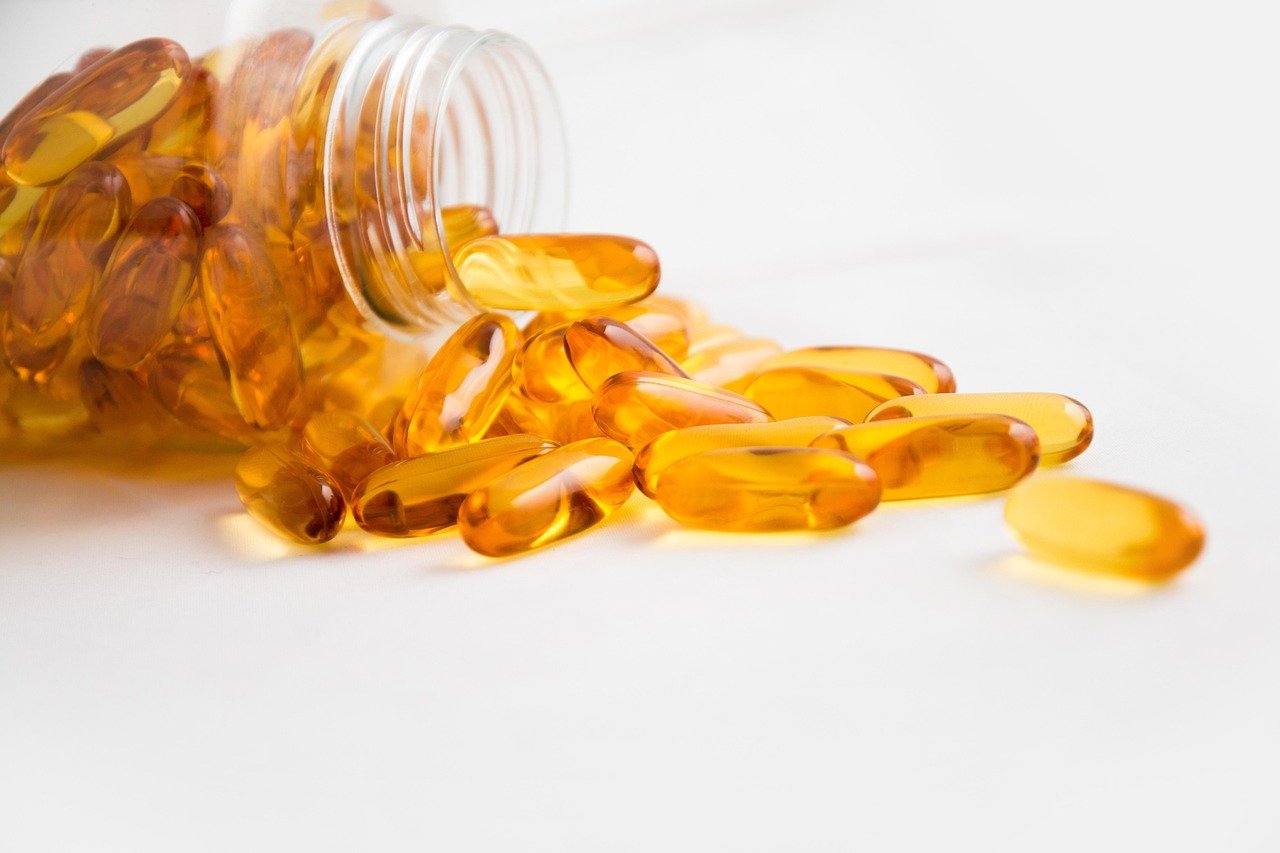

Fish oil supplements have become a daily ritual for millions. People take them believing they are protecting their heart, reducing inflammation, and supporting overall health. But new research suggests this one-size-fits-all approach may be dangerously oversimplified. For some people, fish oil may not be helping at all. In certain cases, it could even be making things worse. Here is what you need to know about why your fish oil might be failing you and when it could actually cause harm.
The Biological Key Your Body Needs
Fish oil does not work on its own. It requires a specific enzyme called ALOX15 to convert the fatty acids EPA and DHA into resolvins, which are the molecules that actually fight inflammation in your body.
Recent research has revealed a critical problem. Many people, especially those with chronic inflammation or early – stage cancer, have this enzyme switched off. Without ALOX15, your body cannot process fish oil properly. Even worse, the study found that in mice lacking this enzyme, fish oil actually accelerated tumor growth. Instead of protecting you, the supplement may be providing fuel for harmful cells to multiply.
This means your fish oil could be completely ineffective or actively harmful, and you would never know it without understanding your body’s biology.
Not All Fish Oil Is Created Equal
If you have ever stood in front of a shelf of supplements, you know there are countless options. But the differences matter more than most people realize.
The chemical form of your supplement changes how your body uses it.
- Ethyl ester forms are synthetic and harder for your body to absorb. Many inexpensive over – the – counter supplements use this form.
- Triglyceride forms are closer to what you would get from eating actual fish. They are more easily absorbed and utilized.
The research also found that EPA-only supplements performed better at reducing tumor size even when enzyme levels were low. DHA-heavy supplements, on the other hand, were largely ineffective or harmful without ALOX15.
You cannot assume one capsule is the same as another. The form matters deeply.
The Hidden Danger for High-Risk Individuals
For years, fish oil has been marketed as a prevention tool. Everyone assumed it was safe and beneficial. But for people with existing colon polyps or a family history of colorectal cancer, the advice is changing.
Here is what the research suggests. In a body that is already highly inflamed, the metabolic pathways can get hijacked. Instead of reducing inflammation, the extra fatty acids may provide the building blocks that cancer cells need to grow and multiply.
The timing of supplementation may also matter. Taking fish oil during certain stages of cellular mutation could unintentionally support the very processes you are trying to stop.
Colorectal cancer is the fourth most common cancer in India, with over 64,000 new cases reported in 2022. This is not a distant concern. It is a present reality. Understanding what you put into your body matters.
Poor Quality and Rancidity
Fish oil is unstable. It is a polyunsaturated fat, which means it oxidizes easily. When fish oil goes bad, it becomes rancid.
How can you tell? That fishy burp you experience after taking a supplement is not just unpleasant. It is often a sign that your oil has oxidized.
Consuming rancid oil means you are ingesting free radicals. Instead of reducing oxidative stress, you are adding to it. This can damage your DNA, promote cellular aging, and increase inflammation rather than reducing it.
Heat, light, and time all degrade fish oil. If your supplements have sat in a hot warehouse or on a bright store shelf for months, they may be doing more harm than good before you ever open the bottle.
The Problem with Blind Supplementation
We track our steps, our sleep, our heart rate. We monitor everything except what we put into our bodies.
Supplementation is still largely done blindly. Most people have no idea whether their body can actually use fish oil. They have never been tested for the enzymes that process it. They do not know if the form they are taking is absorbable or if their oil has gone rancid.
The research from Michigan Medicine and MD Anderson Cancer Center suggests that blanket recommendations for fish oil are outdated. In the future, doctors may need to test for ALOX15 activity before prescribing high – dose omega-3s. Personalized medicine is not a luxury. It is becoming a necessity.
What You Can Do Instead
Before you throw away your supplements, here are practical steps to take.
- Check the form. Look for fish oil in triglyceride form, not ethyl esters. It is more absorbable.
- Test for freshness. A good supplement should not smell strongly fishy. If it does, it may be rancid.
- Consider eating fish instead. Whole fish provides omega-3s along with proteins and antioxidants that help your body manage these fats naturally. The food matrix matters.
- Know your risk. If you have a family history of colorectal cancer or existing polyps, talk to a healthcare professional before taking high – dose fish oil.
- Do not assume more is better. Higher doses are not necessarily more effective. They may simply increase your risk of side effects.
Fish oil is not a harmless universal remedy. It is a biological intervention that interacts with your body’s unique chemistry. For some, it provides real benefits. For others, it may be useless. And for a small but significant group, it could actually be harmful.
The days of blind supplementation are ending. Personalized medicine is showing us that what works for one person may not work for another. If you take fish oil, ask yourself why. Do you know if your body can use it? Do you know if your supplement is fresh? Do you know your family history?
Your health is too important to leave to guesswork. Fish oil can be beneficial, but only when it is the right fit for your body. If it is not working, it is not helping. And in some cases, it could be hurting you more than you realize.


 By
By