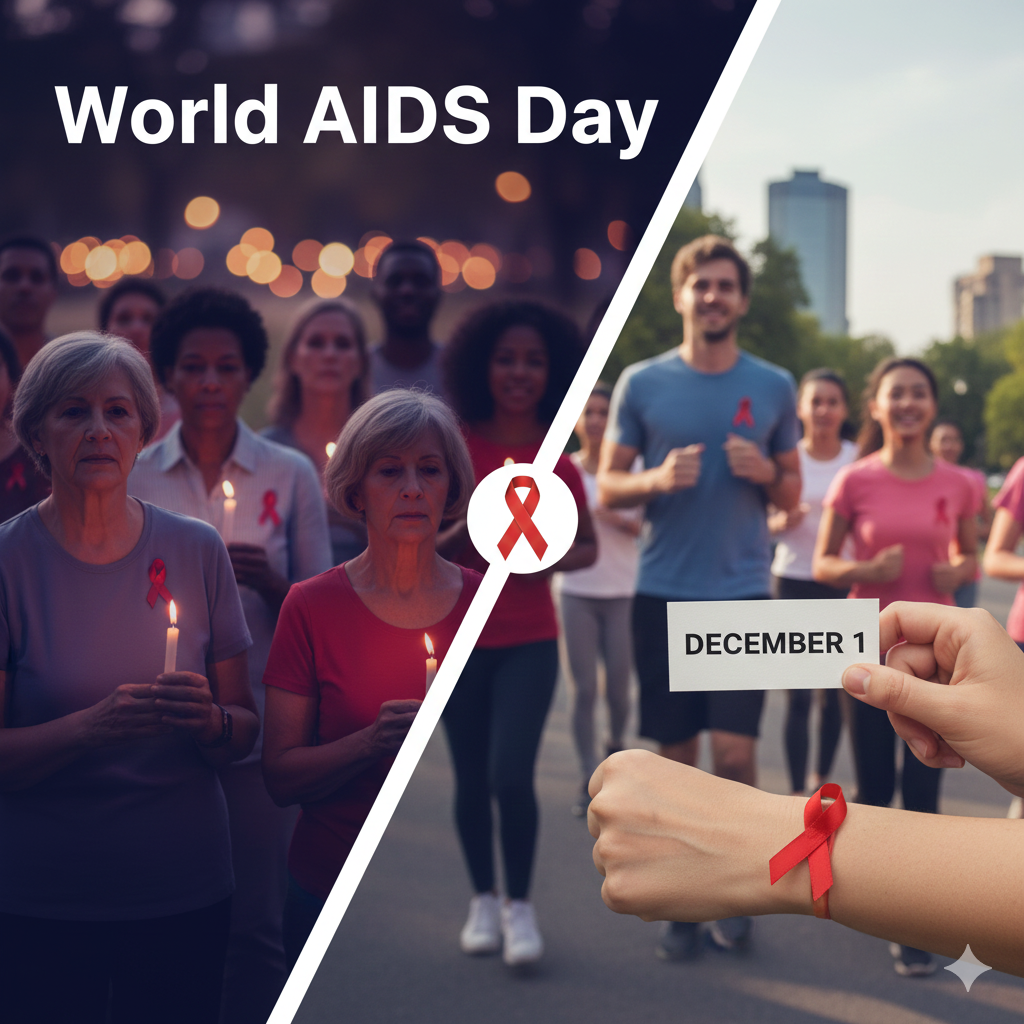

World AIDS Day serves as a vital reminder of the global effort needed to manage HIV. Early detection remains one of the most powerful tools in this effort. Knowing the initial signs if infection can lead to prompt testing and treatment, which not only preserves an individual’s health but also prevents the spread of the virus. However, these early symptoms are often subtle and easily mistaken for common illnesses like the flu, causing many people to miss a critical window for early intervention.
Recognizing the Early Signs
Soon after initial infection, many people experience a short illness known as acute HIV infection. This occurs as the body’s immune system reacts to the virus. The symptoms are general but commonly include:
- A persistent fever, often with chills.
- Unusual and extreme tiredness or fatigue.
- Muscle aches and joint pain.
- A sore throat and swollen lymph nodes in the neck, armpit, or groin.
- A red, spotty skin rash, usually on the trunk.
- Headaches, nausea, or diarrhea.
It’s important to note that these symptoms typically last for a week or two and then go away on their own, even without treatment. This is why they are so frequently overlooked. If you experience this cluster of symptoms, especially after a potential exposure, it is crucial to consider getting tested.
Why Early Testing is Critical
Identifying HIV early changes everything. Modern antiretroviral therapy (ART) is highly effective. Starting treatment promptly allows individuals to live long, healthy lives by suppressing the virus to undetectable levels in the blood. An undetectable viral load also means the virus cannot be transmitted to sexual partners, a concept known as “Undetectable = Untransmittable” (U=U). Early treatment also protects the immune system from severe damage or prevents the progression to AIDS.
What to Do If You Suspect Exposure
If you believe you may have been exposed to HIV or are experiencing the early symptoms mentioned, take these steps:
1. Get Tested: Do not wait. Visit a clinic or healthcare provider for an HIV test. Modern tests can detect the virus much earlier than in the past.
2. Ask about PEP: If you seek care within 72 hours of a high-risk exposure, you may be eligible for Post – Exposure Prophylaxis (PEP). This is a short course of medication that can prevent the virus from establishing an infection.
3. Be Honest with Your Doctor: Inform your healthcare provider about any potential exposures and your symptoms. This information guides them to the most appropriate test.
4. Start Treatment Immediately if Positive: If a test confirms infection, beginning ART as soon as possible is the best course of action for your health.
On World AIDS Day and every day, understanding the early signs of HIV is a key part of taking control of your health. These symptoms might mimic a common flu, but the context of potential exposure makes all the difference. If you have any suspicion, the most important action is to get tested. Today’s treatments are effective and accessible, turning an HIV diagnosis into a manageable health condition. Recognizing the signs early empowers you to seek care, protect your future, and help end the epidemic.


 By
By