
Imagine a simple, everyday nutrient that could help you live longer, feel better, and sharpen your mind. That nutrient is dietary fiber. Found in everyday foods like fruits, vegetables, and whole grains, fiber is a powerhouse for overall health, with exciting new research highlighting its special role in protecting our brain function as we age. Despite its benefits, most people are not eating enough. Let’s explore how this humble nutrient works and why it deserves a prime spot on your plate.
What Is Fiber and Why Do We Need It?
Fiber is a type of carbohydrate that our bodies cannot fully digest. Instead of being broken down for energy, it travels through our digestive system, performing crucial jobs along the way. It adds bulk to support digestion, helps us feel full after eating, and promotes stable blood sugar levels. Studies consistently show that people who eat more fiber tend to have healthier body weights and a significantly lower risk of serious health conditions like heart disease and type 2 diabetes. In fact, meeting the daily fiber recommendation is linked to a longer lifespan.
The Gut-Brain Connection: Fiber’s Secret Pathway
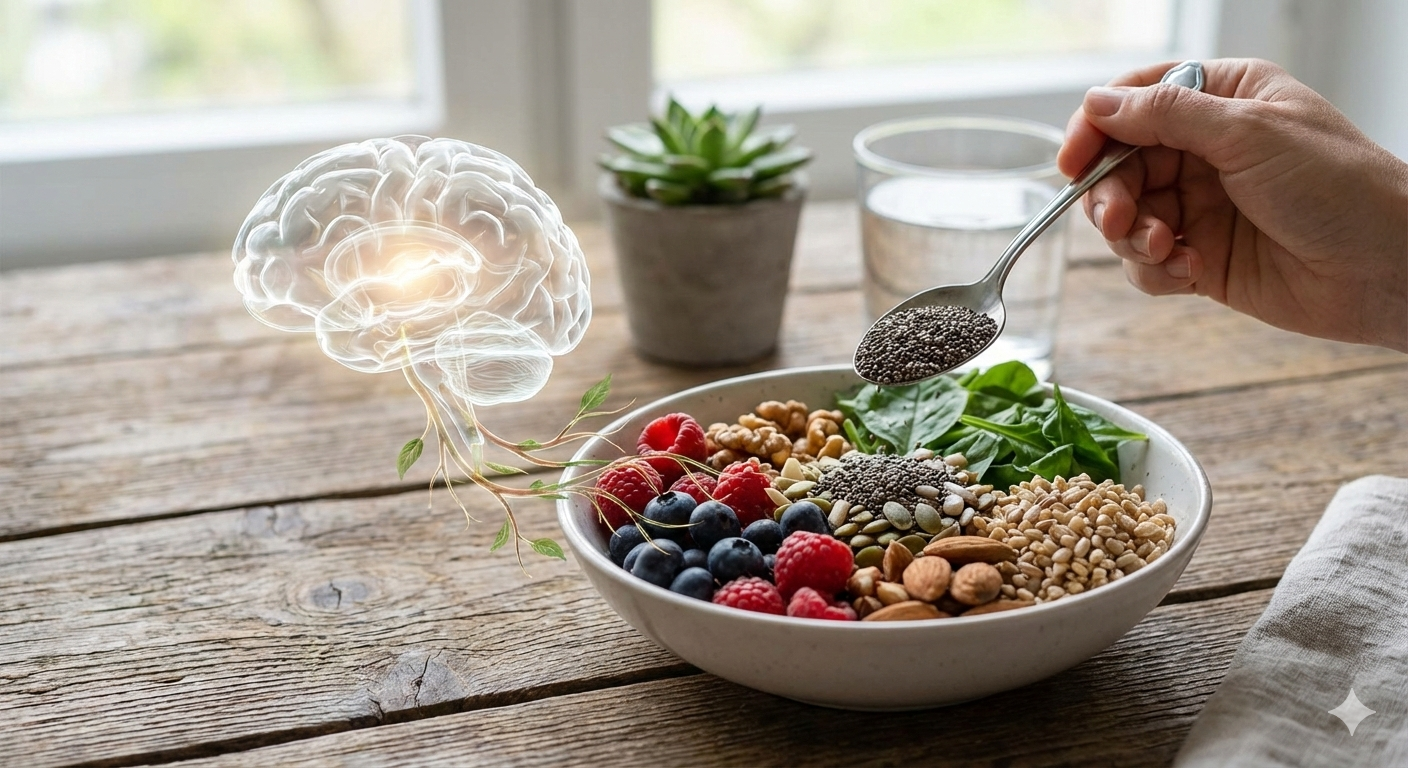
The profound benefits of fiber extend far beyond digestion, thanks to the gut – brain axis. This is a direct communication network linking your digestive system and your brain. When you eat fiber, it feeds the trillions of beneficial bacteria in your gut, known as the microbiome. As these good bacteria digest fiber, they produce vital substances called short – chain fatty acids. One of these, butyrate, is a superstar for brain health. It helps maintain a strong gut lining, preventing harmful substances from entering the bloodstream and potentially reaching the brain. This process is now understood to be a key way fiber supports cognitive function.
Fiber for a Sharper Mind and Stronger Memory
How does this translate to actual brain protection? Observational studies involving thousands of adults have found a clear link: people with higher fiber intake have a lower risk of cognitive decline and conditions like dementia. More importantly, recent controlled research provides stronger evidence. One study found that adults who took a daily fiber supplement showed measurable improvements in memory tests within just three months, alongside positive changes in their gut bacteria. This suggests fiber doesn’t just correlate with brain health – it can actively help enhance it by fostering a healthier gut environment.
Simple Ways to Boost Your Fiber Intake
The good news is that increasing your fiber intake is both achievable and enjoyable. The recommended daily goal is around 30 grams. You can reach this by incorporating more plant – based foods into every meal.
- Start with Swaps: Choose whole – grain bread, pasta, and brown rice over refined white versions.
- Load Up on Plants: Make vegetables, fruits, pulses, (like lentils and chickpeas), nuts, and seeds the stars of your diet.
- Smart Snacking: Opt for fiber – rich snacks such as an apple with skin, a handful of almonds, or air – popped popcorn.
- Mix It In: Add beans to soups, blend oats into smoothies, or toss seeds onto salads and yogurt.
Focusing on variety is also crucial, as different fibers feed different beneficial bacteria, leading to a more diverse and resilient microbiome.
Dietary fiber is much more than a tool for digestive health. It is an essential nutrient that fuels a healthy gut, which in turn communicates directly with and protects the brain. By making a conscious effort to include more whole grains, fruits, vegetables, and legumes in your daily diet, you are taking a powerful, science – backed step toward preserving your cognitive sharpness and supporting your long – term well – being. It’s a simple dietary change with potentially profound rewards for your mind and body.


 By
By