


Winter is a season of warm meals and cozy comfort, but it also brings a common problem for many people: slow digestion. Feeling heavy, bloated or sluggish during colder months is normal. This slowdown happens because of changes in food choices, reduced hydration, lower physical activity and the body’s natural response to cold temperatures. Understanding why digestion slows is the first step toward improving it.
One natural remedy that can help manage this winter slowdown is ginger. This powerful root can support digestion, improve metabolism, and help with weight management. With a few simple lifestyle changes and the use of ginger, many people can find relief from winter discomfort.
Why Ginger Helps Digestion And Metabolism
Ginger contains active compounds that gently stimulate the body and support digestive function. It also generates warmth, which can be helpful in cold weather. Research suggests that gingerol, one of its main compounds, can support metabolism and may help reduce fat around the abdominal area. Here are the main ways ginger supports digestion and weight goals.
Helps The Gut Work Faster
One of the strongest benefits of ginger is its ability to support quicker movement of food from the stomach to the small intestine, a process known as gastric emptying. When food stays in the stomach for too long, it can cause bloating and indigestion. Ginger helps reduce this heaviness, especially after winter meals that are rich, oily or heavy. Regular use of ginger can support smoother digestion and help reduce discomfort.
Supports A Faster Metabolism
Ginger naturally increases warmth in the body. This small rise in body temperature can support a higher metabolic rate. When metabolism increases, the body burns more calories throughout the day, even at rest. This is especially helpful in winter when activity levels are lower. Because of this small metabolic push, ginger can be a supportive tool for weight management.
Reduces Bloating And Calms Inflammation
Cold weather and stress can cause low-level inflammation in the body, affecting digestion and metabolism. Ginger helps calm this inflammation, especially in the digestive system. This may reduce bloating, stomach discomfort and irritation. When inflammation is reduced, the body can absorb nutrients better and digestive health improves overall.
Common signs of inflammation in the gut include:
Uncomfortable bloating
A heavy or tight feeling in the stomach
General stomach discomfort
By adding ginger regularly, people may support healthier digestion and improved nutrient absorption.
Supports Fat Digestion
Winter foods often contain more fat, which can be harder to digest. Ginger helps the body produce bile and digestive enzymes that break down fats more effectively. When fat digestion improves, the body can use these nutrients more efficiently. Some studies also suggest that consistent ginger use may support a healthier waistline and reduce fat storage over time.
Helps Control Appetite And Supports Fullness
Ginger may help reduce sudden hunger or cravings, especially when taken in the morning. It promotes a feeling of fullness, which supports better control over daily calorie intake. When people feel satisfied for longer, it becomes easier to follow a balanced eating plan. This effect supports steady and sustainable weight management throughout the winter season.
Simple Ways To Add Ginger To Your Routine
There are easy ways to consume ginger as part of a daily routine:
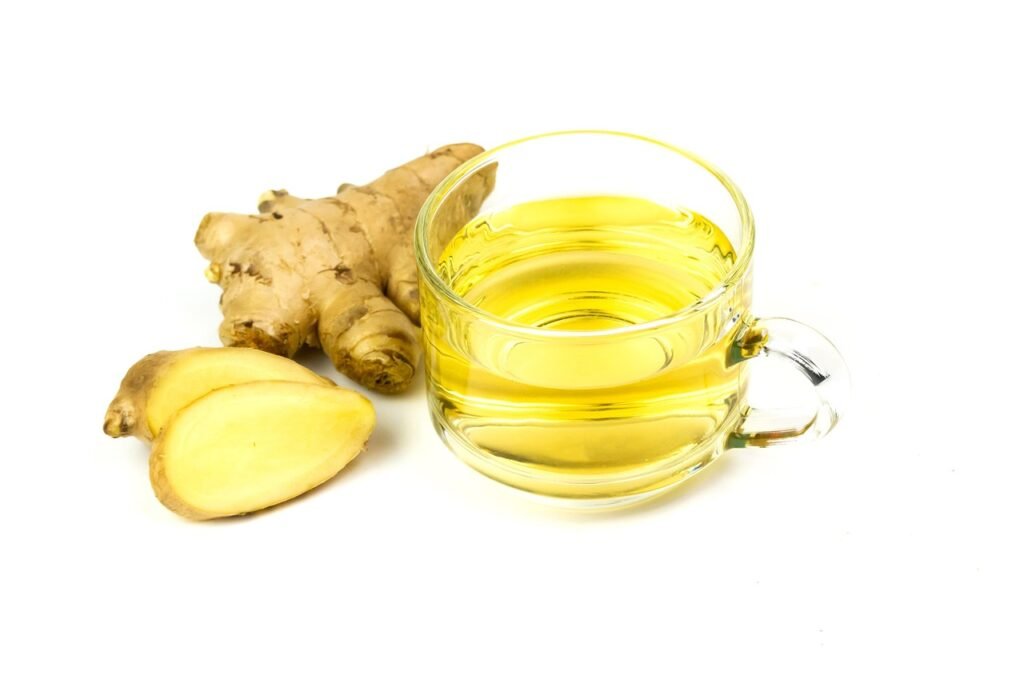
Grate a small amount of ginger into warm water with lemon.
Drink it before or after meals.
Avoid very hot tea to prevent throat discomfort.
Add ginger powder to a morning smoothie.
Use chopped, blended or powdered ginger in soups, stews, curries and stir-fries for warming winter meals.
A small piece of ginger daily can offer powerful digestive support during the cold season. Along with this, staying active, drinking enough water and eating hydrating foods can help manage winter digestion challenges effectively.


 By
By