


Looking for a natural way to start your day feeling calmer? You may have heard about blue tea, a vibrant, caffeine – free herbal drink made from butterfly pea flowers. Its beautiful color is eye – catching, but many people are curious about its main claim: can drinking blue tea in the morning actually help lower stress? Let’s explore what this unique tea can add cannot do.
What is Blue Tea and How Might It Help?
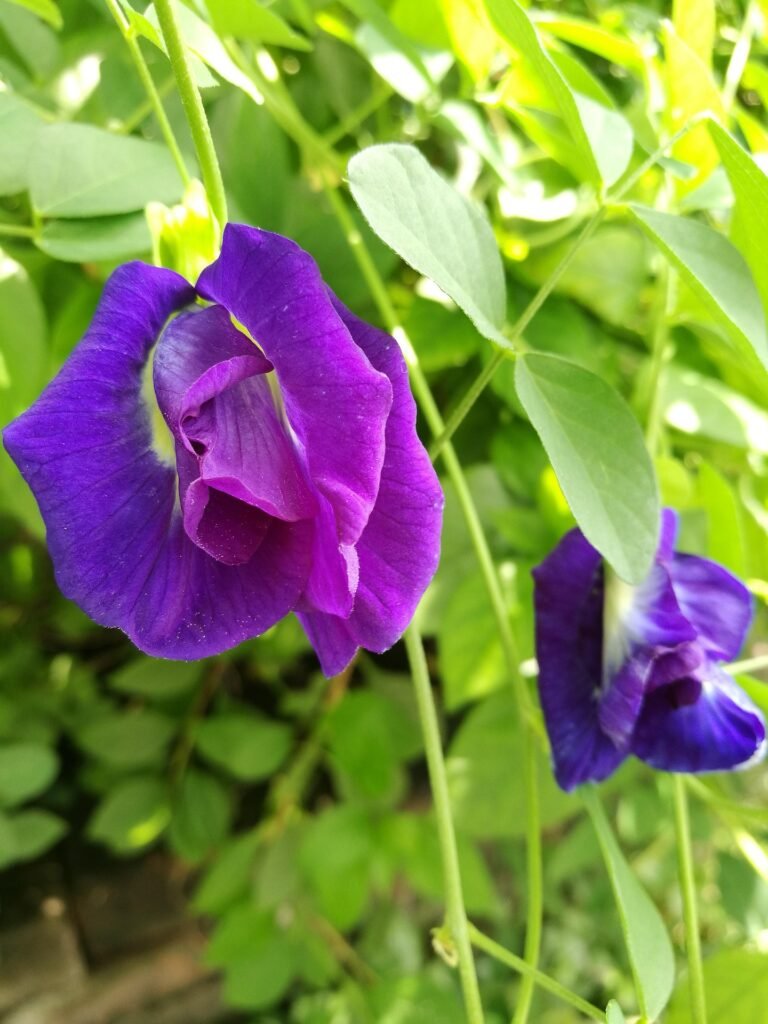
Blue tea, also known as butterfly pea flower tea, is an herbal infusion. Unlike green or black tea, it contains no caffeine. Its potential stress – relieving properties are linked to its rich content of antioxidant and special plant compounds called ternatins. Research suggests these natural substances can help reduce oxidative stress in the body and may support a calming effect on the nervous system, which could lower feelings of stress and anxiety.
The Benefits of a Morning Cup
Starting your day with a calming ritual can set a positive tone. Drinking a warm cup of blue tea in the morning might offer a gentle, relaxing moment before the day’s demands begin. Because it’s caffeine-free, it provides hydration without the jitters or crash that coffee can sometimes cause. This can help you feel centered and alert in a natural way.
Important Considerations and Side Effects
While blue tea is generally safe for most healthy people, it’s important to be aware of a few things:
- It’s Not a Magic Cure: Blue tea should be viewed as a supportive habit within a broader stress – management plan that includes good sleep, nutrition, and exercise, not a standalone solution for chronic stress or anxiety disorders.
- Possible Side Effects: Overconsumption might lead to minor stomach upset. Because it may lower blood sugar and blood pressure slightly, individuals on medication for diabetes or hypertension should be cautious.
- Taste: Some find its earthy, floral flavor strong; it’s often enjoyed with a touch of honey or lemon.
How to Enjoy Blue Tea Safely
If you’d like to try blue tea, here are some simple tips:
1. Start Slowly: Try having a cup every other morning to see how your body responds.
2. Choose Quality: Look for organic, pure butterfly pea flowers from a reputable source.
3. Listen to Your Body: If you notice any fatigue or stomach discomfort, reduce your intake or stop drinking it.
4. Consult a Professional: If you have a pre – existing health condition or are pregnant, it’s wise to get advice before adding any new herbal tea to your routine.
In summary, sipping on blue tea in the morning can be a pleasant, caffeine-free ritual that may contribute to a sense of calm. Its antioxidants offer health benefits, but it works best as part of a holistic approach to wellness. For healthy individuals looking for a soothing morning drink, it can be a worthwhile addition to your daily routine.

 By
By