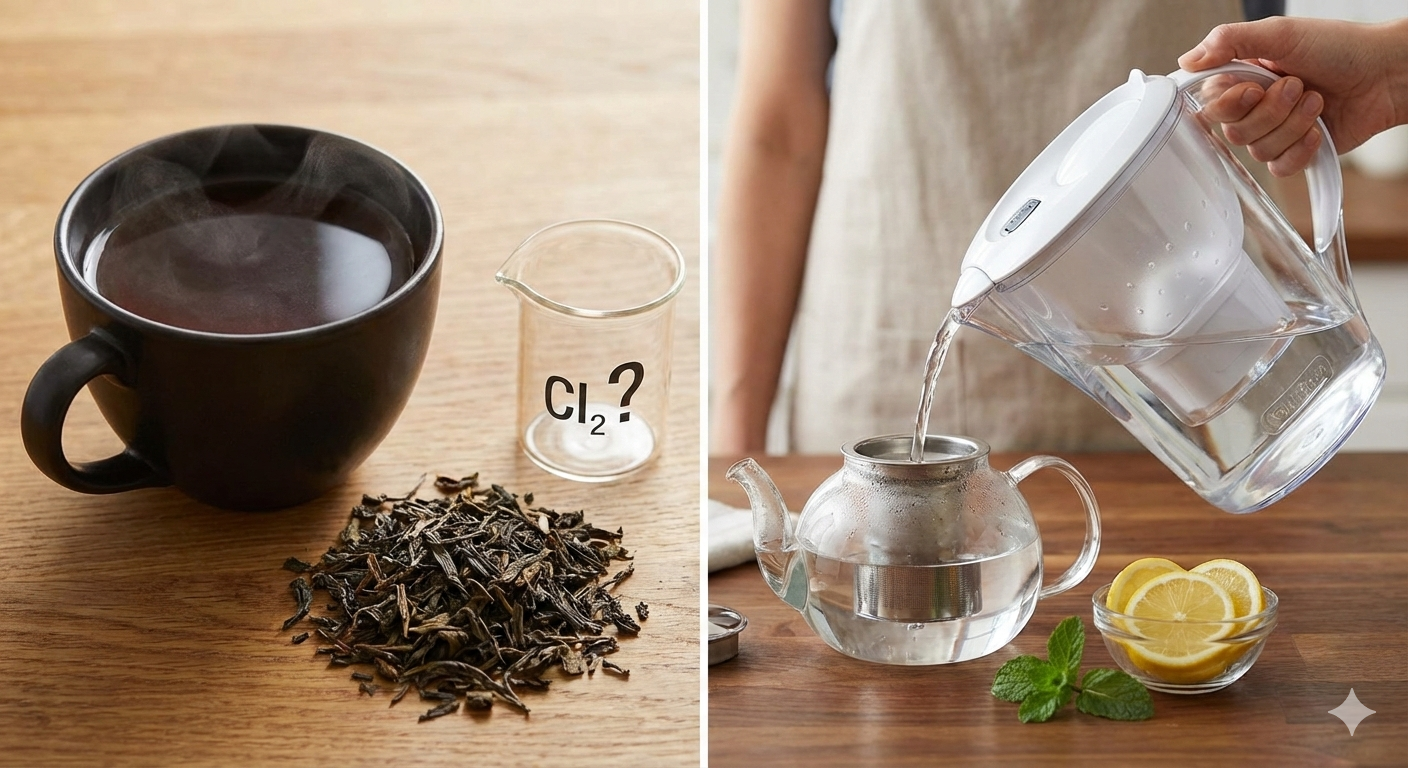

Tea is celebrated worldwide as a soothing, healthy drink. But there’s a hidden detail many tea drinkers miss: the tea plant naturally absorbs fluoride from the soil. While fluoride in small amounts is harmless, drinking large quantities from certain teas over many years can pose health risks. The good news is that with a simple, informed choice, you can enjoy your daily cup with greater peace of mind and better flavor.
Understanding Fluoride in Tea
The tea plant (Camellia sinensis) is what scientists call a “fluoride accumulator”. This means it draws fluoride from the earth and stores it in its leaves as it grows. For most casual drinkers, this isn’t a concern. However, for those who drink several cups of strong tea daily over decades, there is a potential for excessive fluoride intake, which has been linked to bone and joint health issues. The key factor isn’t whether tea contains fluoride, but how much— and that depends largely on which leaves are used.
The Problem with Budget Tea Bags
The fluoride level in your cup is directly tied to the quality of the leaves. In mass – produced, inexpensive teas, manufacturers often use older, mature leaves from the lower parts of the plant. These leaves have been on the bush the longest and accumulated the highest concentrations of fluoride and other minerals. While this makes for a cheap, robust – tasting tea, it also means you’re brewing a cup with the plant’s highest fluoride content.
The Solution: Choose “Fine Pluck” Teas
The healthiest and most flavorful solution is to select teas made from a “fine pluck”. This traditional method involves harvesting only the youngest, most tender parts of the plant: the bud and the top two leaves. These new leaves haven’t had time to build up significant fluoride. Teas made from these young leaves are naturally lower in fluoride and are also superior in taste, offering more complex, delicate flavors without bitterness. Opting for these quality teas is a simple switch that benefits both your health and your health and your palate.
How to Find a Better, Safer Tea
You can’t see or taste fluoride, so transparency from the tea brand is essential. Here’s how to make a smarter choice:
- Look for Quality Indicators: Terms like “whole leaf”, orthodox processing” or descriptions mentioning “buds and young leaves” often indicate a finer pluck.
- Avoid Dust and Fannings: Tea bags filled with powder or ting broken pieces (“fanning”) are typically made from older, processed leaves.
- Research Brands: Support companies that prioritize quality sourcing and are transparent about their production. Some brands even conduct independent lap testing to verify low fluoride levels.
You don’t need to give up tea to enjoy it safely. By understanding the link between leaf quality and fluoride content, you can make a more informed choice. Switching from mass – market tea bags to teas made from carefully plucked, young leaves is a simple step. It ensures your daily ritual supports your well – being, allowing you to savor the true, pure flavor and health benefits of one of the world’s most beloved beverages.

 By
By