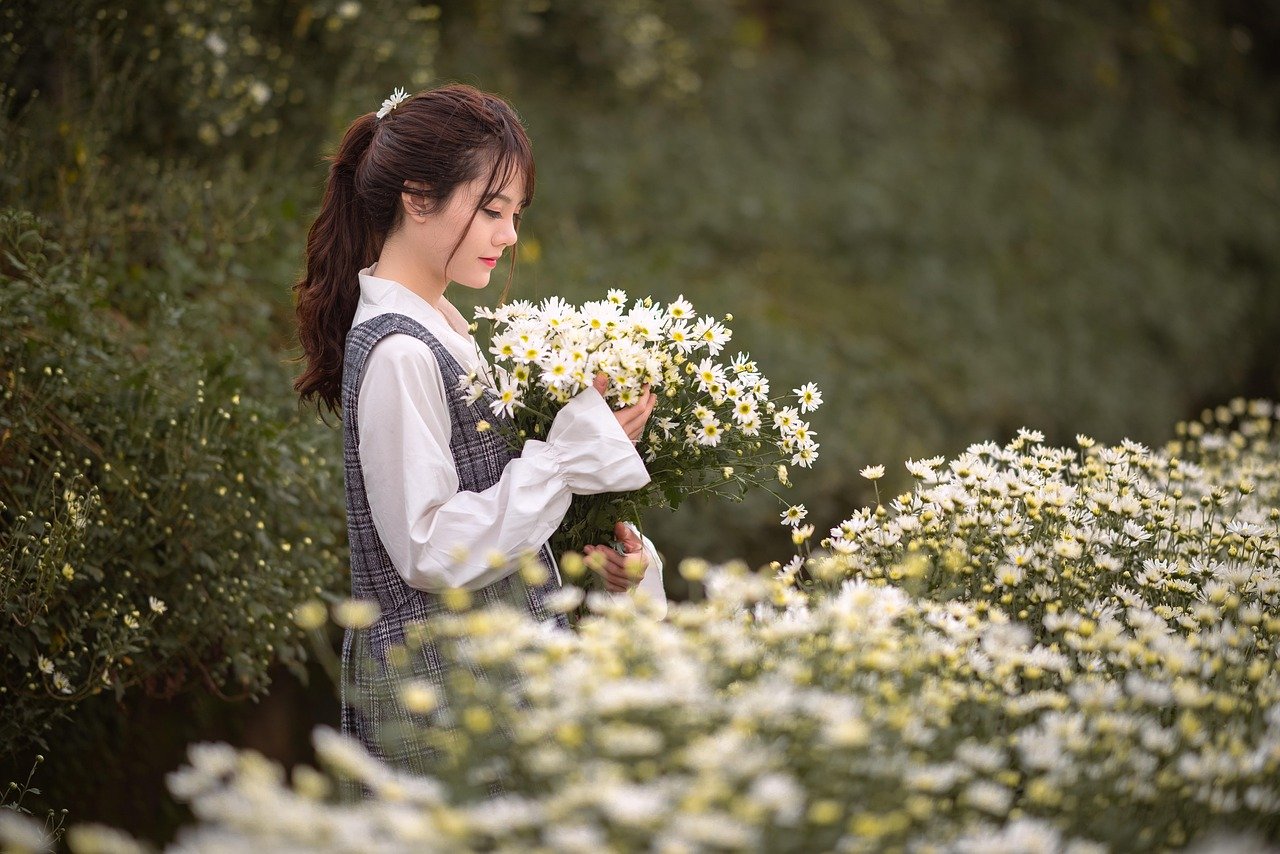

Flowers bring beauty and fragrance into our homes and gardens, but many popular blooms have a hidden, less pleasant side. They produce natural toxins as a defense against pests, and some can be surprisingly harmful to people and pets. While simply smelling a flower is typically safe, understanding which plants pose a risk – and how to handle them – can prevent unnecessary health concerns.
Why Are Some Flowers Poisonous?
Plants can’t run away from insects or animals, so many have evolved to fight back chemically. They produce defensive compounds like alkaloids and glycosides within their leaves, stems, nectar, and petals. While these toxins protect the plant, they can cause adverse reactions – from mild skin irritation to serious illness – if ingested or sometimes even handled extensively by humans or animals. This is a natural survival strategy, not a flaw.
Common Flowers with Known Risks
It’s important to know that not all flowers are dangerous, and severe reactions usually require ingestion. However, being aware of these commonly grown plants can help you take precautions, especially if you have children or pets.
1. Oleander
Every part of the oleander plant is highly toxic. It contains compounds that can disrupt heart rhythm, leading to serious symptoms like vomiting, dizziness, and in severe cases, cardiac arrest. It should be handled with care and kept out of reach.
2. Foxglove
The beautiful, bell – shaped flowers of the foxglove contain digitalis, a powerful chemical that affects the heart. Ingesting any part of this plant can be extremely dangerous and potentially fatal.
3. Lily of the Valley
Often found in bouquets and gardens, this delicate flower contains cardiac glycosides similar to foxglove. It can cause heart irregularities, confusion, and digestive upset if eaten.
4. Angel’s Trumpet
This dramatic flower contains alkaloids that can cause intense hallucinations, paralysis, confusion, and even respiratory distress if ingested.
5. Daffodil
While a cheerful sign of spring, the bulbs of daffodils are particularly toxic. Accidental ingestion can lead to nausea, vomiting, and abdominal pain.
An Added Concern: Pesticide Residue
Beyond natural toxins, there’s another potential risk: pesticides residue. Because cut flowers are not grown for consumption, they are often subject to less stringent regulations than food crops. Studies have found that many bouquets can contain residues of various agricultural chemicals. For most people handling occasional bouquets, this is a minor concern, but florists and frequent handlers should be mindful.
How to Enjoy Flowers Safely
You don’t need to avoid flowers altogether. A few simple practices ensure you can enjoy their beauty without worry:
- Admire, Don’t Ingest: Never eat a flower unless you are certain it is certified for culinary use.
- Wash Your Hands: Always wash your hands with soap and water after handling flowers, especially before eating.
- Protect Children and Pets: Keep known toxic plants out of reach. Be especially cautious with cats around lilies, which are highly poisonous to them.
- Wear Gloves for Gardening: Use gloves when planting, pruning, or arranging bouquets to minimize skin contact with sap.
- Ensure Good Ventilation: When arranging large bouquets indoors, open a window to ensure fresh air circulation.
Flowers are a wonderful part of nature, but it’s wise to respect their power. By knowing which common blooms carry natural toxins and taking simple safety steps – like washing hands and keeping dangerous plants away from pets – you can safely enjoy their beauty. Awareness, not fear, is the key to coexisting with the stunning yet sometimes perilous world of flowering plants.


 By
By