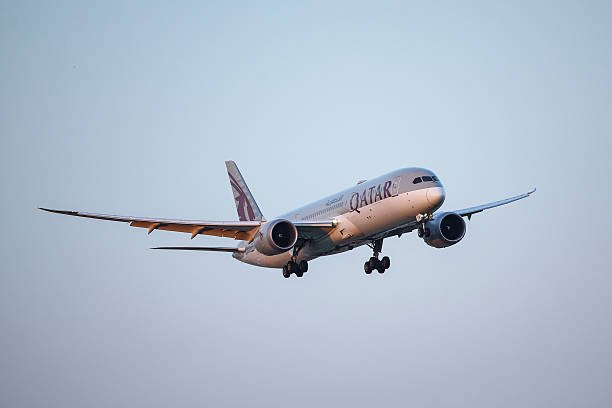

Airlines will be able to cancel flights weeks in advance without losing their valuable takeoff and landing slots if they face fuel shortages this summer. The UK government has drawn up new contingency plans to help carriers plan ahead. The goal is to avoid disruptive last-minute cancellations that leave passengers stranded.
How the New Rules Work
Under the current system, airlines must use their allocated slots at least 80 percent of the time. If they do not, rival airlines can take those slots. The most popular slots at busy airports like London Heathrow and Gatwick can be worth tens of millions of pounds.
The new plans change that. Airlines will be allowed to hand back unused slots temporarily. They will still have the right to use them the following year. This means they can cancel flights at least two weeks in advance, anticipating problems rather than reacting to them at the last minute.
Airlines will also be allowed to merge flights on routes with multiple daily trips to the same destination. Passengers could be moved from their original booking to a similar flight on the same day. This would save fuel and reduce the number of planes in the air.
Why This Is Happening
The UK imports about 65 percent of the jet fuel it uses. A significant portion of that normally comes from the Middle East. But the closure of the Strait of Hormuz due to the Iran war has blocked those supplies. The International Energy Agency has warned that Europe as a whole could face shortages by June.
Transport Secretary Heidi Alexander said there is currently no disruption to jet fuel supply. But she called it an “evolving situation.” She told the BBC she is confident that most people travelling this summer will have a similar experience to last year. However, she added that airlines might need to “trim their schedules slightly.”
The UK is now importing more jet fuel from the United States and the west coast of Africa. The government has also asked four domestic refineries to maximise production.
What This Means for Passengers
Travel journalist Simon Calder explained the aim is to “prioritise holiday flights over business departures.” He used German airline Lufthansa as an example. Lufthansa runs 10 flights a day between London Heathrow and Frankfurt. In the middle of summer, there are fewer business travellers. The airline could cancel two or three of those flights and move passengers to other departures on the same day. This would save fuel for holiday flights to destinations like Greek islands, where there are not daily departures.
The government believes this approach will reduce the risk of last-minute cancellations. Alexander said the last thing she wants is passengers at the departure gate receiving a text message saying their flight is cancelled.
Your Rights If Disrupted
Under existing rules, when flights are severely delayed or cancelled, passengers are entitled to support from their airline. This includes being rerouted or granted a refund. Airlines must also provide food, drink, and overnight accommodation when necessary. Passengers are also entitled to financial compensation in the event of severe disruption.
Airlines have lobbied for fuel shortages to be classified as “extraordinary circumstances.” That would allow them to avoid paying compensation. So far, that plea has not been accepted in the UK. However, the European Commission has suggested airlines may not have to provide compensation if they can prove the disruption was directly caused by fuel shortages and that all reasonable measures were taken.
Calder reminded passengers that it is the airline’s responsibility to get them to their destination on the same day if possible. “It’s down to the airline to sort you out,” he said.
What Comes Next
The new plans require legislation in the form of a statutory instrument. A short consultation is taking place this week. Airlines UK, which represents UK-based carriers, has welcomed the move. Chief executive Tim Alderslade said the plan would allow airlines to “avoid unnecessary flying and continue operating as efficiently as possible while protecting connectivity for passengers and trade.”
The government is also looking at ways to increase flexibility of jet fuel supply. This includes possibly allowing a US specification of fuel, known as Jet A, to be used in the UK. British and European airlines are currently required to use Jet A1, which has a lower freezing point.
The UK is preparing for possible jet fuel shortages this summer. The new plans give airlines the flexibility to cancel flights in advance without losing their valuable slots. For passengers, the hope is fewer last-minute cancellations and more certainty when they travel. But the ultimate solution depends on whether enough fuel can be brought in from elsewhere.


 By
By