
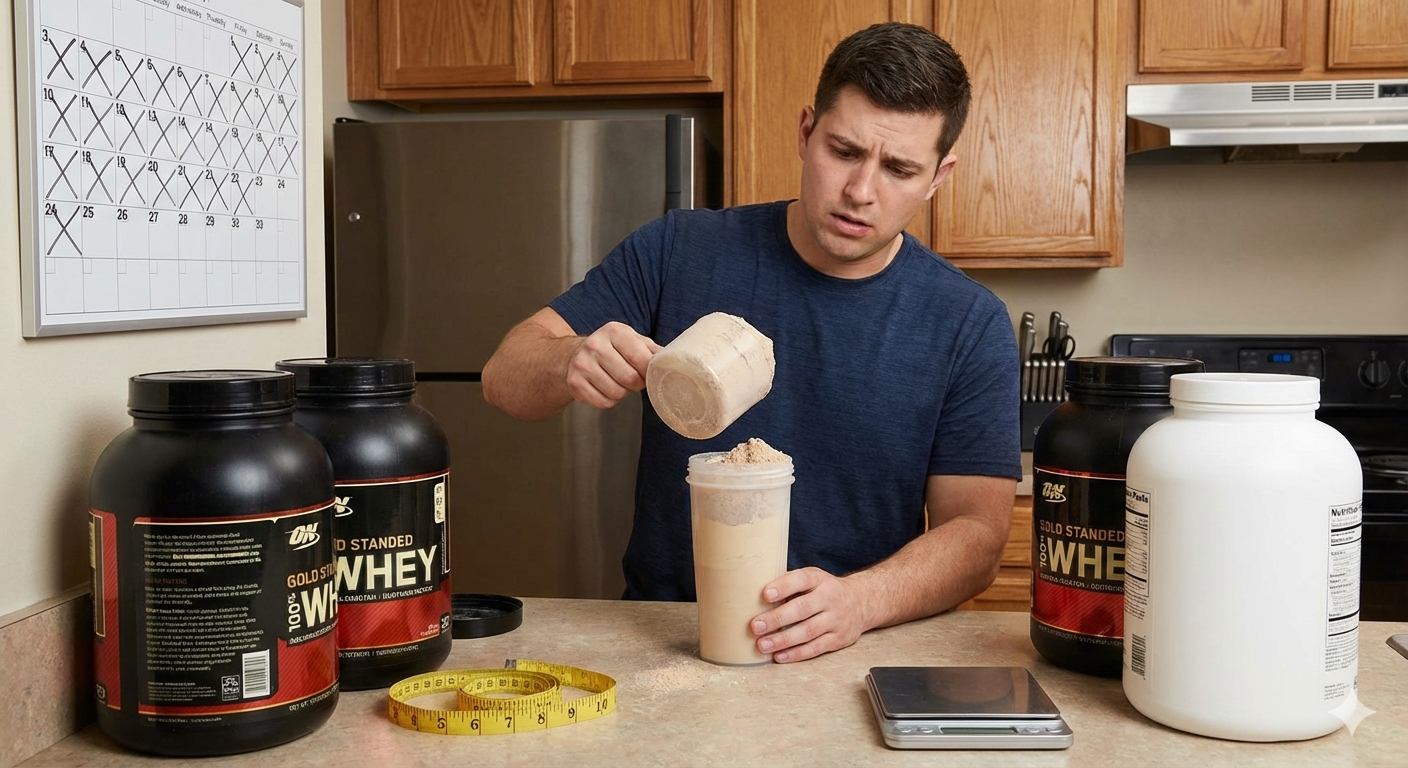

Protein powder has become a daily staple for gym – goers, athletes, and busy professionals. It is marketed as a quick and convenient way to build muscle, lose weight, and improve health. But there is a question many people forget to ask. Can you take too much? While protein is essential for your body, too much of it, especially from supplements, can cause problems. Here is what you need to know about safe protein powder intake.
Why Protein Matters
Protein plays a vital role in your body. It helps repair and build muscle. It produces important hormones. It supports immune health and helps wounds heal. If you are physically active, pregnant, or recovering from an illness, your protein needs may be higher than average. But more protein does not automatically mean more muscle or better health. Balance is what matters.
How Much Protein Do You Actually Need
Your protein needs depend on your activity level. Here is a simple breakdown based on body weight.
For sedentary people who do little exercise, the recommendation is about 0.8 grams per kilogram of body weight each day.
For moderately active people, the range is 1.0 to 1.2 grams per kilogram.
For athletes or those doing intense strength training, the need goes up to 1.2 to 2.0 grams per kilogram.
Let us use an example. If you weigh 70 kilograms, a sedentary person needs about 56 grams of protein daily. An active person doing intense training needs between 84 and 140 grams daily. This total includes protein from both food and supplements combined.
When Protein Powder Becomes Too Much
You might be taking too much protein powder if you notice these patterns.
You consume multiple scoops every day without tracking your total intake.
You already eat meals that are high in protein from whole foods.
You rely more on protein shakes than on real food.
You regularly exceed 2.2 grams of protein per kilogram of body weight.
Your body cannot store extra protein. Any protein you take in beyond what your body needs is either used for energy or stored as fat.
Possible Risks of Excess Protein
Taking too much protein powder can lead to several health issues.
Strain on Kidneys
For healthy people, moderate high protein intake is usually safe. But consistently taking too much protein may strain the kidneys. This is especially risky for people who already have kidney problems without knowing it.
Digestive Issues
Too much protein powder can upset your stomach. Common problems include bloating, constipation, diarrhea, and gas. This is more common with whey – based protein powders.
Dehydration
Your body needs extra water to process protein. Studies show that eating too much protein can lead to dehydration. This puts extra strain on your kidneys and liver.
Nutrient Imbalance
If you rely too heavily on protein shakes, you may miss out on important nutrients. Whole foods like legumes, nuts, and vegetables provide fiber, vitamins, and minerals that protein powder does not have.
Do You Really Need Protein Powder
Not everyone needs protein powder. Many people can meet their daily protein needs through food alone.
Good sources of protein include eggs, dairy products, lentils, beans, chicken, fish, nuts, and seeds. These foods also provide other nutrients that support your health.
Protein powder can be helpful in certain situations. If you struggle to meet your protein needs through diet alone, it can help. If you have high training demands and need quick recovery after workouts, it can be useful. If you have medical conditions that increase your protein requirements, it may be recommended. But protein powder should supplement your diet, not replace real food.
How to Use Protein Powder Safely
If you choose to use protein powder, follow these simple guidelines.
First, calculate your daily protein requirement based on your weight and activity level.
Second, include protein from your meals when you count your total. Do not add protein powder on top of a diet that already meets your needs.
Third, stick to one scoop per day unless a doctor or nutritionist advises otherwise.
Fourth, drink plenty of water throughout the day. Protein metabolism requires extra fluids.
Fifth, choose reputable brands that use third – party testing. This ensures you are getting what the label claims without harmful additives.
Sixth, talk to a doctor if you have any kidney or liver issues before starting protein supplements.
Protein is essential for your body. It helps build muscle, produce hormones, and keep your immune system strong. But taking too much protein powder will not speed up your results. It may actually cause harm by straining your kidneys, upsetting your digestion, and throwing your nutrition out of balance.
The safest approach is simple. Meet most of your protein needs through whole foods. Use protein powder only when you truly need it. And always remember that consistency and moderation work far better than excess. When it comes to protein, more is not better. The right amount is what matters.


 By
By