
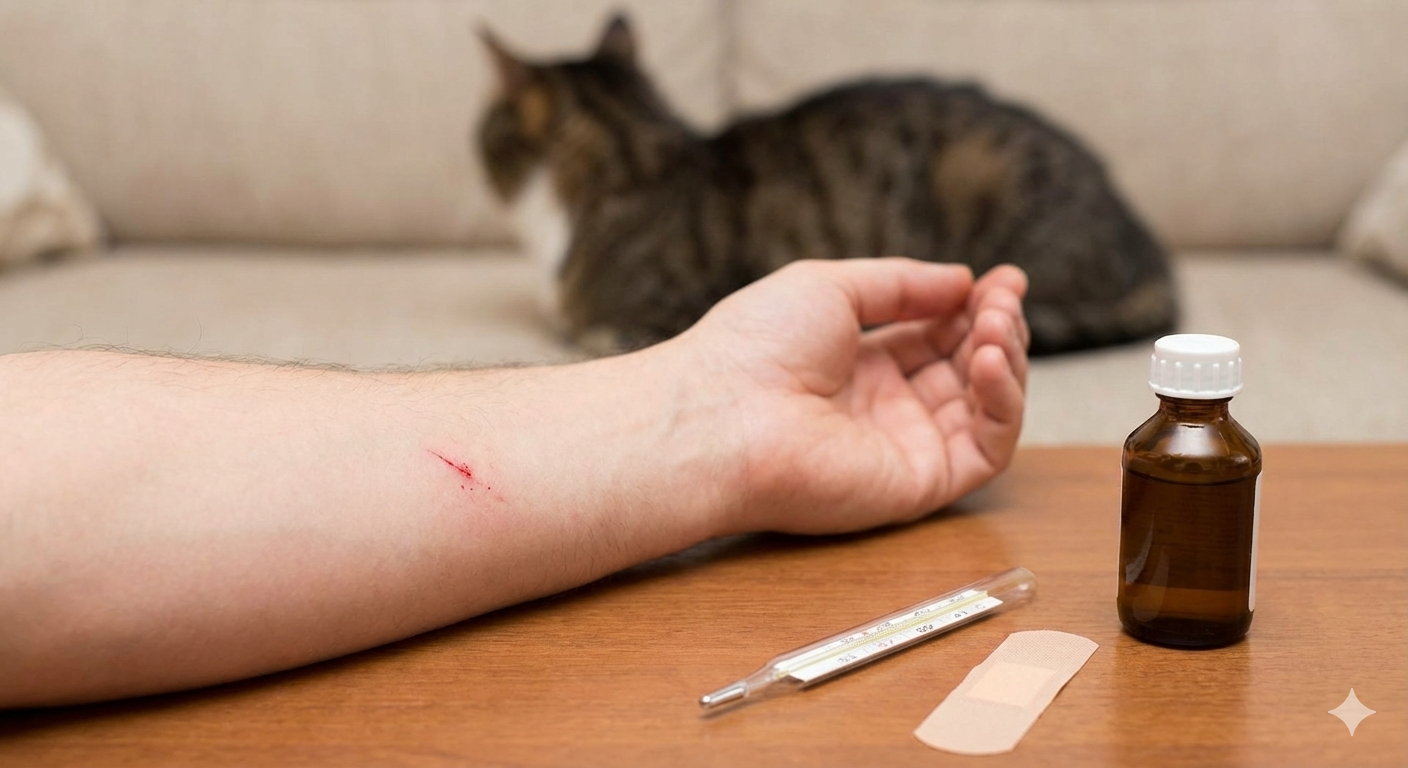

A scratch from your cat might seem like a minor, everyday injury. While most heal without issue, it’s important to know they can sometimes lead to infections and other health problems beyond the well – known risk of rabies. Understanding the potential risks and proper first aid can help you stay safe and prevent complications.
Why Cat Scratches Can Be Problematic
Cats, even healthy indoor pets, naturally carry bacteria in their mouths and on their claws. When a scratch breaks thew skin, these germs can enter your body. The risk is higher from kittens, outdoor cats, or cats with fleas. Problems may not appear immediately; an infection can develop days or even weeks later.
Common Infections from Cat Scratches
The most notable infection is Cat Scratch Disease (CSD), caused by the Bartonella henselae bacteria.
- Symptoms: A small bump or blister at the scratch site, followed by swollen and tender lymph nodes (often in the armpit or neck), fever, headache, and fatigue.
- Timing: Symptoms typically appear 1- 3 weeks after the scratch.
- Severity: While often mild and self – resolving in healthy people, it can be more serious for children, older adults, or those with weakened immune systems, requiring antibiotics.
Other bacteria can cause skin and soft tissue infections, like:
- Cellulitis: A spreading skin infection causing redness, warmth, swelling, and pain.
- In rare cases, bacteria can enter the bloodstream, leading to more severe systematic illness.
Tetanus: A Serious Risk from Puncture Wounds
Cat scratches, especially deep ones, are puncture wounds. This type of injury can introduce tetanus bacteria into your body. Tetanus affects the nervous system and is a serious medical condition. If you haven’t had a tetanus booster shot in the last 10 years (or 5 years for a dirty wound), you should get one after a deep cat scratch.
Essential First Aid Steps
Immediate and proper care greatly reduces the risk of infection:
1. Wash Thoroughly: Hold the scratch under warm running water and wash gently with soap for several minutes.
2. Apply Antiseptic: Use an over – the – counter antiseptic like rubbing alcohol or an antibiotic ointment.
3. Keep it Clean: Let the area air dry and keep it clean. Avoid covering minor scratches with tight bandages.
When to See a Doctor
Contact a healthcare provider if you notice any of the following signs:
- The scratch is deep, won’t stop bleeding, or is on your face, hand or near a joint.
- Redness, swelling, warmth, or pain increases after 24 – 48 hours.
- Red streaks appear around the wound.
- You develop a fever, chills, or body aches.
- Lymph nodes become swollen and painful.
- You have a weakened immune system or are unsure of your tetanus vaccination status.
While the vast majority of cat scratches are harmless, they are not risk-free. Being informed about infections like Cat Scratch Disease and tetanus, practicing good first aid, and knowing when to seek medical help are key to staying healthy. This knowledge allows you to enjoy the company of your feline friend while taking simple steps to protect your well – being.


 By
By