
In an effort to promote sustainable farming and reduce reliance on synthetic fertilizers, Vermont is pioneering a unique approach: urine recycling, or “peecycling.” This innovative practice involves collecting and processing human urine for use as a natural fertilizer, offering a promising alternative to chemical-based agricultural solutions.
Why Urine? A Natural Fertilizer
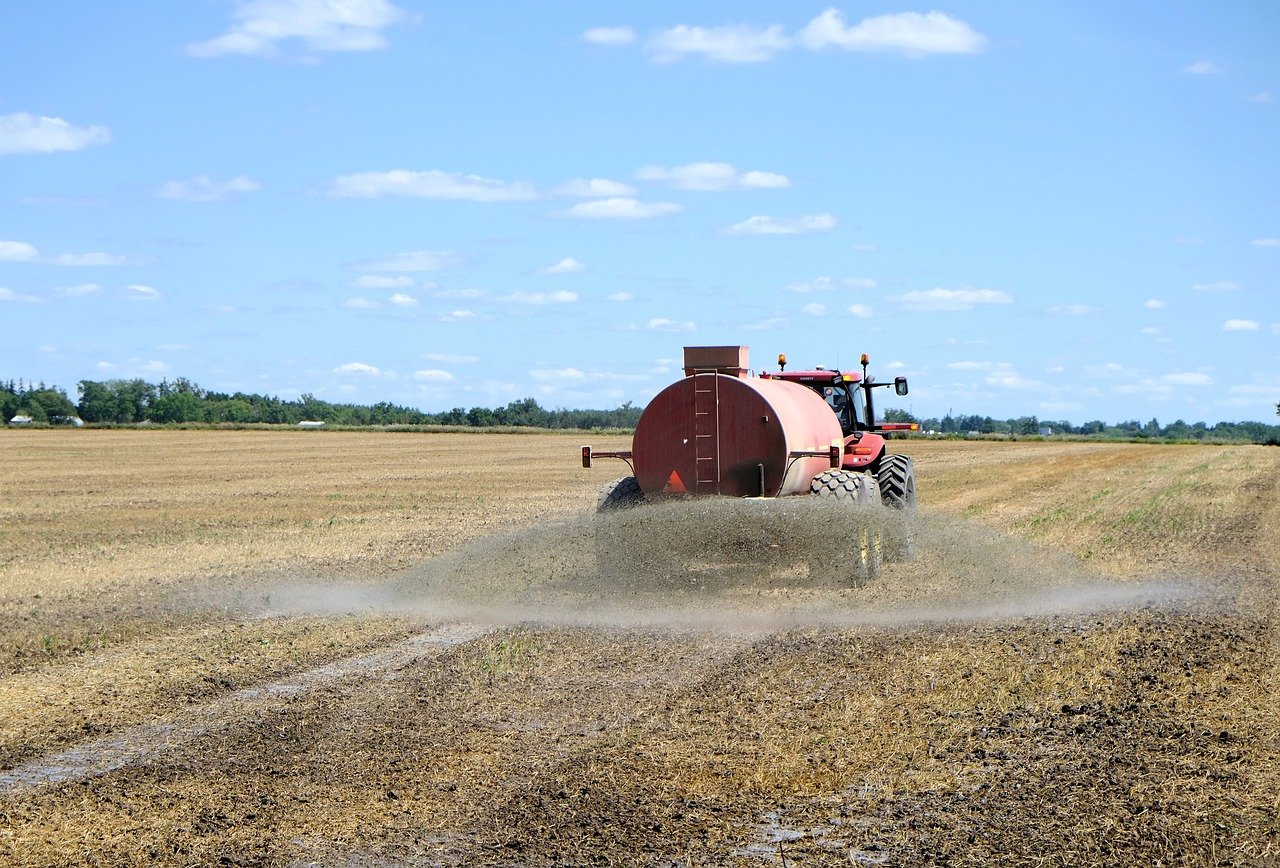
Human urine is rich in essential nutrients like nitrogen, phosphorus, and potassium—key components found in traditional fertilizers. Unlike synthetic fertilizers, which require energy-intensive production processes, urine can be repurposed with minimal processing, making it an environmentally friendly option.
Vermont’s Peecycling Initiative
Vermont has been at the forefront of this initiative, with organizations like the Rich Earth Institute leading research and implementation. By collecting urine from participating households, processing it to remove potential contaminants, and distributing it to farms, they are demonstrating how human waste can be transformed into a valuable agricultural resource.
Addressing Public Concerns
One of the main challenges of urine recycling is public perception. Many people are unfamiliar with the process and may have concerns about hygiene and safety. However, studies show that properly treated urine is safe for agricultural use. Additionally, research indicates that pharmaceutical residues in urine-fertilized crops are extremely low, often below detection limits, reducing health risks.
The Environmental and Economic Benefits
Peecycling offers multiple advantages:
- Reduces Chemical Fertilizer Dependency: By utilizing natural nutrients from urine, farmers can decrease their reliance on synthetic fertilizers, lowering production costs.
- Minimizes Water Pollution: Excess nitrogen and phosphorus from synthetic fertilizers often run off into water bodies, causing environmental damage. Urine recycling helps mitigate this issue by providing a controlled nutrient source.
- Decreases Wastewater Treatment Costs: Diverting urine from sewage systems reduces the burden on wastewater treatment plants, improving efficiency and lowering operational costs.
The Road Ahead
While urine recycling is gaining traction in Vermont, broader adoption will require further research, public awareness campaigns, and regulatory support. As attitudes shift and infrastructure improves, peecycling could become a widespread solution for sustainable agriculture worldwide.
Vermont’s initiative serves as an inspiring model, demonstrating how innovative thinking can lead to practical environmental solutions. By embracing urine recycling, we can take a significant step toward a more sustainable and eco-friendly future in agriculture.


 By
By