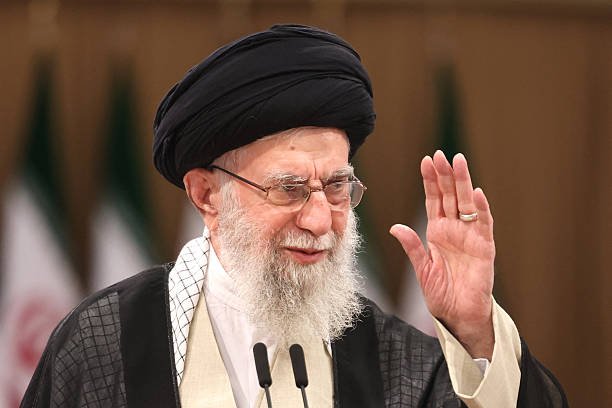

Iran has entered a new political chapter after the death of Ayatollah Ali Khamenei. His son, Mojtaba Khamenei, has now been selected as the new Supreme Leader of Iran. The decision has attracted global attention because Mojtaba has mostly stayed away from public life for many years. Many people inside and outside Iran are now asking the same question: who exactly is Mojtaba Khamenei?
This leadership change comes at a time of political tension in the Middle East and economic challenges inside Iran. Because of this, Mojtaba’s leadership is already being closely watched around the world.
Early Life and Background
Mojtaba Khamenei was born on 8 September 1969 in the city of Mashhad in northeastern Iran. He is the second child among six children in the Khamenei family. His father served as Iran’s Supreme Leader for decades, making the family one of the most powerful in the country.
During his school years, Mojtaba studied at the Alavi School in Tehran. This school is known for providing religious education along with regular academic studies.
When he was still a teenager, Mojtaba briefly served in the military during the Iran – Iraq war. That conflict lasted for eight years and deeply shaped Iran’s political mindset, especially its distrust toward Western countries.
Religious Studies and Clerical Path
In 1999, Mojtaba moved to the city of Qom, which is one of the most important centers for Shia religious learning. There he continued his studies in Islamic theology.
Interestingly, Mojtaba began his formal clerical path later than most religious scholars. Many students start religious training when they are much younger, but he entered the seminary at around the age of 30.
Today he is considered a mid-level cleric. Recently, some media outlets close to Iran’s leadership have started referring to him with the title Ayatollah. Some observers believe this is an attempt to strengthen his religious credentials and support his leadership position.
A Man Who Stayed Behind the Scenes
Unlike his father, Mojtaba has rarely appeared in public. He has never held a formal government position. He also does not give public speeches or media interviews.
Because of this, only a few photographs or videos of him exist. Despite his low public profile, many political observers believe he has held significant influence behind the scenes for many years.
Diplomatic reports that became public through WikiLeaks once described him as a powerful figure working quietly within Iran’s political system.
Controversy and Political Allegations
Mojtaba first became widely known during the 2005 presidential election in Iran. That election brought Mahmoud Ahmadinejad to power.
One reformist candidate accused Mojtaba of interfering in the election process through members of Iran’s Revolutionary Guard and the Basij militia. According to those accusations, money was distributed to certain religious groups to support Ahmadinejad’s campaign.
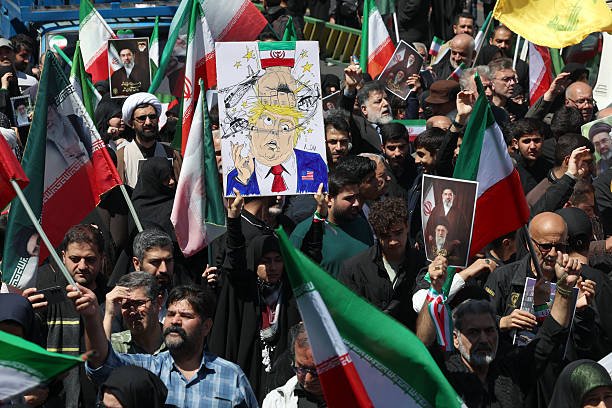
Similar allegations appeared again during the 2009 presidential election. That election triggered massive protests across Iran, which later became known as the Green Movement.
Many protesters feared that Iran could eventually become a hereditary political system if Mojtaba succeeded his father.
Public Opposition and Political Pressure
After the 2009 protests, several reformist leaders were placed under house arrest. Some political figures later claimed that Mojtaba played a role in these decisions.
Because of these past controversies, his appointment as Supreme Leader may continue to create debate inside Iran.
The Islamic Republic was founded in 1979 after the monarchy was overthrown. Its political philosophy emphasizes leadership based on religious authority rather than family inheritance. For this reason, some critics argue that choosing the son of the previous leader goes against the original idea of the revolution.
A Difficult Leadership Challenge
As the new Supreme Leader, Mojtaba now faces many serious challenges. Iran is dealing with economic pressure, international sanctions, and growing political tensions in the region.
Many analysts expect him to continue the strict policies that were followed during his father’s rule. However, his leadership experience is still largely untested.
Another challenge will be gaining public trust. Some citizens may question whether the leadership transition represents a shift toward family-based rule.
Growing Security Risks
The political environment around Iran is also extremely tense. Following recent conflicts involving Israel and the United States, the country’s leadership has become a major strategic target.
Israel’s defense officials have already warned that any successor to Iran’s former leader could become a potential target. This means Mojtaba begins his leadership under intense security risks and international pressure.
What the Future May Hold
Mojtaba Khamenei’s leadership marks a major turning point for Iran. While some supporters see him as a strong figure who can maintain stability, others remain concerned about the direction of the country.
The coming years will show whether he can successfully guide Iran through political tensions, economic struggles, and global scrutiny.
For now, the world continues to watch closely as Iran enters a new era under its new Supreme Leader.

 By
By