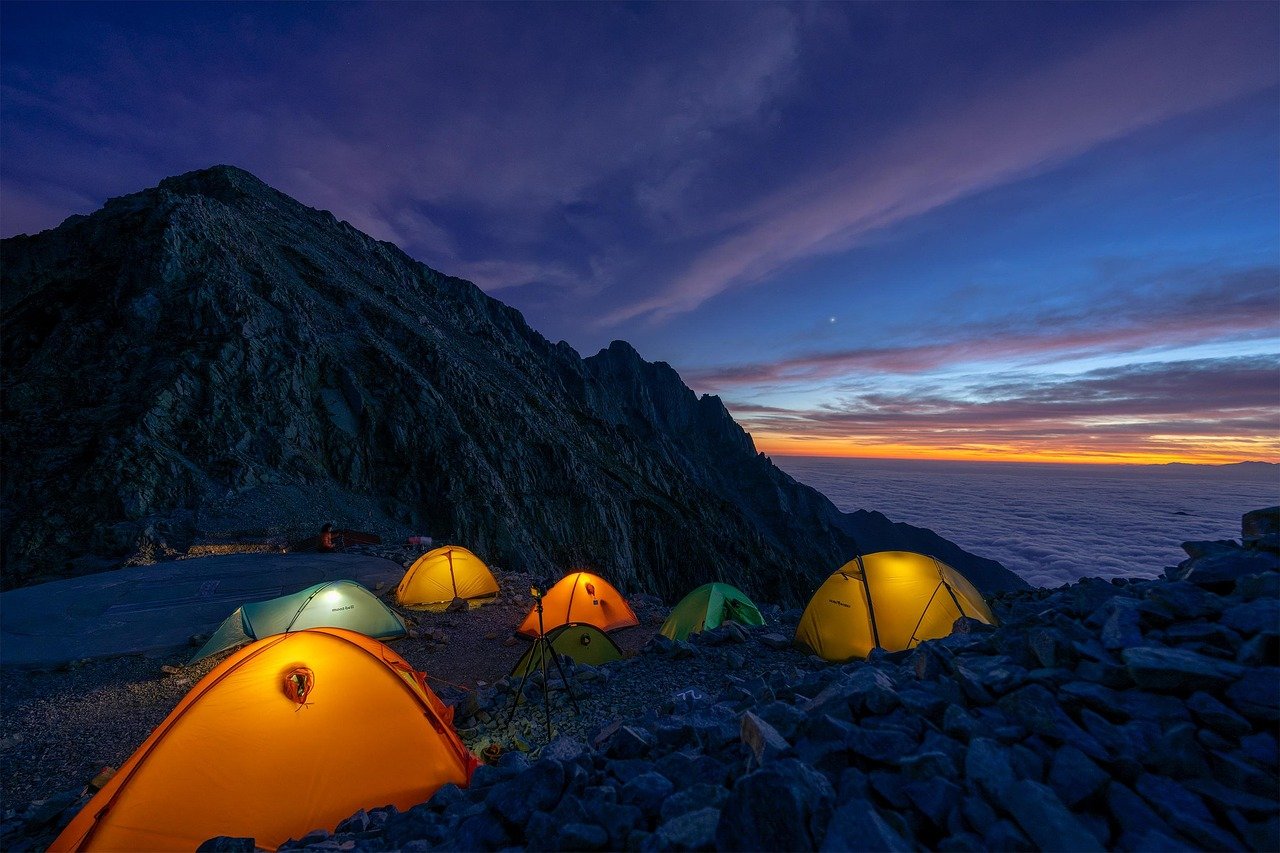

I am not a great sleeper. Not terrible, but patchy at best. I know the long, dark hours when there is nothing to do not adjust my eye mask and resist the urge to scroll through my phone. Despite this, I have attempted nights in some challenging places. Scottish snowstorms. Amazonian downpours. Damp Swedish islands. Muddy festival fields. Strange noises and hard ground usually meant sleep did not come easily. But according to research, if I want a better night’s sleep, I would do well to get back into camping.
The Problem with Modern Light
Most of us go to bed well after the sun sets. This mismatch has physical and mental health impacts. Sleeping outside can help counter this by keeping us in tune with the sun and moon. Scientists have found that spending a weekend camping can reset our internal body clock so that it better aligns with the world outside. For most of us, that means shifting our sleep a bit earlier. It also means avoiding the health issues associated with sleeping late, including heart disease and depression.
What the Research Shows
Fifteen years ago, a researcher set out to explore how camping impacts sleep. He wanted to understand just how out of step our natural sleep – wake cycle has become with the natural world humans evolved in. He took a small group of people on a weeklong summer camping trip in the Rocky Mountains. They had no torches, no phones, and four times more exposure to natural daylight than they usually experienced.
The results were striking. The campers’ internal body clock shifted two hours earlier following the trip. Their melatonin levels, a biological marker of nighttime, dropped shortly before they woke up. When they had been sleeping at home, melatonin stayed high well into the morning. In other words, modern artificial light tricks our brains into thinking we should still be asleep for hours after we wake up.
Why This Matters for Your Health
Sleeping outside keeps you more in sync with your biology. Later sleep timing is associated with negative health outcomes including substance abuse, depression obesity, and diabetes. Earlier sleep types have fewer health problems. Sleeping with less exposure to artificial light also means you will likely feel better and more alert in the morning.
Real Experiences from the Outdoors
One keen camper described her best night’s sleep on a trip with no artificial light at all. No phone. No torch. Just a fire and woollen blankets. Bedtime came earlier. She had to wake up a few times to stoke the fire. But despite getting up in the night, she felt more awake during the day. More alive. More in touch with herself and nature. She slept longer overall.
Another study took a group camping in the depths of winter. People woke up slightly more in the night but overall got over two more hours of sleep than they did when sleeping inside. Their biological night, the time during which their body released melatonin, was longer in winter than in summer. Humans, it turns out, are not so different from other animals. We have the capacity to respond to seasonal changes in the natural light – dark cycle.
The Sounds of Nature
Removing artificial light also has health benefits beyond sleep. Too much exposure to artificial light at night can affect blood pressure, hormone regulation, and depressive symptoms. A survey of 1,000 campers found that 56 percent would recommend outdoor sleeping to people who struggle to nod off at night. Around one in four said they personally sleep better outside than in their own bed. Most put this down to hearing the sounds of nature. The patter of raindrops. Rustling leaves. Chirping insects. Steadily breaking waves. Even the rumble of thunder.
One lifelong camper described the hooting of owls and nocturnal creatures snuffling around as lovely and sleep – inducing. He was surprised that some people find thunder helps their sleep, but thousands of online search results for thunder sleep sounds suggest it really works for some.
Practical Tips for Camping Sleep
Sleeping outside can take some getting used to. The first couple of nights, you are more aware of unusual noises. You might sleep worse on the first or second night, but then improve as you adapt.
To make sleeping outside more comfortable, never pitch a tent under a tree unless you want heavy drops of rain machine-gunning your tent. Get good thick insulation between your body and the ground. That ground is never anything but cold when you wake up in the night.
For first timers, tent companies now sell second – hand tents to tackle waste. You might even borrow a rent from a library. The cost of entry does not have to be expensive.
How to Bring the Outdoors Inside
You do not have to camp every night. You can bring the outdoors inside to make your days brighter and your nights dimmer. Match the color of your light bulbs to the time of day. Bluer light during the day. Redder light in the evening. This helps you get closer to what the natural environment provides while still living a modern lifestyle.
A weekend camping can reset your body clock. It can shift your sleep earlier, improve your health, and help you wake feeling more alert. The sounds of nature soothe. The absence of artificial light heals. You do not need to become a full – time outdoors person. But a night under the stars, or even just dimmer lights at home, might be exactly what your sleep has been missing.


 By
By