
Switching to a vegetarian lifestyle later in life is a growing trend. Many people are drawn to plant-based diets for health reasons, especially after 60. But is it really a wise move for older adults?
A vegetarian diet has gained popularity because it’s linked to health benefits like better heart health, lower risk of diabetes, and even protection against some cancers. A recent study even suggested that it might slow down aging. While the idea sounds promising, experts say we need to look at both the benefits and the risks – especially for older people.
Nutrition plays a big role in how our bodies age. For older adults, a major concern with vegetarian diets is getting enough protein, calcium, iron, and Vitamin B12. These nutrients are mostly found in meat and dairy products, and missing them can lead to problems like weak muscles, bone loss, and fatigue. Being underweight, losing strength, or facing frequent bone fractures are also more common in older people who don’t eat meat or dairy.
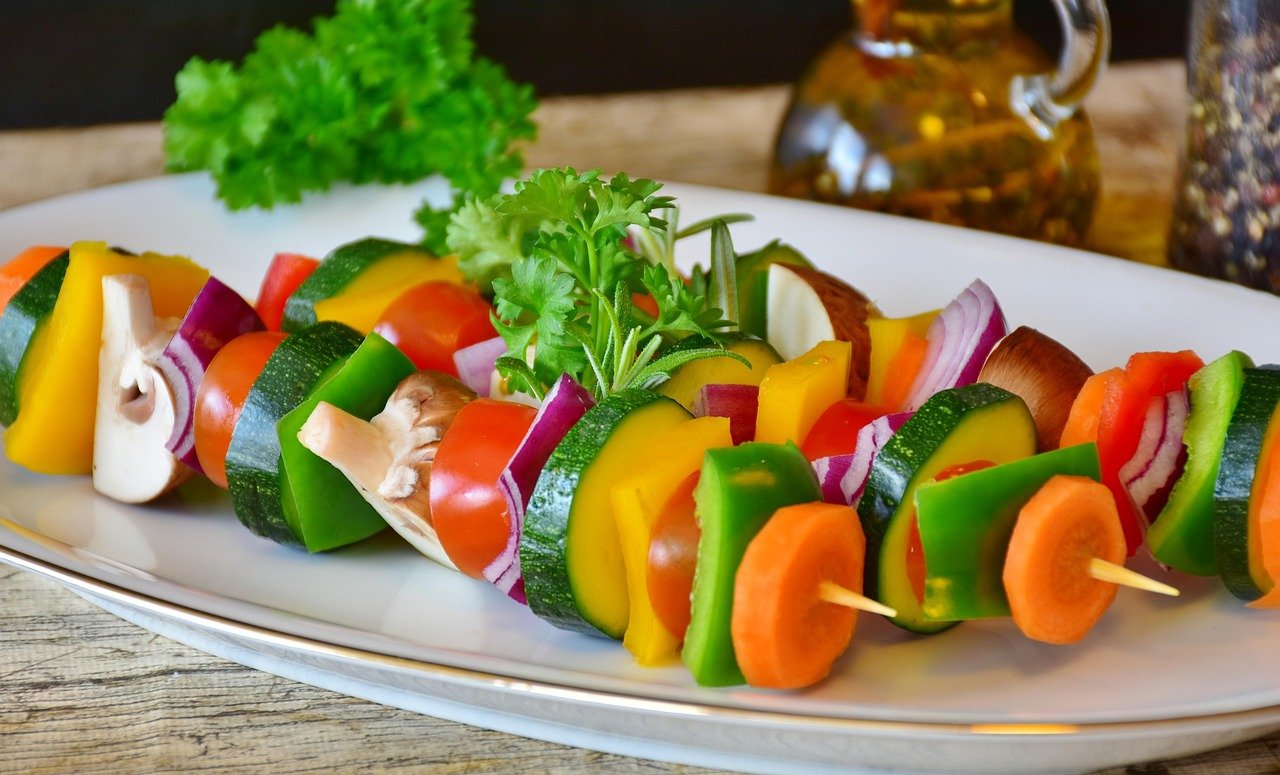
Health professionals say it’s not that a vegetarian diet is unhealthy. The issue is about making sure the diet is complete. Older adults need to be extra careful to include protein-rich plant foods like lentils, tofu, beans, and whole grains. Without them, there’s a risk of nutrient deficiency. Supplements like Vitamin B12 and D can also help fill the gap. And to stay strong, regular exercise, especially strength training, is important.
Some experts believe that a well-planned vegetarian diet can be very healthy, even for older adults. They say that plant-based foods can help reduce the risk of age-related diseases. But they also point out that animal products contain nutrients that are harder to get from plants. That’s why many recommend a balanced approach – combining the best of both plant and animal foods, depending on the individual’s needs.
So, should you go vegetarian after 60? The answer depends on how you do it. If you plan your meals carefully and make sure to get enough nutrients, then yes, it can be a healthy change. But skipping animal products without thinking about replacements can do more harm than good. It’s all about balance and awareness.

 By
By